
50 Important Questions & Answers About AI
Artificial intelligence is no longer science fiction.
I myself wrote my master’s thesis on the use of AI in engineering more than seven years ago. Back then, it was still an academic topic of the future.
Today, it’s an everyday reality.
AI writes texts, creates designs, answers customer inquiries, and has probably co-written this intro (or has it? 👀). While some are still debating whether ChatGPT sounds “too human,” others are already building automated funnels that generate leads at night while they sleep.
The speed at which AI has transformed entire industries since then is brutal-and this is only the beginning.
For agencies, consultants, and service providers, AI is no longer a “nice to have,” but an unfair competitive advantage. It determines whether you continue working through to-do lists or build systems that work for you.
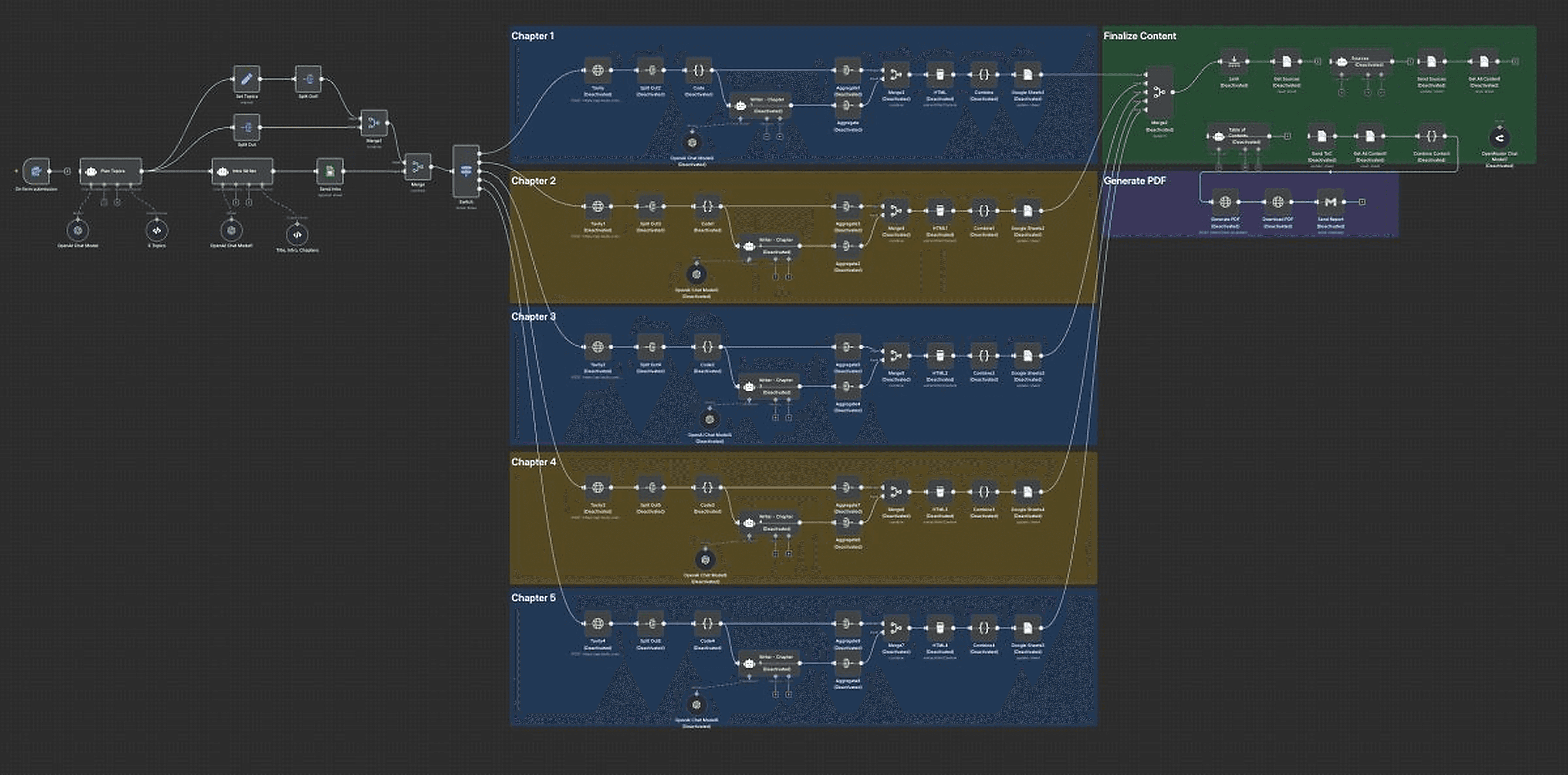
An APEX n8n workflow for the automated creation, structuring, and output of multi-chapter documents, including topic breakdown, chapter generation with GPT, HTML, and Google Sheets export, and final PDF creation.
In this article, you’ll find the 50 most important questions and answers to not only understand AI, but to use it profitably in your business model, without a computer science degree or expensive tool subscriptions.
Table of contents
Fundamentals & understanding
AI in marketing, sales & customer communication
AI in consulting, coaching & services
AI implementation & business strategy
Legal & ethical aspects
1. Fundamentals & understanding
1. What is artificial intelligence (AI)?
AI describes systems that can independently learn, think, and act in order to support or automate human decisions.
2. Why is AI so relevant for agencies and service providers?
Because it automates repetitive tasks, accelerates data analysis, and frees up time for strategic work.
3. What types of AI exist?
Generative AI: Creates text, images, and videos.
Analytical AI: Identifies patterns and makes predictions.
Automating AI: Executes processes autonomously.
4. What is the difference between AI, machine learning, and automation?
Automation repeats rules. Machine learning learns from data. AI combines both-with contextual understanding and decision-making capability.
5. Which industries currently benefit most from AI?
Marketing, sales, recruiting, consulting, IT services, education, and industry-anywhere communication, data, and recurring tasks are involved.
2. AI in marketing, sales & customer communication
6. How does AI help with lead generation?
Through automated research, data enrichment, scoring, and personalized outreach.
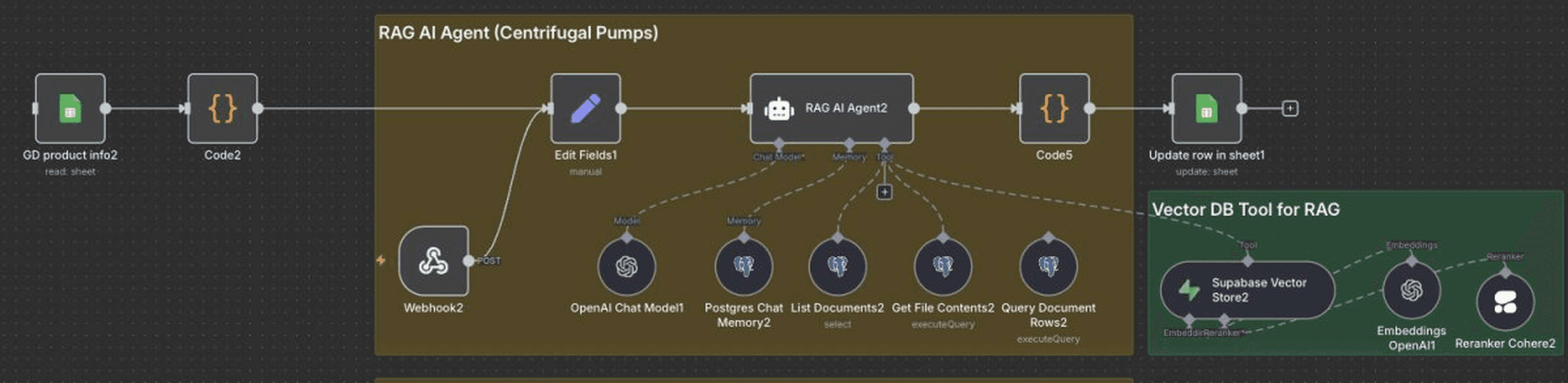
A part of the APEX Quali Engine: This system automatically checks and qualifies leads before they even appear in the CRM. The AI agent analyzes product and context data, evaluates relevance, and enriches missing information, so only high-quality, complete leads end up in the sales system and the CRM.
7. Which AI tools are indispensable for marketing agencies?
Examples: Claude AI, ChatGPT, n8n, Make, Zapier.
8. How can AI support content creation?
It helps with topic discovery, keyword research, text generation, video scripts, and social media planning.
9. Can AI replace creative work?
No, but it massively accelerates research, ideation, and first drafts. The creative fine-tuning remains human.
10. How can AI be used in sales?
Automated lead qualification
Email personalization
Conversation analysis
Pipeline management
11. How can coaches use AI for marketing?
To create landing pages, website copy, social posts, or automated email sequences, tailored to the target audience and tone of voice.
12. What role does AI play in customer support?
24/7 chatbots answer common questions, while complex inquiries are forwarded to human agents.
13. How does AI improve customer retention?
Through intelligent segmentation, predictive analytics, and personalized offers.
14. How does AI work in social media management?
Automated post scheduling, performance analysis, and caption suggestions based on engagement data.
15. How can AI increase campaign ROI?
Through data-driven audience optimization, automated A/B testing, and performance-based budget allocation.
3. AI in consulting, coaching & services

Crawl – Walk – Run describes the step-by-step path to successful AI adoption. Companies start with small tests, then deliberately integrate AI into processes, and ultimately reach fully automated, scalable usage. This creates sustainable progress instead of chaos caused by rushed decisions.
16. How does AI change the business model of consultants and coaches?
Routine work decreases, consulting time becomes more productive, and scaling through digital products becomes possible.
17. What is an AI agent and how can it be used?
An AI agent works autonomously, for example, for lead research, data analysis, or proposal preparation.
18. How does AI help with customer analysis?
It identifies patterns, trends, and purchase probabilities in CRM or campaign data.
19. Can AI create personalized coaching programs?
Yes, for example, through progress analysis, adaptive learning paths, or automated feedback loops.
20. How do consultancies use AI for presentations and reports?
AI generates charts, summaries, and presentations directly from data sources. We automate many of our clients’ reports with Gamma.
21. How can AI automate service processes?
Examples include appointment scheduling, invoicing, customer communication, or reporting.
22. What is the difference between AI assistance and full automation?
Assistance systems support employees, while automations replace individual process steps.
23. What role does AI play in pricing services?
Dynamic pricing can take demand, utilization, or market trends into account.
24. How can AI help with upselling?
Through recommendation systems and personalized cross-selling suggestions based on customer data.
25. Which tools are most suitable for consultants?
ChatGPT, Synthesia, Airtable, Zapier, Make, Claude, ElevenLabs.
4. AI implementation & business strategy
26. How do agencies or service providers get started with AI?
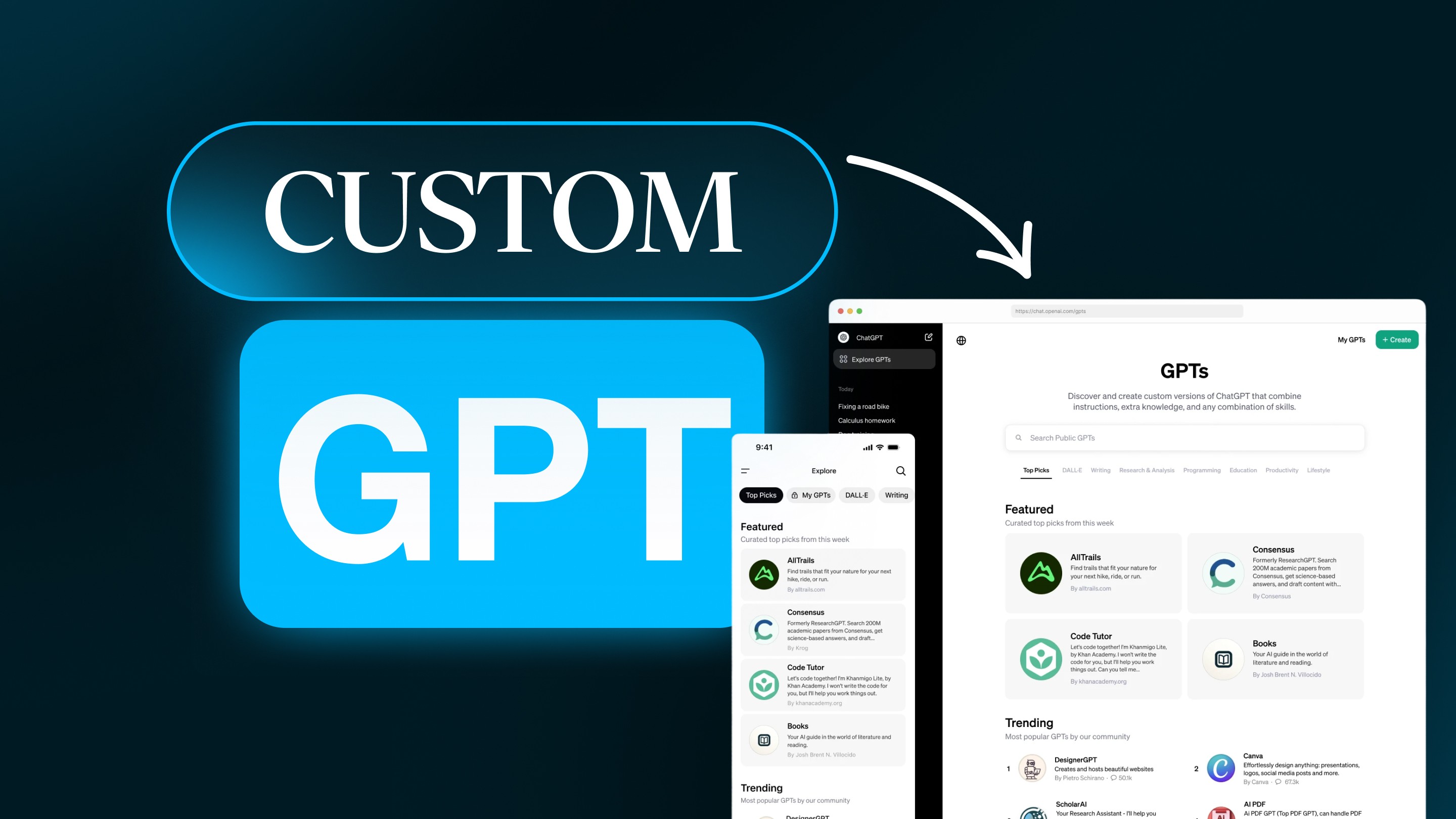
Start small: internal automations, content helpers, or Custom GPTs.
27. What prerequisites does an AI project require?
Clear goals, a data foundation, responsible owners, and a pilot phase.
28. How long does a successful implementation take?
From a few days (for automations) to several months (for complex systems).
29. Which departments benefit first?
Marketing, sales, back office, and customer success.
30. How do I measure the success of an AI project?
Time savings, revenue growth, lower error rates, customer satisfaction.
31. How do I choose the right AI tool?
Criteria: integration capability, data protection, feature set, support.
32. How can AI help agencies become more profitable?
Through lower personnel costs, better scalability, and higher output quality.
33. How can I integrate AI into my existing CRM?
Via so-called API interfaces or automation platforms like n8n, Zapier, or Make. Common CRM systems such as HubSpot, UmsatzIO, Pipedrive, etc. are supported.
34. How do I prepare my team for AI?
Through training, internal workshops, and clearly defined use cases.
35. What mistakes do companies make when introducing AI?
No clear goal, poor data, over-automation, lack of communication.
36. How do I find the right AI partner or consultant?
Look for practical projects, industry understanding, and integration expertise. Example from us: apex-consulting.ai/resources/case-studies
37. Is AI worthwhile for small service providers or solo entrepreneurs?
Yes, many tools are inexpensive or free and deliver immediate value.
38. How does AI affect competitiveness?
Companies that use AI gain speed, precision, and market share.
39. How can AI help make better business decisions?
Data is visualized clearly, trends are predicted, and risks are identified early.
40. How do you stay up to date with AI developments?
Through agencies like APEX that provide consulting and execution, specialized newsletters, communities, and practical reports from your own industry.
5. Legal & ethical aspects
41. What data protection requirements apply when using AI?
In the EU: GDPR-compliant data collection, storage, and processing.
42. How should I handle sensitive customer data?
Do not upload personal data into AI tools without consent.
43. What is “AI bias” and why is it relevant?
If training data is one-sided, AI can make biased decisions.
44. How do I protect intellectual property in AI-generated content?
Observe copyright law and check clear usage terms.
45. Are there liability issues with automated decisions?
Yes, especially in the case of incorrect decisions, e.g., due to faulty data.
46. What does “Responsible AI” mean?
AI use that is transparent, explainable, and ethically sound.
47. What is the EU’s position on AI regulation?
With the EU AI Act, AI systems are classified and regulated according to risk level.
48. How can I ensure my AI solutions operate ethically?
Through regular audits, documented decision processes, and disclosure of data sources.
49. What impact does AI have on jobs?
Less routine work, more focus on strategy, creativity, and customer relationships.
50. What does the future of AI in agencies & B2B look like?
Agencies will become “AI-driven service companies” where human expertise is multiplied by intelligent systems.
AI is like social media in 2010-everyone talks about it, but few really use it.
Only this time, it’s not about likes, it’s about your revenue.
Those who experiment now will have self-optimizing processes in a year. Those who wait will then google “Why is our agency slower than the competition?”
Your next logical step to implement AI
You book a slot via our calendar link: https://calendly.com/apex-consulting-call/15min
We hold a personal strategy session with one of our automation experts.
You leave the call with a clear assessment and concrete recommendations.
Book your free AI consultation now and secure a clear roadmap to reduce time, costs, and manual work-with a system.
About APEX Consulting
APEX Consulting is an AI automation and growth consulting firm supporting B2B organizations with intelligent workflows, AI agents, CRM automation, and scalable operating systems. The firm focuses on practical, implementation-driven solutions that reduce manual effort and enable sustainable growth.
More information: https://apex-consulting.ai/