
Der richtige Projektmanagement-Tool-Stack für Agenturen und KMUs
Die meisten Probleme in Agenturen und KMUs entstehen nicht, weil die Leute schlecht arbeiten, sondern weil sie in schlechten Systemen arbeiten.
In den letzten Jahren habe ich mit vielen Unternehmen zusammengearbeitet. Agenturen mit fünf Leuten, Beratungsfirmen mit zwanzig, KMUs mit hundert Mitarbeitern. Verschiedene Branchen, unterschiedliche Geschäftsmodelle, aber fast immer derselbe Ausgangspunkt.
Am Anfang läuft alles "irgendwie". Aufgaben werden im Kopf behalten, To-Dos werden schnell notiert und Absprachen mal eben fix in Slack oder per Zuruf über den Tisch geklärt. Das fühlt sich herrlich agil an. Flexibel. Unternehmerisch halt!
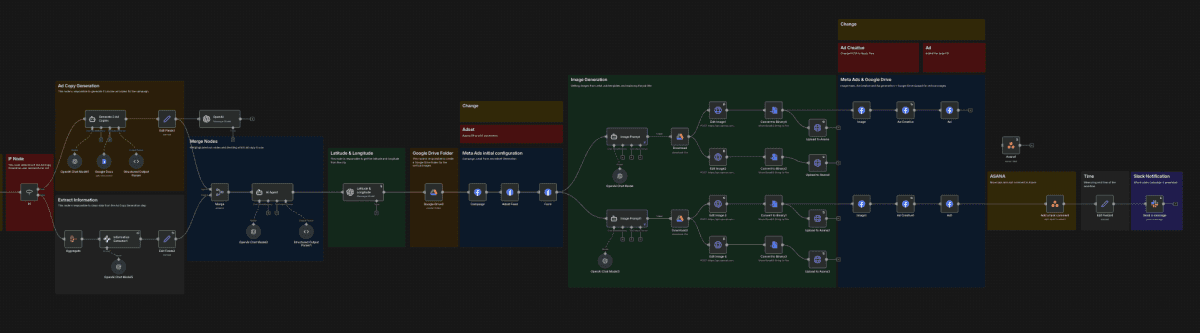
Der absolute Traum jeder Agentur: Der Workflow für Media Buyer neu gedacht und systematisiert. Was früher 1,5 Stunden pro Anzeige gedauert hat, läuft jetzt vollautomatisch in nur 7 Minuten – und das ohne jeden Qualitätsverlust!
Und das Ganze klappt auch super. Eine Zeit lang jedenfalls.
Doch dann wächst das Team. Es kommen mehr Kunden gleichzeitig rein, Projekte überschneiden sich und die Fristen werden immer knapper. Plötzlich reicht ein schnelles "Das klären wir fix" einfach nicht mehr aus. Status-Updates rauben wertvolle Zeit, Rückfragen häufen sich und die Verantwortung verschwimmt. Und plötzlich merkt man: Man arbeitet gar nicht mehr an den Ergebnissen, sondern nur noch an der Organisation der Arbeit selbst!
Spätestens an diesem Punkt beginnt die Suche nach einem richtigen Projektmanagement-Tool.
Und genau hier sehe ich Jahr für Jahr dieselben Fehler. Tools werden ausgewählt, weil sie gerade total angesagt sind (wie zum Beispiel Trello). Weil jemand auf LinkedIn total davon schwärmt. Oder weil sich ein neuer Mitarbeiter zufällig gut "damit auskennt". Aber ganz selten, weil sie wirklich zum Geschäftsmodell, der Teamstruktur oder dem echten Arbeitsalltag passen.
Ich habe schon Firmen erlebt, die monatelang super produktiv waren und nach der schlecht geplanten Einführung eines neuen Tools massiv an Tempo verloren haben. Nicht, weil das Tool an sich schlecht war – sondern weil es einfach die falschen Verhaltensweisen gefördert hat.
Herumtüfteln statt standardisieren. Individualismus statt Übergabebereitschaft. Kreativität statt klarer Struktur.
In manchen Fällen war der Schaden so groß, dass ganze Projekt- und Kundendaten von Grund auf neu aufgebaut werden mussten. Systeme, die am Ende niemand mehr durchschaut hat. Prozesse, die nur noch auf dem Papier existierten. Und eine riesige Abhängigkeit von einzelnen Personen, die das Tool aufgebaut hatten und nach ihrem Abschied eine riesige Lücke hinterließen.
Projektmanagement-Tools sind keine neutralen Werkzeuge. Sie prägen die Art und Weise, wie Teams denken, kommunizieren und Verantwortung übernehmen. Sie entscheiden darüber, ob die Arbeit leicht von der Hand geht oder ständig im Chaos endet – ob Klarheit herrscht oder endlose Absprache-Meetings anstehen.
Deshalb ist dieser Artikel auch kein klassischer Tool-Vergleich. Keine unübersichtlichen Tabellen, kein Marketing-Gelaber und keine Affiliate-Empfehlungen. Sondern eine ganz praktische Einschätzung direkt aus der echten Praxis!
Was funktioniert für Agenturen und KMUs wirklich? Welche Tools bringen echte Ordnung statt nur Beschäftigungstherapie? Und warum werden einige der bekanntesten Tools hier ganz bewusst nicht empfohlen?
Falls Sie also gerade das Gefühl haben, dass Ihr Projektmanagement mehr Energie raubt als es Ihnen bringt: Lesen Sie unbedingt weiter!
Nicht, um das absolut "beste" Tool zu finden, sondern das genau richtige für Ihren Alltag.
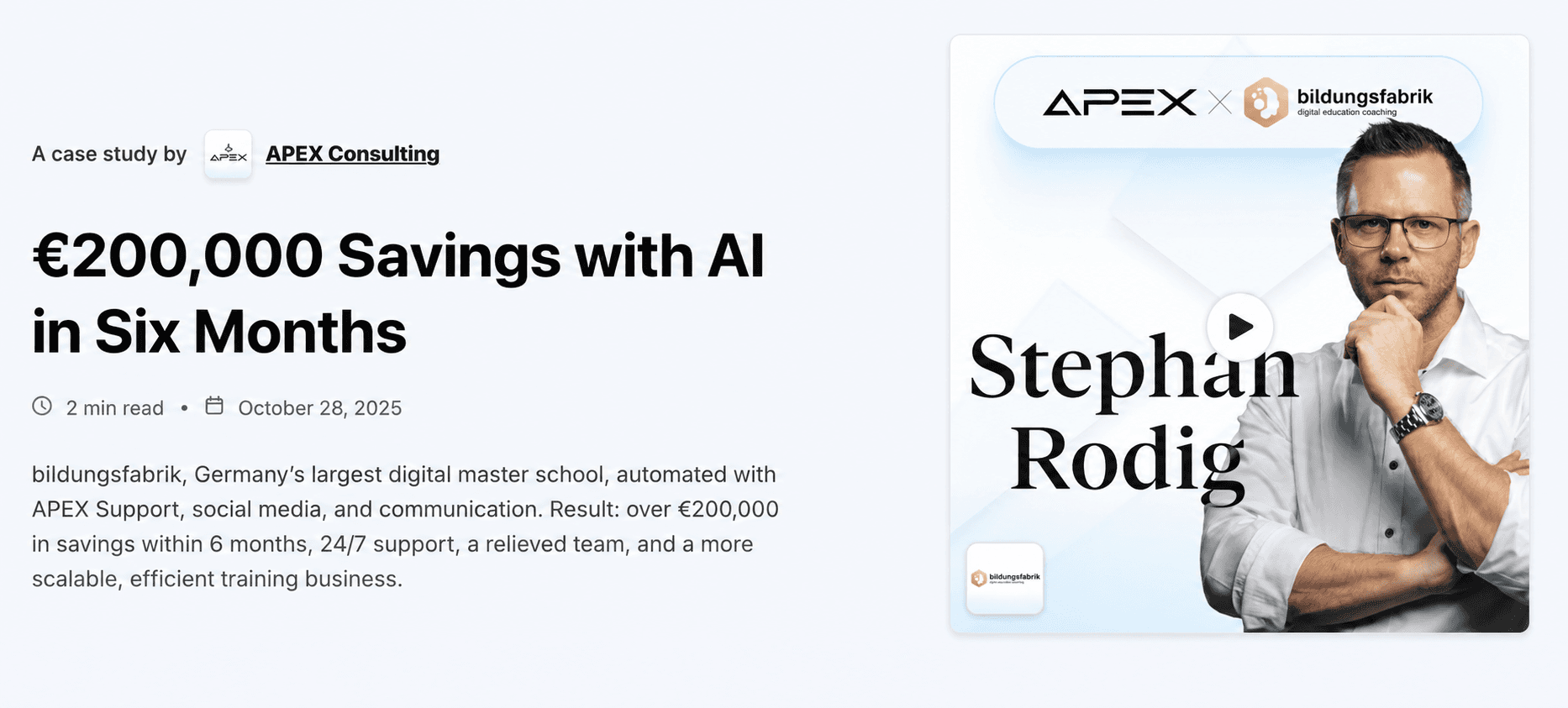
200.000 € Ersparnis in nur sechs Monaten durch clevere KI-Automatisierung! Diese Fallstudie zeigt, wie Unternehmen künstliche Intelligenz nutzen, um Prozesse radikal effizienter zu gestalten und sich so einen klaren Vorteil im Wettbewerb zu sichern.
Warum wir bestimmte Tools hier ganz bewusst nicht empfehlen
Bevor wir richtig loslegen, ist mir ein Punkt besonders wichtig.
Die Tools Notion und Monday werden hier nicht empfohlen und tauchen deshalb auch gar nicht erst auf.
Das ist keine reine Provokation, sondern das Ergebnis echter Erfahrungswerte.
Die KI-Tüftler haben beide Tools schon dutzende Male bei Agenturen gerettet, als die Hütte eigentlich schon gebrannt hat. Typische Anzeichen dafür sind:
Ein einziger Mitarbeiter hat das System gebaut – und kein anderer versteht es
Keine Standards, keine festen Vorgaben, keine Verlässlichkeit
Projekte werden irgendwie "nach Gefühl" eingetragen
Das Reporting ist reine Glückssache
Neue Teammitglieder brauchen Wochen, um sich überhaupt einzufinden
Diese Tools laden leider total zum ewigen Basteln ein. Für Einzelpersonen mag das funktionieren. Für wachsende Teams und Organisationen ist es aber brandgefährlich – besonders in Agenturen und KMUs, wo die Prozesse robust, leicht übertragbar und einfach zu pflegen sein müssen.
Deshalb konzentrieren wir uns hier auf Tools, die eine klare Struktur vorgeben oder zumindest fördern, anstatt kreatives Chaos auch noch zu belohnen!
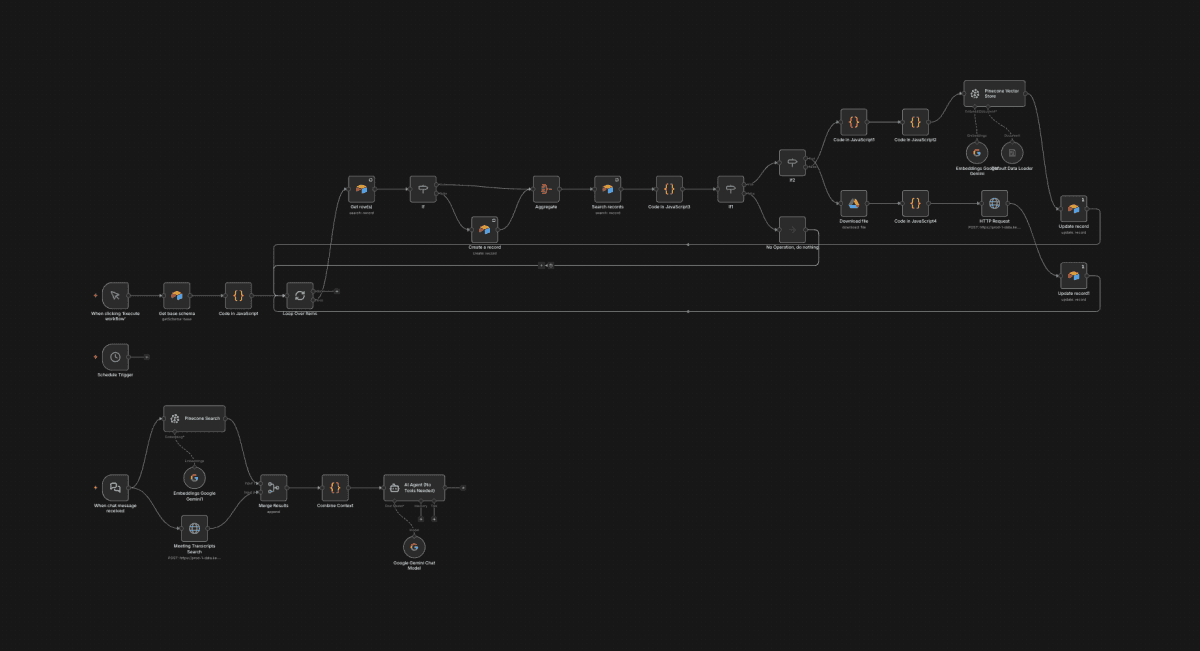
Von Airtable zu RAG: Chatten Sie direkt mit Ihrem eigenen Projektmanagement-System und generieren Sie in Sekundenschnelle hochwertige Texte, Konzepte und Assets – vollautomatisch, kontextbasiert und viel schneller als von Hand!
Die einfachen Tools: Wenn Klarheit wichtiger ist als hunderte Funktionen
Nicht jedes Unternehmen braucht sofort ein riesiges, komplexes System. Ganz im Gegenteil! Viele Teams arbeiten deutlich produktiver, wenn sie sich ganz bewusst für die Einfachheit entscheiden.
Todoist
Todoist ist eines der ganz wenigen Tools, bei denen ich so gut wie nie Chaos erlebt habe. Warum? Weil es gar nicht erst viel Spielerei erlaubt! Aufgaben eintragen, Fristen setzen, Prioritäten festlegen, fertig!
Ich empfehle Todoist super gerne für:
Solopreneure
Führungskräfte, die ihre persönlichen Aufgaben organisieren wollen
Kleine Teams ohne komplexe Projektabhängigkeiten
Es zwingt Sie einfach dazu, ganz klar zu denken. Keine verschachtelten Systeme, keine Datenmodelle, kein Schnickschnack.
Sobald allerdings mehrere Personen an komplexen Projekten zusammenarbeiten oder Abhängigkeiten dargestellt werden müssen, stößt Todoist an seine Grenzen.
Trello
Trello ist herrlich visuell, super einfach und sofort zu verstehen. Besonders Teams, die davor mit echten Whiteboards gearbeitet haben, fühlen sich hier direkt pudelwohl.
In der Praxis habe ich Trello oft erfolgreich im Einsatz gesehen bei:
Content- und Redaktionsteams
Kleinen Agenturen in der Anfangsphase
Der Planung von internen Kampagnen oder Events
Die Gefahr lauert hier bei den sogenannten Power-Ups. Sobald jedes Board völlig anders funktioniert, geht die Einheitlichkeit verloren. Trello ist dann am besten, wenn man es schön einfach hält.
Asana
Asana ist seit Jahren unser treuer Begleiter. Ganz ohne großen Hype oder extreme Experimente, dafür aber absolut verlässlich. Wir nutzen Asana selbst täglich in unserer Projektarbeit – genau aus diesem Grund.
Asana drängt einen nicht zu kreativen Spielereien, sondern führt direkt zu klarer Struktur:
Aufgaben
Verantwortliche Personen
Fristen
Projekte
Für viele Agenturen ist Asana der perfekte Mittelweg aus Struktur und Flexibilität. Schwächen zeigt es eigentlich nur dann, wenn es um sehr datenlastige Setups oder tiefe Reportings geht.
Strukturierte Daten statt ewiger Tool-Bastelei
Sobald Ihr Unternehmen datengetrieben arbeitet – zum Beispiel beim Verwalten von Anfragen (Leads), bei Content-Systemen, der Angebotserstellung oder Kampagnen – reichen klassische Aufgaben-Tools oft nicht mehr aus.
An dieser Stelle trennt sich die Spreu vom Weizen!
Airtable
Airtable ist eines der wichtigsten Tools, die ich Agenturen und KMUs ans Herz lege. Nicht als Spielerei, sondern als starkes Fundament für Ihre Struktur.
Der große Unterschied zu reinen Bastel-Tools:
Feste Feldtypen für klare Eingaben
Eindeutige Datenmodelle
Kontrollierte Beziehungen zwischen den Daten
Übersichtliche Ansichten für jede Rolle im Team
Wir haben mit Airtable schon komplette interne Betriebssysteme aufgebaut: Von CRM und Angebots-Pipelines über Workflows für die Content-Erstellung bis hin zu übersichtlichen Reporting-Dashboards.
Airtable ist besonders dann genial, wenn Prozesse wiederholbar und klar definiert sind. Es zwingt das Team dazu, strukturiert zu denken, und verhindert Wildwuchs bei der täglichen Nutzung.
Glide
Glide ist zwar kein klassisches Projektmanagement-Tool, aber ein unglaublich starker Partner an Ihrer Seite.
In der Praxis nutze ich Glide sehr oft, um schicke und einfache Oberflächen für Daten aus Airtable oder Google Sheets zu bauen:
Kundenportale
Interne Status-Apps
Einfache Oberflächen für Ihr CRM
Mobile Projektübersichten für unterwegs
Der riesige Vorteil: Mitarbeiter oder Kunden sehen wirklich nur genau das, was sie sehen sollen. Keine Rohdaten, kein Chaos und kein versehentliches Löschen von wichtigen Infos.
Besonders für KMUs ist Glide ein echtes Power-Tool, um professionelles Auftreten nach außen mit maximaler Effizienz im Inneren zu verbinden!
Wenn es mal so richtig komplex wird
Manche Teams brauchen maximale Tiefe bei ihren Projekten. Aber das hat natürlich auch seinen Preis.
ClickUp
ClickUp ist das wohl mächtigste Tool auf dieser Liste. Und gleichzeitig das gefährlichste, wenn man es falsch einsetzt.
Ich habe fantastische ClickUp-Setups gesehen, die absolut beeindruckend waren. Aber leider auch solche, die ganze Teams komplett lahmgelegt haben.
ClickUp funktioniert nur dann richtig gut, wenn:
Die Prozesse im Vorfeld glasklar definiert sind
Sich ein fester Verantwortlicher um die Pflege des Tools kümmert
Feste Regeln für die Nutzung konsequent eingehalten werden
Für Tech-Teams und sehr vielschichtige Projekte kann ClickUp ein echter Segen sein. Für Teams ohne klare, eingespielte Strukturen wird es jedoch schnell zu viel des Guten.
Basecamp
Basecamp ist ganz bewusst unkreativ und starr. Und genau das macht es so unglaublich genial!
Es gibt eine feste Logik für Projekte, vorgegebene Kommunikationskanäle und kaum Platz für eigene Spielereien. Für projektbasierte Agenturen kann das eine enorme Erleichterung im Alltag sein.
Besonders cool für wachsende Teams: Das Preismodell ist unabhängig von der genauen Anzahl der Nutzer!
So finden Sie ganz einfach das richtige Tool
Vergessen Sie erst einmal die langen Tabellen mit Funktionen. Stellen Sie sich lieber diese Fragen:
Wie arbeitet mein Team heute eigentlich wirklich zusammen?
Wo genau hakt es im Moment am meisten?
Brauchen wir primär einfache Aufgaben, strukturierte Daten oder beides?
Muss das System mitwachsen können, leicht übertragbar und nachvollziehbar sein?
Als kleine Orientierungshilfe: Geht es um reine Aufgaben? Dann schauen Sie sich Todoist, Trello oder Asana an. Liegt der Fokus auf Daten und festen Prozessen? Dann sind Airtable und Glide eine Traumkombination. Brauchen Sie maximale Komplexität? Dann werfen Sie einen Blick auf ClickUp oder Basecamp.
Probieren Sie es am besten immer direkt an einem echten Projekt aus. Zwei Wochen reichen meistens völlig aus, um zu spüren, ob ein Tool Ruhe reinbringt oder nur neue Fragen aufwirft.
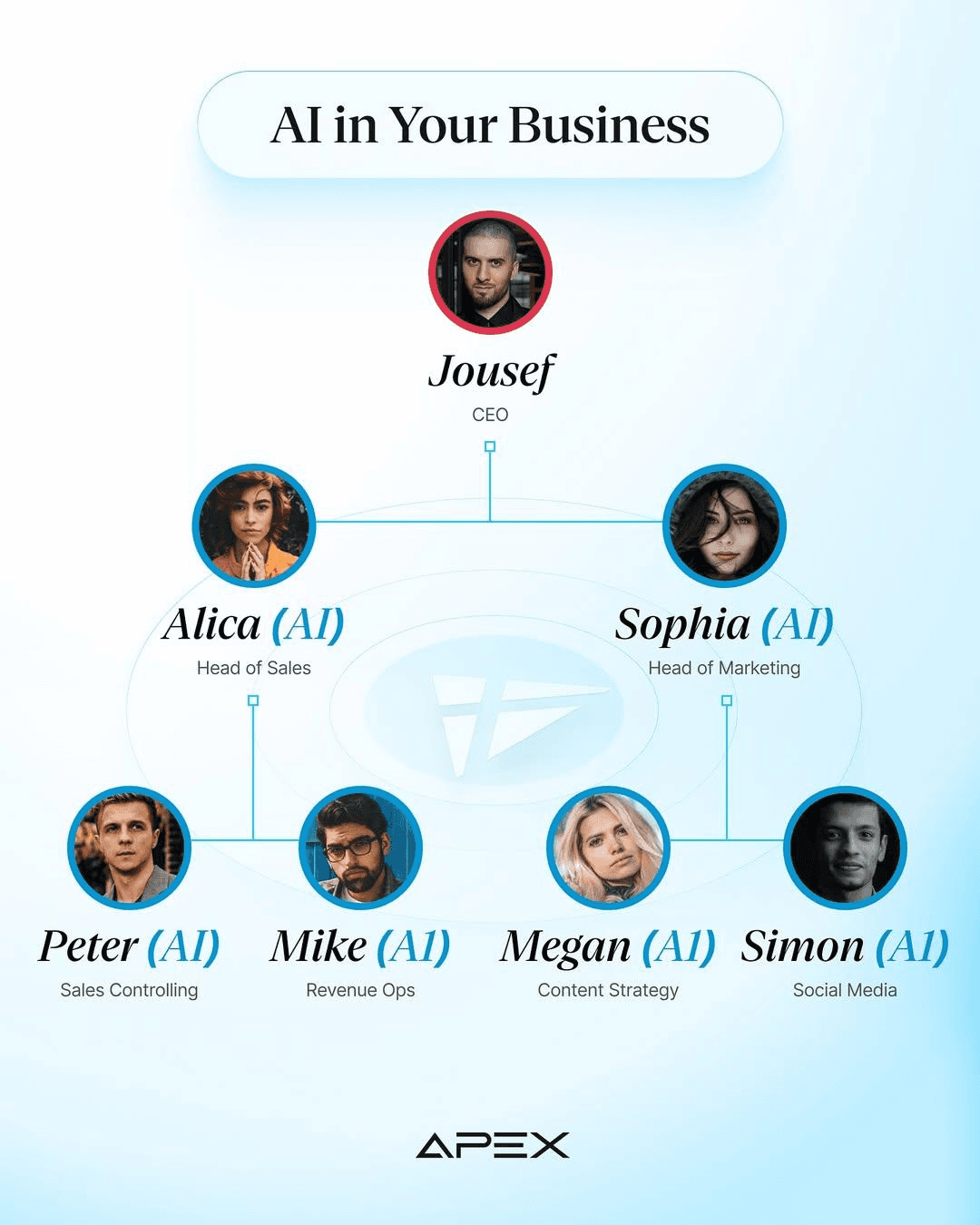
Meine Vision für Ihr Unternehmen in den nächsten 24 Monaten: Ein virtueller KI-Manager anstelle von aufgeblähten Organigrammen, manueller Arbeit und ständigen Abstimmungen. Ein perfekt aufeinander abgestimmtes Team aus KI-Agenten erledigt, lernt und optimiert Aufgaben in Marketing, Vertrieb und Führung – schneller, skalierbarer und klarer, als es jedes klassische Strukturmodell könnte!
Ihr nächster Schritt: Systeme, die Sie entlasten, statt Sie nur zu beschäftigen
Wenn Sie beim Lesen gemerkt haben, dass das Problem in Ihrem Unternehmen gar nicht am Fleiß Ihres Teams liegt, sondern an fehlenden oder unpassenden Systemen: Keine Sorge, Sie sind damit nicht allein! Genau an diesem Punkt setzen wir bei unserer Arbeit mit Unternehmen an.
Wir helfen Agenturen und KMUs dabei, den perfekten Tool-Stack auszuwählen, bestehende Tools ordentlich zu strukturieren und daraus robuste Prozesse, Automatisierungen und schlaue KI-gestützte Systeme zu entwickeln.
Wenn Sie endlich Klarheit darüber haben möchten, welche Tools wirklich zu Ihrem Geschäftsmodell passen, welche Abläufe sich automatisieren lassen und wo KI Ihnen spürbar Arbeit abnehmen kann, dann lassen Sie uns einfach mal ganz ungezwungen quatschen. In einem entspannten Gespräch analysieren wir Ihre aktuelle Arbeitsweise, spüren Zeitfresser auf und zeigen Ihnen, wie ein System aussehen kann, das wieder echte Ruhe in Ihren Arbeitsalltag bringt.
Nicht noch mehr Tools, sondern einfach direkt die richtigen!
Über APEX Consulting
APEX Consulting ist ein Beratungsunternehmen für KI-Automatisierung und gesundes Wachstum. Wir unterstützen B2B-Unternehmen mit intelligenten Workflows, KI-Agenten, CRM-Automatisierung und skalierbaren Betriebssystemen. Dabei liegt der Fokus ganz klar auf praxisnahen, direkt umsetzbaren Lösungen, die manuelle Arbeit verringern und nachhaltiges Wachstum ermöglichen.
Mehr Infos finden Sie hier: https://apex-consulting.ai/