
Gewinnmargen lassen sich mit KI-gestützter Automatisierung nachhaltig steigern!
Wie Unternehmen ihre Mitarbeiter entlasten, wertvolle Zeit zurückgewinnen und ganz entspannt wachsen
Künstliche Intelligenz ist mittlerweile in vielen Unternehmen angekommen. Doch der erhoffte Wow-Effekt bleibt oft aus. Da werden Tools getestet, kluge Assistenten gebaut und Automatisierungen gestartet – und doch ändert sich im Arbeitsalltag kaum etwas. Führungskräfte stecken weiterhin tief im Alltagsgeschäft fest, Mitarbeiter arbeiten am Limit und die Prozesse wachsen einfach schneller, als das Team hinterherkommen kann.
Das liegt aber fast nie an der Technik selbst, sondern schlicht an der Auswahl der Aufgaben!
Den größten Hebel hat KI nämlich dort, wo sie uns Aufgaben abnimmt, die immer wieder Zeit fressen, strategisch nicht so wichtig sind und sich nur schwer mit mehr Personal lösen lassen. Genau das sind die echten Volltreffer für clevere KI-Anwendungen! Sie nehmen uns nicht nur Arbeit ab, sondern verbessern die Struktur des gesamten Unternehmens für immer.
In diesem Artikel schauen wir uns die KI-Assistenten an, die sich in der Praxis besonders bewährt haben – weil sie ganze Aufgabenbereiche stabilisieren, ohne dass man direkt neue Mitarbeiter einstellen muss.
Ein kleines Rechenbeispiel: Um 150.000 € Gewinn zu machen, braucht man oft 1 Million € Umsatz. Wenn man aber stattdessen ein einziges Vollzeitgehalt von rund 50.000 € einspart, hat das denselben tollen Effekt auf den Gewinn – ganz ohne dass man auch nur einen einzigen neuen Kunden gewinnen muss! Das ist so gut wie ein Umsatzwachstum von 30 Prozent. Und das Beste daran: Solche Einsparungen wirken dauerhaft, ganz anders als Werbekampagnen, die man immer wieder neu bezahlen muss. Wer Prozesse digitalisiert, sorgt Monat für Monat für echten, bleibenden Wert im Unternehmen.
Kategorie 1: Den Kommunikations-Stress senken und immer erreichbar sein
Ein riesiger Teil der täglichen Arbeitszeit geht für Kommunikation drauf: Telefonate, Rückfragen, kurze Nachrichten und ständige Unterbrechungen. Das betrifft Chefs, Projektleiter und den Support besonders hart. Jede Unterbrechung kostet nicht nur Zeit, sondern raubt uns auch die Konzentration und die Energie für wichtige Entscheidungen.
Ein intelligenter KI-WhatsApp-Assistent wirkt hier wie ein wunderbarer Filter zwischen der Außenwelt und dem Team. Er nimmt alle Support-Anfragen entgegen, kann Sprachnachrichten und Videos verstehen, stellt clevere Gegenfragen, sortiert die Anfragen vor und gibt sie an das richtige Teammitglied weiter.
Der große Unterschied zu alten Systemen: Die Kunden fühlen sich nicht einfach abgespeist, sondern richtig ernst genommen, weil der Assistent super nette Antworten auf Basis von echten Unternehmensdaten gibt!
Kategorie 2: Den Support spielend leicht vergrößern durch automatische Anruf-Protokolle
Im Kundenservice brennt es oft – nicht nur, weil so viele Anfragen reinkommen, sondern vor allem wegen der Arbeit danach: Telefonate mitschreiben, Protokolle erstellen, Tickets anlegen und Aufgaben an Kollegen verteilen. Das kostet viel Zeit, es passieren leicht Fehler und es hält eure besten Mitarbeiter von der eigentlichen Arbeit am Kunden ab.
Ein KI-Anruf-Assistent löst genau dieses Problem! Er nimmt eingehende Anrufe vollautomatisch entgegen, schreibt alles fehlerfrei auf, erkennt sofort die wichtigsten Infos und fasst das Gespräch übersichtlich zusammen.
Aus diesen Infos erstellt der Assistent direkt fertige Aufgaben, sortiert sie in die richtige Schublade und trägt sie direkt in eure Systeme ein – egal ob CRM, Ticket-System oder Projekt-Tool.
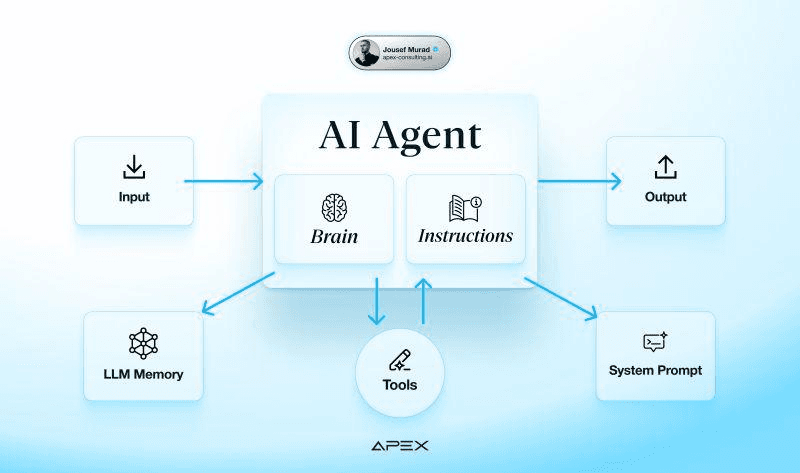
Ein KI-Assistent ist wie ein digitaler Kollege: Er arbeitet selbstständig, nutzt schlauerweise vorhandenes Wissen und Werkzeuge und liefert immer verlässliche Ergebnisse. Der Hauptvorteil: Alles läuft stabil im Hintergrund, und das Unternehmen spart jede Menge Zeit, Kosten und Nerven!
Der Assistent versteht nicht nur das gesprochene Wort, sondern weiß auch sofort, was zu tun ist. Offene Punkte, Rückfragen oder Versprechungen an den Kunden werden sicher erkannt und aufgeschrieben. Das Team muss Telefonate also gar nicht mehr mühsam von Hand nachbereiten. Kein Wissen geht verloren, Missverständnisse schrumpfen und alles geht viel schneller voran!
Für das ganze Team ist das eine spürbare Erleichterung. Die Mitarbeiter können sich wieder darauf konzentrieren, Kunden wirklich glücklich zu machen, statt Berichte zu tippen. Die Chefs behalten den Überblick, ohne jedes Detail selbst prüfen zu müssen. Und auch die Kunden freuen sich über den schnellen, professionellen Service!
So wächst der Support nicht durch mehr Personal, sondern weil die vorhandene Zeit einfach viel besser genutzt wird. Das bringt Klarheit, sorgt für weniger Fehler und lässt das Team auch bei viel Trubel entspannt durchatmen.
Kategorie 3: Tolle Unterstützung für den Vertrieb, die den Erfolg sichert
Im Verkauf geht oft viel Zeit für Dinge drauf, die gar nichts mit dem eigentlichen Verkaufen zu tun haben: Nachfassen, Kontakte sortieren und Daten eintragen. Das ist zwar wichtig, hält die销售-Profis aber von ihrer Lieblingsarbeit ab.
KI-Assistenten sind hier die perfekten Helfer. Ein kleiner Nachfass-Assistent bleibt am Ball und sorgt dafür, dass kein Angebot in Vergessenheit gerät und keine Frage unbeantwortet bleibt. Die menschlichen Verkäufer schalten sich erst dann ein, wenn der Kunde wirklich kaufbereit ist. Das macht nicht nur Spaß, sondern sorgt auch für super gelaunte Mitarbeiter, die sich auf die wirklich wichtigen Gespräche konzentrieren können!
Ein weiterer toller Trick ist die Reaktivierung alter Kontakte. Viele Unternehmen suchen ständig nach neuen Adressen, während in der Schublade noch ganz viele Schätze ungenutzt herumliegen.
Unser KI-Assistent findet diese alten B2B-Kontakte im System, analysiert sie und weckt sie mit netten Nachrichten wieder auf. Das entlastet den Vertrieb enorm und bringt ganz nebenbei neuen Umsatz in die Kasse!
Kategorie 4: Die Kundenbegrüßung (Onboarding) komplett automatisieren
Wenn ein neuer Kunde unterschrieben hat, wird es in vielen Betrieben hektisch und fehleranfällig: das sogenannte Onboarding beginnt.
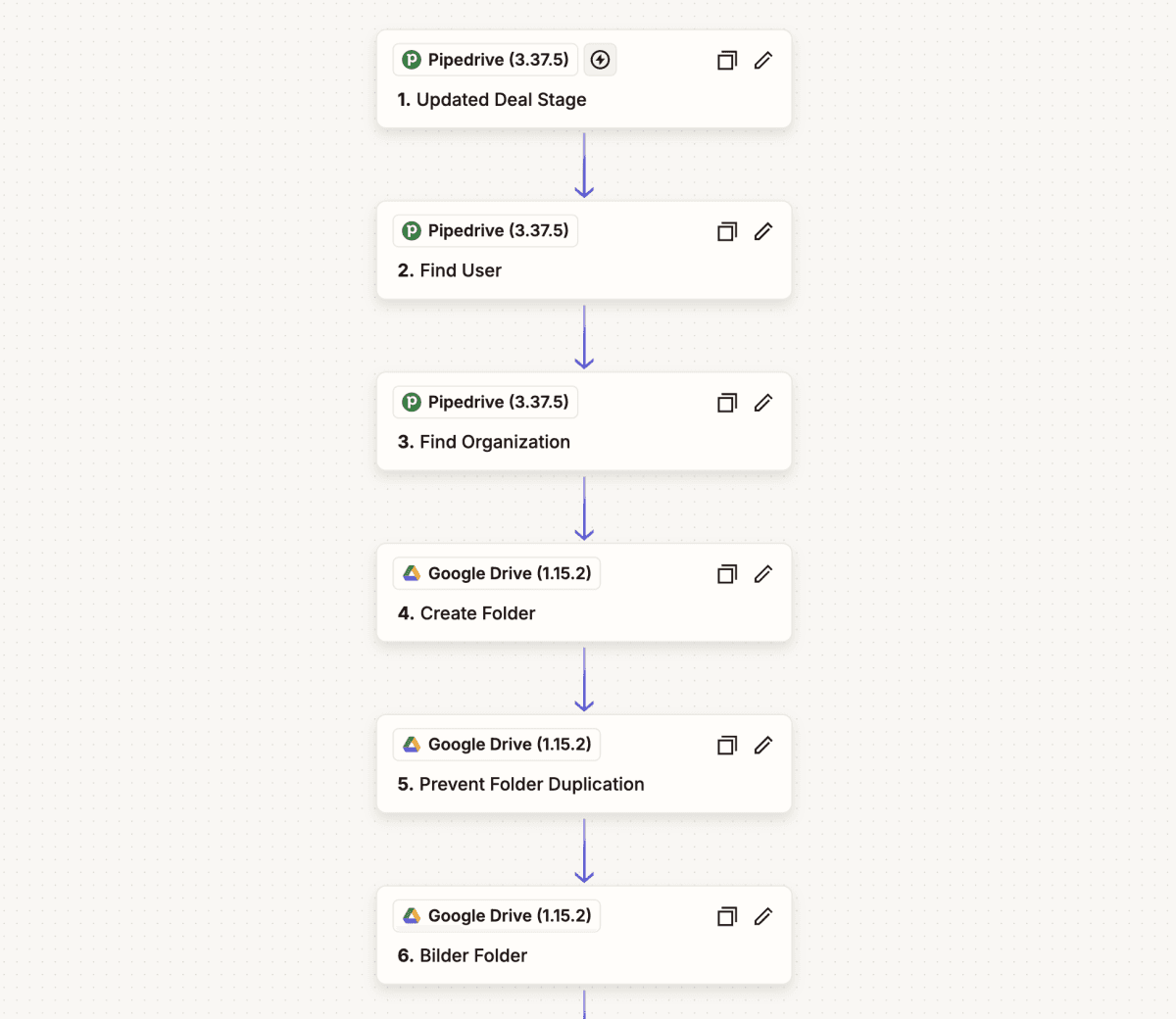
Dieser praktische Zapier-Ablauf erstellt automatisch strukturierte Google Drive-Ordner für neue Kunden, sobald ein Deal in Pipedrive eine bestimmte Stufe erreicht. So wird nichts doppelt angelegt!
Da werden Aufgaben per Hand verteilt, Infos per E-Mail hin und her geschickt, Ordner mühsam neu angelegt und oft weiß keiner genau, wer was macht. Obwohl dieser erste Eindruck für den Kunden so wichtig ist, läuft es oft unorganisiert ab.
Ein KI-Onboarding-Assistent macht damit Schluss und erledigt den Einstieg wie von Zauberhand ganz von allein! Direkt nach der Unterschrift startet der Assistent alle Schritte im Hintergrund. Er erstellt die passenden Ordner in Google Drive, sortiert alle Dokumente ordentlich ein und schickt dem Kunden eine super freundliche Begrüßungs-E-Mail mit allen wichtigen Infos, Ansprechpartnern und den nächsten Schritten.
Gleichzeitig gibt der Assistent dem eigenen Team im Büro Bescheid.
Über Slack oder euren Lieblings-Messenger bekommt das Team eine übersichtliche Nachricht, dass der neue Kunde da ist. Jeder weiß sofort, was zu tun ist, und alle Aufgaben landen direkt in euren Projekt-Tools, damit nichts vergessen wird.
Das Geniale daran ist die Zuverlässigkeit: Jeder Kunde bekommt denselben fantastischen Service – ganz egal, wie viel im Büro gerade los ist. Fehler und Verzögerungen gehören der Vergangenheit an, und die Mitarbeiter können sich voll und ganz auf die eigentliche Arbeit mit dem Kunden konzentrieren.
Für den Kunden fühlt sich das einfach großartig an: Alles läuft reibungslos, die Infos sind pünktlich da und man merkt sofort, dass man in professionellen Händen ist. So legt man den Grundstein für eine lange und glückliche Zusammenarbeit!
Kategorie 5: Das Unternehmen krisenfest machen und Gewinne steigern
Der größte Vorteil von cleveren KI-Assistenten ist, dass das Unternehmen wachsen kann, ohne dass man sofort bergeweise neue Mitarbeiter einstellen muss.
Normalerweise bedeutet mehr Umsatz auch immer mehr Arbeit und damit mehr Leute im Büro, im Support oder in der Verwaltung. Bei durchschnittlich 70.000 € Kosten pro Mitarbeiter im Jahr entstehen so schnell hohe Fixkosten, die den Gewinn auffressen.
Die fleißigen KI-Assistenten übernehmen diese Aufgaben dauerhaft und ermöglichen ein gesundes Wachstum, während die Kosten schön niedrig bleiben.
Das lässt sich ganz leicht ausrechnen: Wenn ein Mitarbeiter täglich nur 60 Minuten mit Berichten, Ablage oder Absprachen verbringt, sind das im Jahr rund 250 Stunden! Bei einem Stundensatz von 50 € macht das stolze 12.500 € pro Mitarbeiter im Jahr. Wenn diese Aufgaben automatisiert werden, spart man diese Zeit fast komplett ein und kann gleichzeitig viel mehr Anfragen bearbeiten.
Ein weiterer großer Vorteil: Man macht sich unabhängig! Oft liegt wichtiges Wissen nur im Kopf von einzelnen Personen. Ist jemand im Urlaub oder krank, steht alles still und es passieren Fehler. Wenn dieses Wissen in ein KI-System einfließt, laufen die Prozesse immer gleich gut weiter. Das senkt das Risiko im Alltag enorm und spart viel Ärger und Geld!
Unter dem Strich bleibt einfach deutlich mehr Gewinn pro Mitarbeiter übrig. Unternehmen, die KI clever einsetzen, arbeiten nicht nur viel effizienter, sondern auch deutlich profitabler. Man investiert einmal in ein System, das dauerhaft läuft, statt ständig neue Stellen zu schaffen. So entsteht ein starkes, stabiles Unternehmen, das für die Zukunft bestens gerüstet ist.
Erfolgreiche KI startet übrigens nicht mit der Technik, sondern mit dem richtigen Fokus! Schon ein paar wenige, gut ausgewählte Bereiche reichen aus, um einen riesigen Unterschied zu spüren. Wer hier clever startet, gewinnt wertvolle Zeit, schützt sein Unternehmen und schafft Platz für neues Wachstum.
Über APEX Consulting
APEX Consulting ist eine motivierte Beratungsagentur für KI-Automatisierung und Wachstum. Wir unterstützen B2B-Unternehmen mit intelligenten Abläufen, cleveren KI-Assistenten, CRM-Automatisierung und einfach skalierbaren Systemen. Unser Fokus liegt auf echten, praktischen Lösungen, die sofort den Alltag erleichtern und gesundes Wachstum ermöglichen.
Mehr Infos unter: https://apex-consulting.ai/