
The right project management tool stack for agencies and SMEs
Most problems in agencies and SMEs do not arise because people work poorly, but because they work in poor systems.
Over the past few years, I have worked with many companies. Agencies with five people, consultancies with twenty, SMEs with a hundred employees. Different industries, different business models, but almost always the same starting point.
In the beginning, everything runs "somehow". Tasks are kept in people's heads, to-dos are jotted down, agreements are quickly clarified in Slack or by shouting across the room. That feels agile. Flexible. Entrepreneurial.
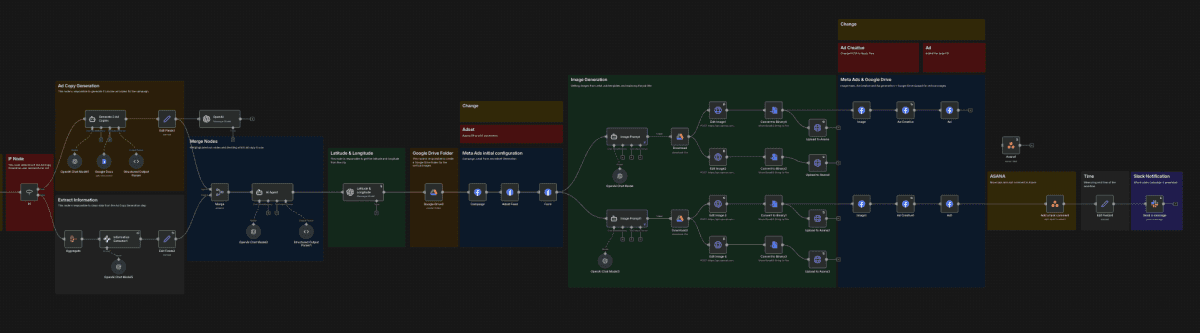
Every agency's dream: the media buyer workflow reimagined and systematized. What used to take 1.5 hours per ad now runs fully automated in just 7 minutes, without any loss of quality.
And it works. For a while.
Then the team grows. Clients come in simultaneously. Projects overlap. Deadlines get tighter. Suddenly "let's sort that out quickly" no longer cuts it. Status updates eat up time. Follow-up questions pile up. Responsibility becomes blurred. And you realize: you are no longer working on results, but on organizing work.
At that point at the latest, the search for a project management tool begins.
And this is exactly where I keep seeing the same mistakes year after year. Tools are chosen because they are currently being hyped (Trello, for example). Because someone is raving about them on LinkedIn. Or because an employee "knows their way around it." Rarely because they genuinely fit the business model, team structure, or working reality.
I have seen companies that were productive for months and then lost massive amounts of speed after a poorly introduced tool. Not because the tool was bad, but because it encouraged the wrong behaviors.
Tinkering instead of standardizing. Individualism instead of handover-readiness. Creativity instead of clarity.
In some cases the damage was so significant that entire project and client data had to be rebuilt from scratch. Systems nobody understood anymore. Processes that only "kind of" existed. Dependency on individual people who had built the tool and left behind an operational gap when they moved on.
Project management tools are not neutral instruments. They shape how teams think, communicate, and take ownership. They determine whether work flows smoothly or constantly escalates. Whether there is clarity or endless alignment meetings.
That is why this article is not a tool comparison in the classical sense. No feature table, no marketing fluff, no affiliate recommendations. Instead, a practical assessment from real-world experience.
What actually works for agencies and SMEs. Which tools create order instead of busy work. And why some very well-known tools are deliberately not recommended here.
If you currently feel that your project management is costing more energy than it saves, keep reading.
Not to find the "best" tool, but the right one for your reality.
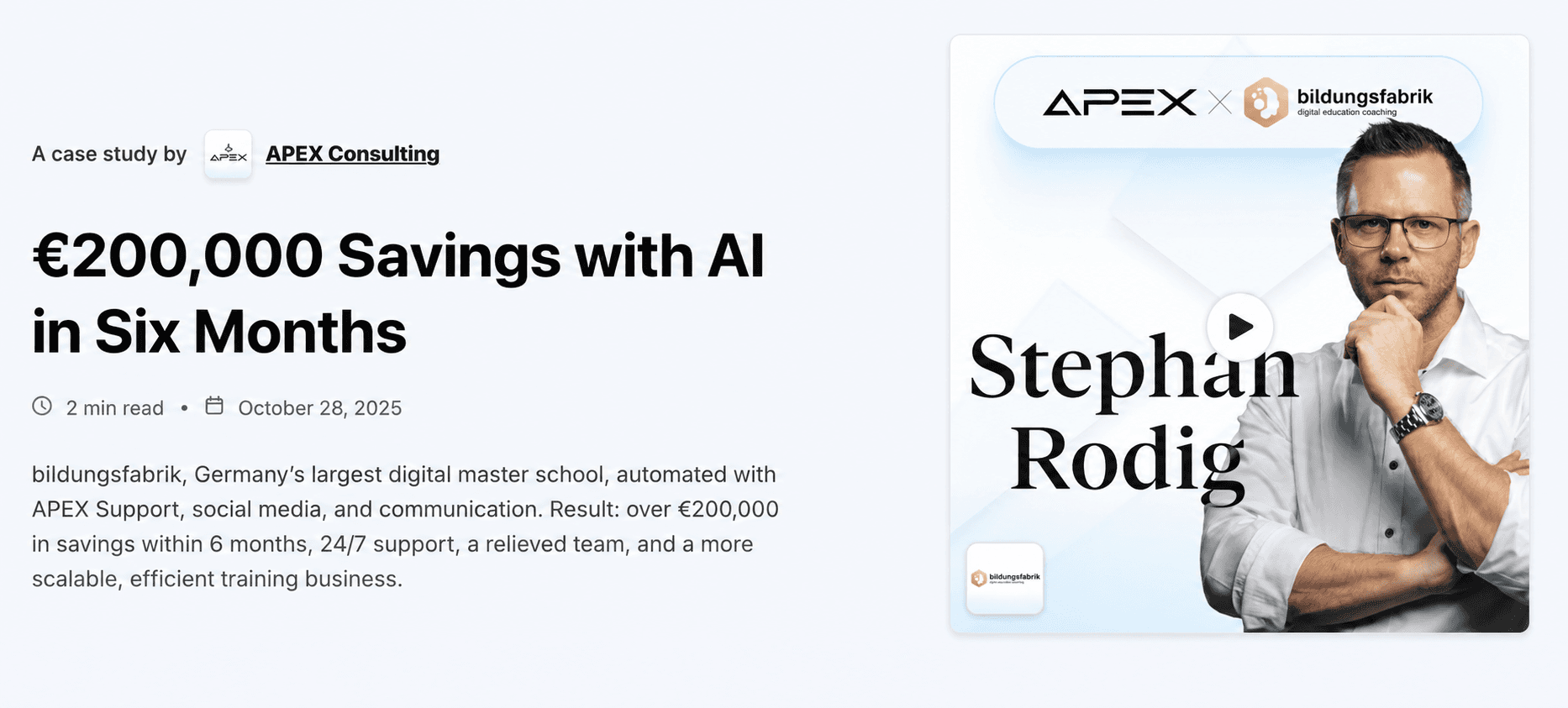
€200,000 in cost savings in just six months through AI automation. This case study shows how companies use artificial intelligence to make processes radically more efficient and secure a clear competitive advantage.
Why certain tools are deliberately not recommended here
Before we get started, one clear point that matters to me.
Notion and Monday are not recommended here and will not be covered.
Not out of provocation, but out of experience.
AI tinkerers have implemented both tools at agencies dozens of times when things were already on fire. Typical symptoms:
One employee helped build the system and nobody else understands it
No standards, no fixed fields, no reliability
Projects are documented "somehow"
Reporting is a matter of luck
New employees need weeks to find their footing
These tools invite tinkering. For individuals that may work. For teams and growing organizations it is genuinely dangerous. Especially in agencies and SMEs, where processes need to be robust, transferable, and maintainable.
That is why we focus here on tools that enforce or at least encourage structure, rather than rewarding creative chaos.
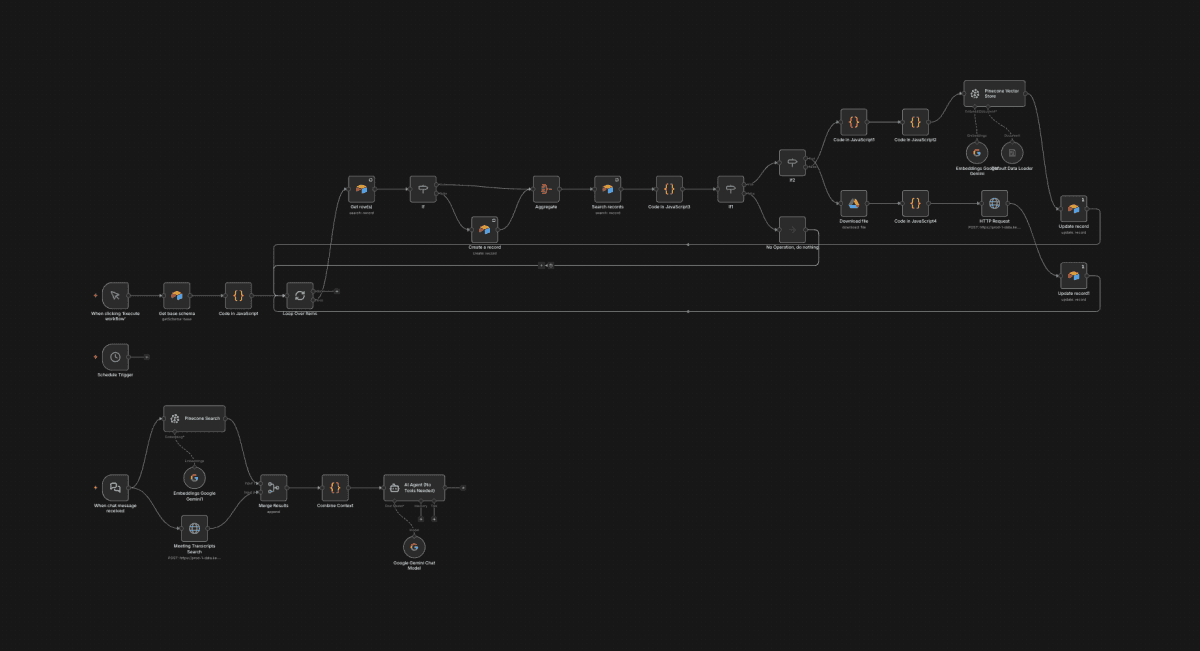
Airtable to RAG: chat directly with your own project management system and generate high-quality copy, concepts, and assets in seconds, automated, context-based, and significantly faster than manual workflows.
The simple tools: when clarity matters more than feature variety
Not every company needs complex systems. On the contrary. Many teams become more productive when they deliberately choose simplicity.
Todoist
Todoist is one of the few tools where I have almost never seen chaos. Why? Because it simply does not allow for much. Add tasks, set deadlines, prioritize, done.
I frequently recommend Todoist for:
Solopreneurs
Managers handling personal tasks
Small teams without project dependencies
It forces you to think clearly. No nested systems, no data models, no frills.
Todoist is not suitable the moment multiple people are working on complex projects or dependencies need to be mapped.
Trello
Trello is visual, simple, and quick to understand. Teams that previously worked with whiteboards in particular feel immediately at home here.
In practice I have often seen Trello work well for:
Content teams
Small agencies in early stages
Internal campaigns or event planning
The danger lies in the Power-Ups. As soon as every board works differently, inconsistencies emerge. Trello works best when it is kept deliberately simple.
Asana
Asana has been our reliable workhorse for years. No hype, no extreme innovation, but dependable. We use Asana daily in operational project management for exactly this reason.
Asana does not push you toward creativity, but toward clarity:
Tasks
Owners
Deadlines
Projects
For many agencies, Asana is a very good sweet spot between structure and flexibility. It shows weaknesses with very data-heavy setups or deep reporting requirements.
Structured data instead of tool tinkering
Once your business becomes data-driven, for example in lead management, content systems, quoting processes, or campaigns, classical task tools are no longer sufficient.
This is where the wheat gets separated from the chaff.
Airtable
Airtable is one of the most important tools I recommend to agencies and SMEs. Not as a toy, but as a structural foundation.
The decisive difference from tinkering tools:
Fixed field types
Clear data models
Controlled relationships
Clean views for different roles
We have built complete internal operating systems with Airtable: CRM, proposal pipelines, content production workflows, reporting dashboards.
Airtable works particularly well when processes are repeatable and cleanly defined. It forces teams to think in a structured way and prevents sprawl when set up correctly.
Glide
Glide is not a classical project management tool, but an extremely powerful complement.
In practice I frequently use Glide to build clean frontends on top of Airtable or Google Sheets data:
Client portals
Internal status apps
Simple CRM interfaces
Mobile project overviews
The major advantage: employees or clients only see what they are supposed to see. No raw data, no chaos, no misuse.
For SMEs in particular, Glide is a powerful tool for combining outward professionalism with internal efficiency.
When things get genuinely complex
Some teams need maximum depth. But that comes at a price.
ClickUp
ClickUp is the most powerful tool on this list. And simultaneously the most dangerous when used incorrectly.
I have seen ClickUp setups that were impressive. And others that paralyzed entire organizations.
ClickUp only works well when:
Processes are clearly defined
There is a dedicated tool owner
Governance is taken seriously
For tech teams and complex projects, ClickUp can be excellent. For teams without clear structure it quickly becomes overkill.
Basecamp
Basecamp is deliberately inflexible. And that is exactly what makes it interesting.
There is a clear project logic, fixed communication channels, and little room for individualism. For agencies with project-based work, that can be enormously relieving.
The pricing model independent of user count is particularly attractive for growing teams.
How to actually find the right tool
Forget feature comparisons. Ask yourself these questions instead:
How does my team actually work today?
Where are the friction points right now?
Do we need tasks, data, or both?
Does the system need to scale, be transferable, and be auditable?
Rough guidance: focus on tasks: Todoist, Trello, Asana. Focus on data and processes: Airtable plus Glide. Focus on complexity: ClickUp, Basecamp.
Always test with a real project. Two weeks is usually enough to feel whether a tool brings calm or generates new questions.
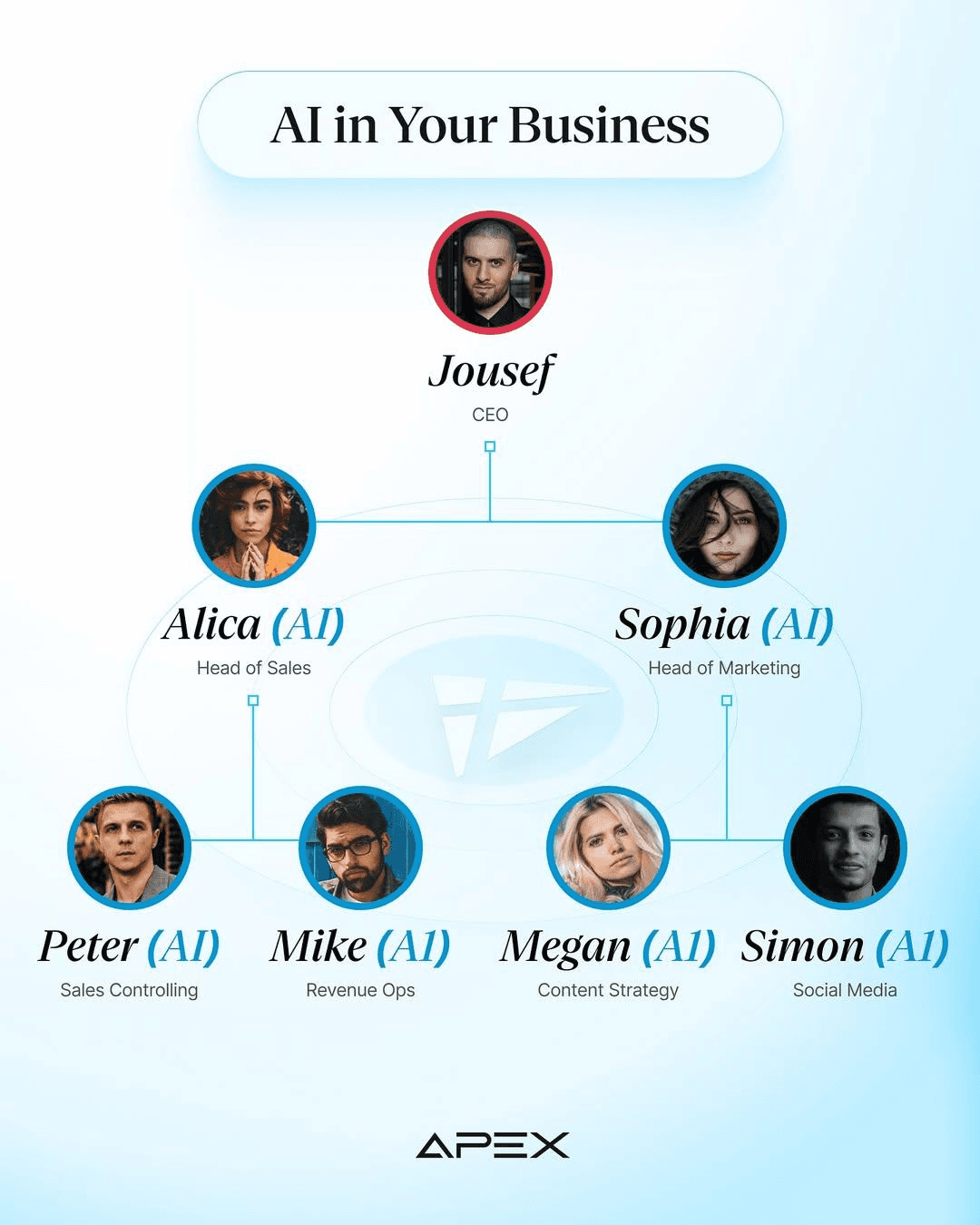
My vision for your company over the next 24 months: an AI CxO instead of bloated org charts, manual work, and continuous alignment meetings. A perfectly orchestrated system of AI agents that continuously executes, learns, and optimizes across marketing, sales, operations, and leadership, faster, more scalable, and clearer than any classical organizational model.
Your next step: systems that relieve you, not systems that keep you busy
If while reading this you realized that the issue in your company is less about your team's effort and more about missing or poorly chosen systems, you are not alone. This is exactly the point where we step in with companies.
We help agencies and SMEs select the right tool stack, structure existing tools cleanly, and develop robust processes, automations, and AI-powered systems from them.
If you want clarity on which tools genuinely fit your business model, which processes can be automated, and where AI can meaningfully reduce the load, then let's talk. In a structured conversation we analyze your current way of working, identify bottlenecks, and show you what a system can look like that brings calm back into your daily operations.
Not more tools, but the right ones.
About APEX Consulting
APEX Consulting is an AI automation and growth consulting firm supporting B2B organizations with intelligent workflows, AI agents, CRM automation, and scalable operating systems. The firm focuses on practical, implementation-driven solutions that reduce manual effort and enable sustainable growth.
More information: https://apex-consulting.ai/