
Bessere Prompts schreiben mit dem PODS-Framework
Viele Menschen sprechen über Prompt Engineering, aber nur sehr wenige erklären, wie man es tatsächlich im täglichen Business nutzt. Agenturen und kleine bis mittlere Unternehmen stehen vor derselben Herausforderung: Alle wünschen sich bessere Ergebnisse von ChatGPT, Claude oder Gemini, aber die Realität ist oft frustrierend. Manchmal klingt das Ergebnis zu unpersönlich, manchmal fehlt der Kontext, manchmal passt der Ton nicht, und manchmal ist das Ergebnis einfach unbrauchbar.
Das Problem ist fast nie das KI-Modell selbst. Es ist der Prompt!
Ein „Prompt“ ist einfach eine Anweisung oder Frage, die du an ein KI-Modell wie ChatGPT sendest, um eine bestimmte Antwort oder ein Ergebnis zu erhalten. Es ist deine Eingabe – das kann von einer einfachen Frage bis hin zu komplexen Arbeitsaufträgen reichen. Je genauer und ausführlicher du deinen Prompt formulierst, desto toller wird das Ergebnis sein, das die KI für dich zaubert!
Das PODS-Framework ist eine super Methode, die das Prompt Engineering so einfach strukturiert, dass selbst Teams ohne KI-Erfahrung im Handumdrehen professionelle Ergebnisse erzielen können. Hier gibt es keine komplizierten Tricks, sondern vier wichtige Bausteine, die jede KI braucht, um genau passende, präzise und nützliche Antworten zu liefern:
Je klarer du diese vier Elemente formulierst, desto besser wird die Qualität der Antworten und desto schneller könnt ihr die KI in eure tägliche Arbeit einbinden!
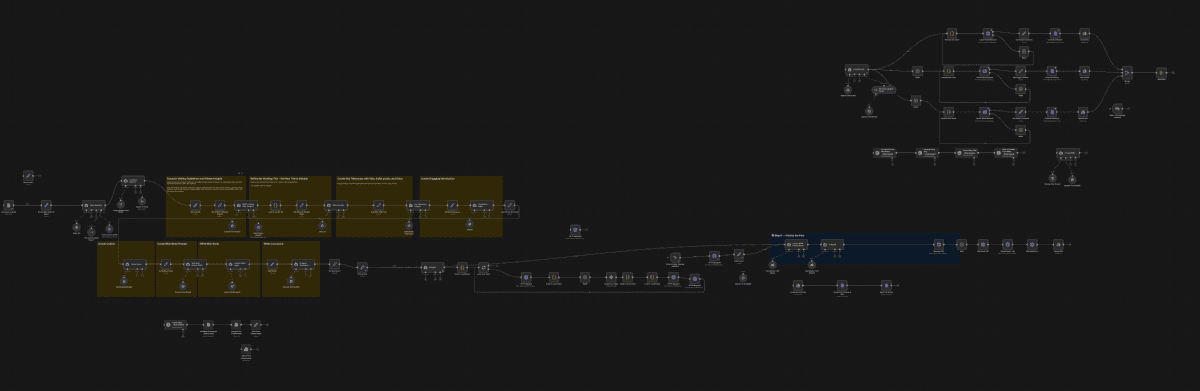
Unser SEO-Artikel-Texter: Ein mehrstufiger n8n-Workflow für Keyword-Analyse, Inhaltserstellung, Strukturierung und das Veröffentlichen von suchmaschinenoptimierten Artikeln.
Warum klassische Prompts scheitern: Ein Blick in den Alltag von Agenturen und KMUs
Die meisten Nutzer geben ChatGPT unvollständige oder sehr allgemeine Anweisungen wie:
„Schreib mir einen LinkedIn-Post über Kundengewinnung.“ „Erkläre mir, wie ich meine Website verbessern kann.“ „Fasse das Dokument zusammen.“
Das führt fast immer zu langweiligen Texten, Wiederholungen und fehlender Tiefe. Agenturen und KMUs merken das besonders stark, weil ihre Aufgaben selten theoretisch sind. Sie sind konkret, wichtig für das Geschäft und brauchen Hintergrundwissen:
Eine Agentur braucht nicht irgendeinen Social-Media-Post. Sie braucht einen Beitrag, der genau zur Zielgruppe, zur Positionierung und zur Stimme der Marke passt. Ein KMU möchte keine allgemeinen Tipps zur Prozessoptimierung, sondern eine Anleitung, die genau auf die eigene Branche, Struktur und Ressourcen abgestimmt ist.
Und genau da kommt das PODS-Framework ins Spiel!
1. Persona (Die Rolle)
Wer spricht hier eigentlich? Welche Rolle soll die KI einnehmen?
Die Persona ist dein Fundament. Ein Prompt ohne Persona ist wie ein Meeting ohne Thema!
Nehmen wir ein Beispiel aus einer Marketing-Agentur: Wenn die KI einen Werbetext schreiben soll, reicht es nicht zu sagen: „Schreibe einen Werbetext für ein neues Fitnessstudio.“
Das Ergebnis wird wie ein Standard-Werbespruch klingen, der überall passen könnte – und deshalb nirgends richtig funktioniert.
Mit einer PODS-Persona sieht das Ganze schon viel besser aus:
„Du bist ein erfahrener Werbetexter mit Fokus auf Performance-Marketing. Du schreibst klare, verkaufstarke Texte für Social-Media-Anzeigen und verstehst die Psychologie der Zielgruppe ganz genau.“
Ein Beispiel für ein KMU: Stell dir einen Handwerksbetrieb vor, der seine Angebote automatisch erstellen möchte.
Die Anfrage an die KI könnte lauten: „Erstelle mir eine Angebotsvorlage.“
Das Ergebnis wird sehr einfach sein. Viel besser ist: „Du bist ein technischer Projektkalkulator mit Erfahrung im Bereich Heizung, Lüftung, Sanitär. Deine Angebote sind präzise, sachlich und enthalten klare Leistungsbeschreibungen.“
Die Persona bestimmt die Sichtweise, das Fachwissen und die Logik der Antworten. Ohne sie bleibt das Ergebnis oberflächlich. Mit ihr wird die KI zu einem echten Spezialisten in deinem Team!
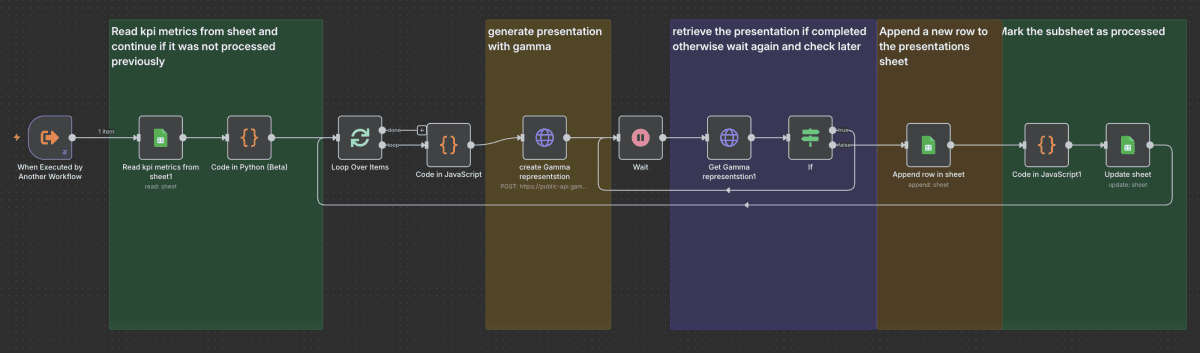
Automatisierter n8n-Workflow zur KPI-Verarbeitung: Liest KPI-Daten aus einer Google-Tabelle, erstellt automatisch tolle Gamma-Präsentationen, prüft den Erstellungsstatus in regelmäßigen Abständen, speichert die fertigen Präsentationen in einer zweiten Tabelle und markiert verarbeitete Zeilen, um doppelte Arbeit zu vermeiden.
2. Objective (Das Ziel)
Was genau soll erreicht werden und warum?
Viele Prompts scheitern, weil das Ziel unklar ist. Die KI soll irgendwie „helfen“, „erstellen“ oder „beraten“, aber die Aufgabe bleibt schwammig.
Agentur-Beispiel: Eine Branding-Agentur möchte eine Positionierungs-Analyse. Ein schlechter Prompt wäre:
„Analysiere die Marke und gib mir Feedback.“
Der gute Prompt lautet:
„Das Ziel ist es, die Markenpositionierung auf Klarheit und Unterscheidbarkeit zu prüfen. Das Ergebnis soll eine strukturierte Analyse sein, die deutlich zeigt, welche Elemente schon super funktionieren und an welchen wir noch arbeiten müssen.“
KMU-Beispiel: Ein Maschinenbauunternehmen möchte seine Kundenkommunikation verbessern.
Schlechter Prompt: „Erkläre uns, wie wir besser kommunizieren können.“
Guter Prompt: „Das Ziel ist es, unsere Kundenkommunikation so zu gestalten, dass technische Inhalte auch für Entscheider ohne technischen Hintergrund leicht verständlich sind. Das Ergebnis soll konkrete Formulierungen und Beispiele enthalten, die wir in Angeboten und Präsentationen nutzen können.“
Ein klar definiertes Ziel zeigt der KI genau die Richtung, in die sie laufen soll!
3. Data (Die Daten)
Welche Infos braucht die KI?
Hier passiert oft der größte Fehler: Es werden viel zu wenige Infos gegeben.
Die KI kann nicht hellsehen! Sie weiß nicht, wie dein Unternehmen kommuniziert, wer deine Zielgruppe ist, wie deine Prozesse ablaufen oder welche Produkte dir wichtig sind.
Beispiele:
Agentur: Eine Social-Media-Agentur erstellt Inhalte für einen Kunden aus der Solarbranche. Wenn der Prompt nur lautet: „Schreibe einen Instagram-Post über Photovoltaik“, kann die KI nur allgemeine Infos liefern.
Wenn du ihr aber diese Daten gibst:
Zielgruppe: Hausbesitzer im Alter von 40 bis 60 Jahren
Positionierung: Premium-Anbieter
Vorteil (USP): 25 Jahre Garantie, schnelle Installation
Ton: beratend, kein aufdringlicher Verkauf
Ziel: Vertrauen aufbauen
...dann kann die KI ein absolut passgenaues Ergebnis für dich erstellen!
KMU: Ein Hersteller von Präzisionsteilen möchte automatisierte E-Mails an Kunden senden. Wenn die KI die Produkte, Lieferzeiten, Zertifikate oder typischen Fragen der Kunden nicht kennt, können keine guten E-Mails entstehen.
Daten sind das Futter für hochwertige Ergebnisse! Je mehr passender Kontext, desto schöner das Ergebnis.
4. Style (Der Stil)
Wie soll das Ergebnis klingen?
Der Stil entscheidet darüber, ob du das Ergebnis sofort nutzen kannst oder nicht.
Agenturen arbeiten oft mit einer bestimmten Markenstimme und festgelegten Tonalitäten. KMUs brauchen meist klare Vorgaben: sachlich, technisch, direkt auf den Punkt und ganz ohne kompliziertes Marketing-Deutsch.
Beispiele:
Eine Performance-Agentur braucht: „Kurz, präzise, aktiv, ohne lange Geschichten.“
Eine Steuerkanzlei braucht: „Sachlich, genau, leicht verständlich für Laien, ohne schweres Steuer-Fachchinesisch.“
Ein Maschinenbauer braucht: „Technisch exakt, strukturiert, funktional, kein Werbestil.“
Der Stil-Baustein sorgt dafür, dass die KI immer genau den richtigen Ton trifft, der bei deinen Lesern gut ankommt!
Wie das PODS-Framework den Alltag von Agenturen und KMUs verändert
Wenn diese vier Elemente zusammenkommen, ist ein Prompt kein bloßes Ausprobieren mehr. Es wird zu einem klaren Briefing, wie es auch jeder menschliche Kollege sofort verstehen würde!
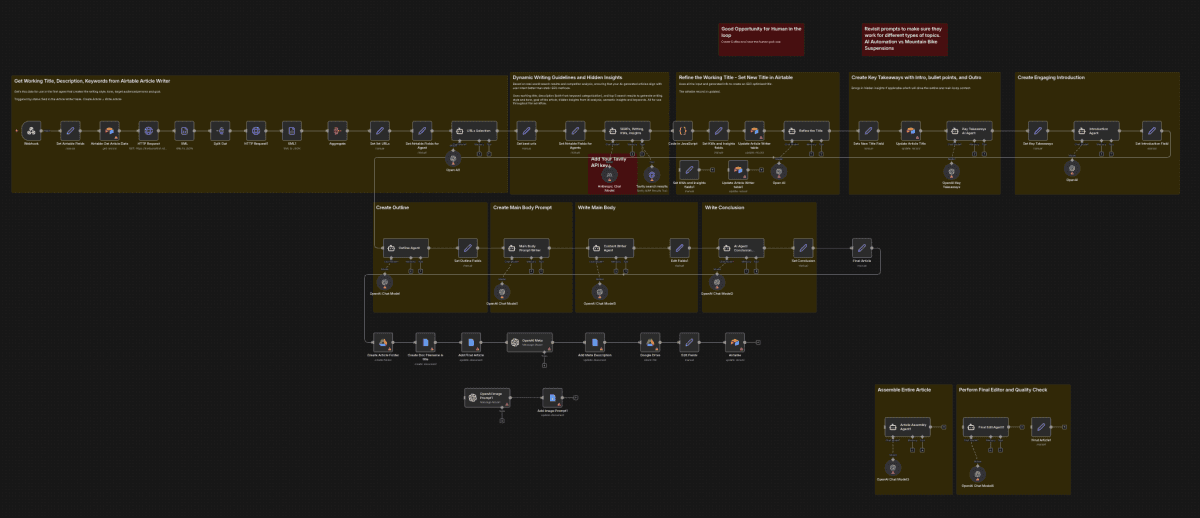
Multi-Agenten-System für SEO-optimierte Blogtexte mit Hyperlinks: Ein vollautomatischer n8n-Workflow, der jeden Schritt der Artikelerstellung steuert – von der Titel- und Keyword-Suche über die Gliederung und den Text bis hin zur Qualitätsprüfung. Link-Integration, Meta-Angaben, Airtable-Abgleich und Google-Drive-Speicherung sind natürlich auch dabei!
Das freut das Agentur-Team, weil:
Texte viel schneller fertig werden und immer gut klingen
Korrekturen und Änderungen extrem abnehmen
Kunden-Dokumente fehlerfrei erstellt werden
Ergebnisse perfekt zur jeweiligen Zielgruppe passen
Das ganze Team dieselbe „Prompt-Sprache“ lernt
Das KMU profitiert, weil:
Angebote verständlicher und klarer formuliert sind
Die interne Absprache einfacher wird
Prozesse super automatisiert werden können
Wissen ganz einfach im Team geteilt werden kann
Anleitungen und Schulungsunterlagen im Handumdrehen fertig sind
Das PODS-Framework ist kinderleicht zu lernen, hat aber eine riesige Wirkung!
Ein einfaches Beispiel aus der Praxis:
Eine Agentur möchte eine Landingpage für einen neuen Kunden schreiben.
Schlechter Prompt: „Schreibe eine Landingpage für einen Zahnarzt.“
Guter Prompt mit dem PODS-Framework:
Persona: Du bist ein erfahrener Werbetexter für lokale Dienstleister, der genau weiß, wie man Leser überzeugt.
Objective (Ziel): Erstelle eine Landingpage, die Besucher dazu bringt, einen Termin zu vereinbaren. Im Fokus stehen Vertrauen, Fachkompetenz und ein sicheres Gefühl.
Data (Daten): Der Kunde ist eine Zahnarztpraxis, die sich auf Angstpatienten spezialisiert hat. Besonderheiten: schmerzfreie Behandlungsmethoden, modernste Technik, flexible Wunschtermine. Zielgruppe: Erwachsene zwischen 30 und 60 Jahren mit Zahnarztangst. Wichtig: Keine aggressive Werbung, sondern eine beruhigende, vertrauensvolle Sprache.
Style (Stil): Klar, ruhig, freundlich, kurze Sätze, leicht verständliche Worte.
Das Ergebnis ist nicht nur viel besser, sondern du kannst es auch direkt verwenden!
Ein zweites tolles Beispiel aus einem KMU:
Ein herstellendes Unternehmen möchte seinen Produktionsprozess einfacher erklären.
Schlechter Prompt: „Erkläre unseren Produktionsprozess.“
Guter PODS-Prompt:
Persona: Du bist ein technischer Redakteur mit Schwerpunkt Maschinenbau und Fertigung.
Objective (Ziel): Erstelle eine leicht verständliche Erklärung des Produktionsablaufs, die unsere Vertriebsmitarbeiter im Gespräch mit Kunden nutzen können.
Data (Daten): Wir stellen CNC-gefräste Aluminiumteile her. Die Schritte sind: CAD-Konstruktion, Materialauswahl, Fräsen, Qualitätsprüfung und Endmontage. Die Kunden haben meist keinen technischen Hintergrund.
Style (Stil): Sachlich, klar, ganz ohne komplizierte Fachbegriffe. Maximal 6 Absätze.
Und schon liefert dir die KI eine Erklärung, die wirklich jeder versteht!
Das PODS-Framework ist nicht einfach nur eine Methode für bessere Prompts. Es ist ein toller Kommunikationshelfer, der dir dabei hilft, die KI ganz einfach in deine tägliche Arbeit einzubinden. Besonders Agenturen und KMUs profitieren davon, weil es mühsame Aufgaben in klare, einfache Schritte aufteilt.
Statt ständig neue Prompts auszuprobieren, liefert PODS dir Arbeitsaufträge, die die KI wie ein echter Profi für dich erledigt!
Über APEX Consulting
APEX Consulting ist eine tolle Beratung für KI-Automatisierung und Wachstum. Wir unterstützen B2B-Unternehmen mit intelligenten Workflows, KI-Assistenten, CRM-Automatisierung und Systemen, die mitwachsen. Dabei konzentrieren wir uns auf praktische Lösungen, die dir lästige Handarbeit abnehmen und deinem Unternehmen beim Wachsen helfen.
Mehr Infos findest du hier: https://apex-consulting.ai/