
Agenturen stehen im Jahr 2026 vor riesigen Herausforderungen – schütze dich jetzt mit KI!
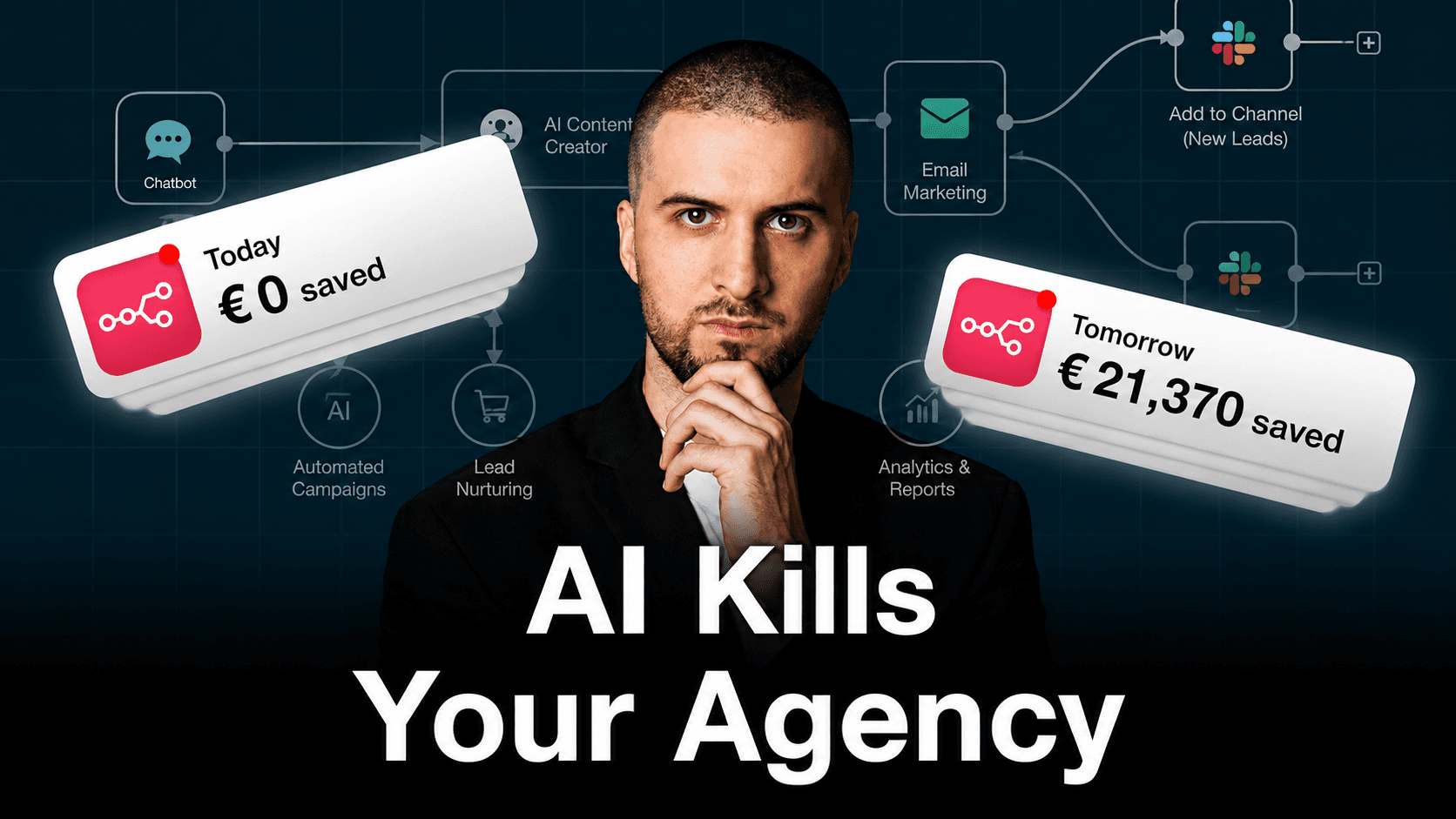
Stell dir vor, du könntest deine Marketingkampagnen für nur 1 € im Monat statt für mehrere tausend Euro laufen lassen. Klingt wie ein Traum? Jetzt nicht mehr! Künstliche Intelligenz stellt die gesamte Marketingwelt gerade völlig auf den Kopf – und das viel schneller und radikaler, als es viele wahrhaben wollen.
Wer jetzt nicht aktiv wird, läuft Gefahr, in wenigen Jahren komplett vom Markt zu verschwinden.
Gleichzeitig eröffnen sich für mutige Agenturen ganz neue, fantastische Möglichkeiten: höhere Gewinne, schnelleres Wachstum und noch bessere Ergebnisse!
In diesem Artikel zeige ich dir, wie die KI-Revolution das Marketing verändert und was du tun musst, um nicht nur zu überleben, sondern als echter Gewinner aus der Sache hervorzugehen!
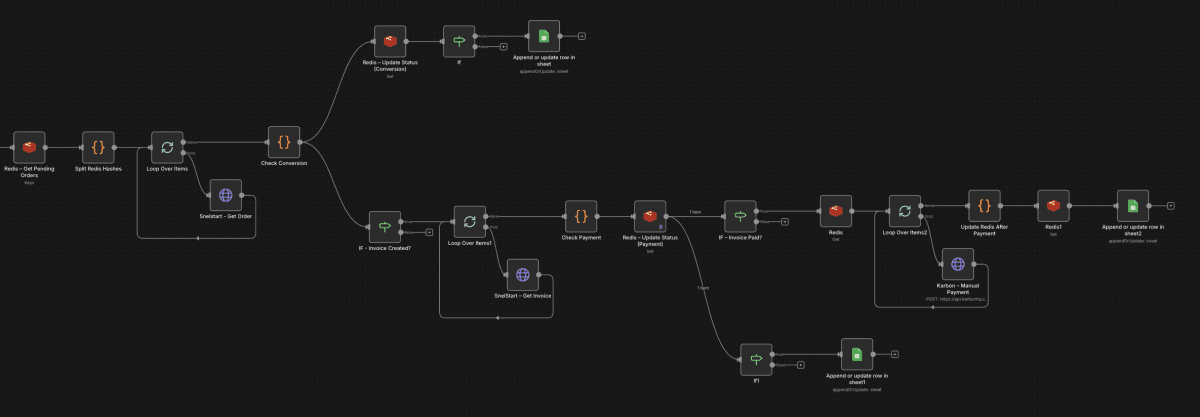
n8n-Buchhaltungsautomatisierung: Dieser tolle Workflow erkennt offene Bestellungen ganz automatisch, prüft den Rechnungsstatus, aktualisiert interne Statusmeldungen, verarbeitet Zahlungsinformationen, führt manuelle Prüfungen durch und synchronisiert alle Daten super zuverlässig mit Google Sheets. Perfekt für eine vollautomatische und fehlerfreie Buchhaltung!
Die 95-Prozent-Regel: Wie viel Marketing bald komplett automatisch läuft
Fast alles, was Digital-Marketing-Agenturen heute noch mühsam von Hand erledigen, lässt sich technisch schon jetzt automatisieren! Ob SEO, Webentwicklung, bezahlte Werbung, Texterstellung, Design oder Strategie: Der gesamte Bereich steht vor einer großen Automatisierungswelle.
Aber Achtung: Eine 100-prozentige Automatisierung ist nicht die Lösung!
Experten schätzen, dass rund 95 Prozent der Marketingprozesse irgendwann von einer KI übernommen werden. Und die restlichen 5 Prozent? Die bleiben in der Hand von uns Menschen – und genau hier entsteht der entscheidende Unterschied!
Denn wenn alle dieselben KI-Tools nutzen, sieht am Ende auch jede Kampagne gleich aus. Wer wirklich auffallen möchte, braucht menschliche Kreativität, eine persönliche Note und strategisches Feingefühl.
Welche Bereiche sind betroffen und wie stark?
Natürlich wird nicht jeder Marketing-Bereich gleich stark automatisiert. Hier ist eine einfache Übersicht für dich:
SEO: Zu rund 90 Prozent automatisierbar. Keyword-Recherche, Inhaltsoptimierung und technisches SEO klappen fast komplett mit KI.
Webentwicklung: Ebenfalls super hoch automatisierbar! Gerade einfache Websites und Landingpages lassen sich ganz leicht mit Tools wie Onepage, Framer, Webflow und WordPress erstellen.
Werbung (Ads): Wird bald vermutlich zu 95 Prozent automatisch laufen, da KI Daten viel schneller analysieren und klügere Entscheidungen treffen kann als wir Menschen.
Inhaltserstellung (Content): Zu etwa 80 Prozent automatisierbar. Aber denk dran: Echte, authentische Inhalte werden umso wertvoller, weil sie sich angenehm von der Masse an KI-Texten abheben (das ist das EEAT-Prinzip von Google).
Design: Zu rund 90 Prozent automatisierbar, besonders bei Vorlagen und Standard-Layouts. Schau dir als tolles Beispiel im Videobereich mal kifilm.de an!
Strategie: Bleibt der kreativste und menschlichste Bereich, auch wenn KI hier schon super bei der Datenanalyse und bei Vorhersagen hilft.
Die goldene Regel lautet: Je mehr Daten im Spiel sind, desto einfacher lässt es sich automatisieren. Je kreativer und persönlicher es wird, desto wichtiger bleibt der Mensch!
Was das für deinen Geldbeutel bedeutet
Bisher war Marketing immer mit viel Fleißarbeit verbunden. Eine einzige Kampagne verschlingt stundenlange Recherche, Texterstellung und Optimierung.
Früher bedeutete Wachstum immer, dass man mehr Mitarbeiter einstellen musste. Das bremst das Wachstum und schmälert den Gewinn.
Die KI stellt dieses Spiel jetzt völlig auf den Kopf! Du kannst die gleiche Arbeit mit einem viel kleineren Team erledigen. Das bedeutet für dich:
Ganz stark sinkende Betriebskosten
Schnelleres Wachstum, ohne dass du sofort neue Leute einstellen musst
Höhere Gewinne bei gleicher oder sogar noch besserer Qualität
Ein super Beispiel: Eine automatisierte SEO-Kampagne kann heute für nur 1 € im Monat laufen! Traditionelle Agenturen verlangen dafür oft mehrere tausend Euro. Dieser Preisunterschied wird den Markt komplett aufmischen.
Marketing wird für alle zugänglich – und der Wettbewerb wird knackig
Die KI-Revolution hat zwei aufregende Seiten.
Die eine Seite ist wunderbar: Auch kleine Unternehmen und Solo-Selbstständige können plötzlich professionelle Kampagnen starten, die sich früher nur riesige Konzerne leisten konnten. Marketing für ein paar Euro statt für Tausende – das ist echte Chancengleichheit!
Die andere Seite fordert uns heraus: Wenn jeder Zugriff auf diese genialen Tools hat, wird es auch viel voller auf dem Markt. Es gibt unzählige Kampagnen, der Wettbewerb wird härter, und um aufzufallen, braucht man heute viel mehr Köpfchen als früher.
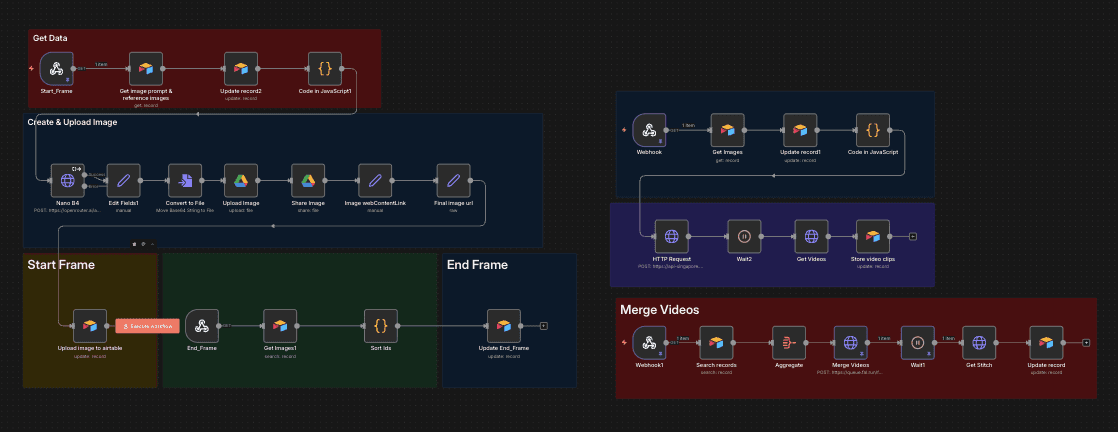
Ein cleverer, modularer n8n-Workflow zur automatischen Erstellung, Bearbeitung und Speicherung von KI-Bildern. Der Prozess holt sich Prompts und Vorlagen, erstellt das Bild über OpenRouter, lädt die Dateien bei Google Drive hoch und aktualisiert direkt das passende Airtable-Board.
Mittelmaß hat im KI-Zeitalter keine Chance mehr
Normale Agenturen, die nur „ganz okay“ sind, werden es in Zukunft schwer haben. Warum? Weil schnellere und KI-gestützte Mitbewerber einfach an ihnen vorbeiziehen. Wer seine Prozesse weiterhin komplett von Hand erledigt, verliert den Anschluss.
Aber keine Sorge, jetzt kommt die gute Nachricht: Erstklassige Agenturen mit einer klaren Strategie und einer einzigartigen Note werden den Markt anführen! Der Unterschied zwischen Durchschnitt und echter Spitzenklasse wird einfach riesig sein.
Zwei tolle Strategien für Agenturen in diesem neuen Markt
Durch die gesparten Kosten dank Automatisierung hast du zwei super Möglichkeiten:
Der Premium-Weg: Nutze das gesparte Geld, um in die absolut besten Talente und eine erstklassige Strategie zu investieren. Biete anspruchsvollen Kunden, die Wert auf höchste Qualität legen, exklusive Services an.
Der Mengen-Weg: Senke deine Preise deutlich und gewinne viele neue Kunden für dich! So erreichst du auch Kunden, die sich eine klassische Agentur früher nie hätten leisten können.
Wo eine SEO-Agentur früher vielleicht 10.000 € im Monat verlangt hat, macht die Automatisierung heute Preise von 1.000 € oder sogar kleine Einstiegsangebote ab 100 € möglich. Diese neuen Preise werden den Markt komplett umkrempeln!
Die vier wichtigsten Vorteile für deinen Erfolg
Wenn Routineaufgaben automatisch ablaufen, was zählt dann überhaupt noch? Diese vier Faktoren sind in der KI-Welt entscheidend für deinen Erfolg:
1. Tolle Beziehungen
Kundenbeziehungen werden sogar noch wichtiger! Wenn die Technik zum Standard wird, zählen die persönliche Beratung und das Vertrauen umso mehr. Menschen kaufen immer noch am liebsten von Menschen – das gilt heute mehr denn je!
2. Eine kluge Strategie
Agenturen werden von einfachen Umsetzern zu echten strategischen Partnern. Bei all den KI-generierten Kampagnen brauchst du clevere Ideen, die wirklich aus der Masse herausstechen. Kreativität und Marktverständnis sind jetzt dein absolutes Erfolgsgeheimnis!
3. Wertvolle Daten
Die Kundendaten, die du über Jahre gesammelt hast, sind pures Gold wert! Sie sind das perfekte Futter für noch bessere, maßgeschneiderte KI-Lösungen. Agenturen, die ihre Daten clever nutzen, bauen einen Vorsprung auf, den andere so schnell nicht einholen können.
4. Schnelligkeit
Wer neue KI-Tools am schnellsten ausprobiert und nutzt, sichert sich den besten Startplatz! Flexibilität ist dein neuer Super-Vorteil. Der Abstand zu Mitbewerbern, die zögern, wird im Nu riesig.
Fazit: Leg jetzt los und sichere dir deinen Vorsprung!
Die KI-Revolution im Marketing ist keine Zukunftsmusik – sie passiert genau jetzt, in diesem Moment! Prozesse verändern sich rasant, Marketing wird einfacher zugänglich und gleichzeitig anspruchsvoller. Die Gewinner sind die Agenturen, die KI schnell bei sich integrieren, ihr Team mit kreativen Köpfen stärken und auf Einzigartigkeit setzen.
Wer sich jetzt sträubt, verliert den Anschluss – und das leider ziemlich schnell. Aber für alle, die jetzt mutig vorangehen, bietet die nächste Zeit eine einmalige, historische Chance: Werde zum Pionier, gestalte die Branche mit und wachse mit einem fröhlichen, schlanken Team und tollen Gewinnen!
Dein nächster Schritt: Fang am besten noch heute an, KI-Tools in deine Prozesse einzubauen!
Probiere dich aus, lerne schnell dazu und finde heraus, wo die 5 Prozent menschliche Kreativität liegen, die deine Agentur so besonders machen. Investiere in die Beziehung zu deinen Kunden, feile an deiner Strategie, nutze deine Daten und sei einfach ein bisschen schneller als die anderen. Die Zukunft gehört denen, die sich am schnellsten anpassen!
Über APEX Consulting
APEX Consulting ist eine tolle Beratung für KI-Automatisierung und Wachstum. Wir unterstützen B2B-Unternehmen mit intelligenten Workflows, KI-Assistenten, CRM-Automatisierung und skalierbaren Systemen. Dabei setzen wir auf ganz einfache, praktische Lösungen, die dir lästige Arbeit abnehmen und dein Unternehmen nachhaltig wachsen lassen.
Erfahre mehr unter: https://apex-consulting.ai/