

Die richtigen KI-Projekte auszuwählen, ist der allererste Schritt für eine super erfolgreiche KI-Einführung in Deinem Unternehmen!
Der Unterschied zwischen Unternehmen, die mit KI echte Erfolge feiern, und denen, die auf der Stelle treten, liegt meistens an einer einzigen Fähigkeit: der Auswahl der richtigen Projekte!
Ein erfolgreicher Start mit KI gelingt nicht nur durch bloßes Herumexperimentieren, sondern durch kluge und bewusste Auswahl. Erfolgreiche Firmen sehen KI-Ideen als echte Investitionen fürs Geschäft, nicht nur als Spielereien für die Technik-Abteilung. Sie konzentrieren sich auf handfeste Probleme, die zu den Firmenzielen passen und die man mit den vorhandenen Daten und Fähigkeiten auch wirklich umsetzen kann. Ohne diese Struktur schaffen es selbst die cleversten Modelle selten über die Testphase hinaus.
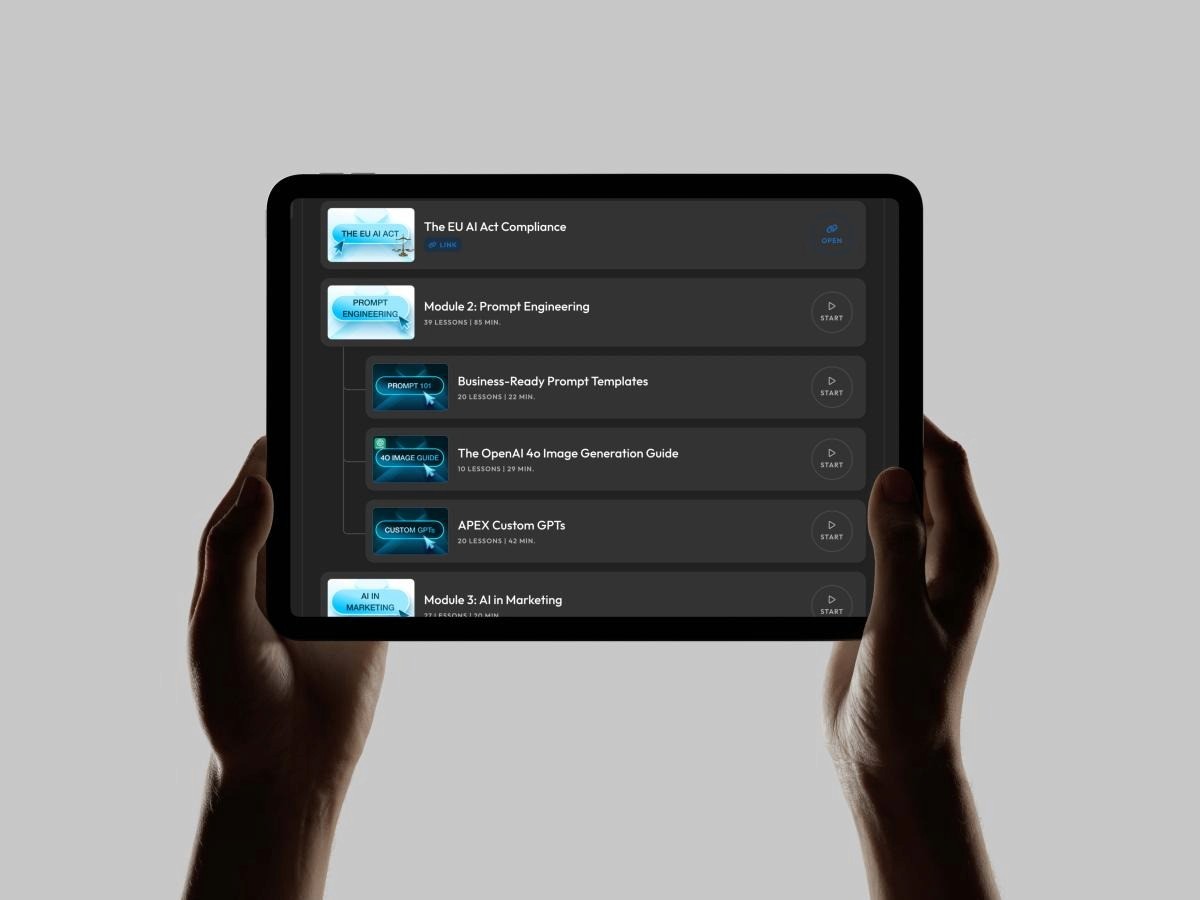
Einblick in die APEX Learning Suite: Tolle KI-Schulungen für Marketing, Automatisierung und die Modernisierung Deines Unternehmens.
Um KI-Projekte richtig auszuwählen, braucht es Struktur, Teamwork über Abteilungsgrenzen hinweg und ein gutes Gespür dafür, was machbar ist. Mit dem richtigen System filterst Du die besten Ideen spielend aus allen Vorschlägen heraus, steckst Deine Energie genau dorthin, wo sie den größten Nutzen bringt, und feierst schnelle erste Erfolge, die Lust auf mehr machen!
Starte mit einem klaren und fokussierten Kreativ-Impuls
Gutes Ideensammeln fängt mit Fokus an. Wer ganz ohne Grenzen brainstormt, steht am Ende oft mit einer langen Liste von Ideen da, die nicht zusammenpassen. Viel besser ist es, mit einem klaren Impuls zu starten, der zeigt, wo Dein Unternehmen echten Wert schafft oder wo es gerade hakt. Hier sind drei super Startpunkte:
Der erste Startpunkt ist ein geschäftlicher Hebel wie Umsatzwachstum, Kostensenkung, ein noch besseres Kundenerlebnis, Risikominderung oder die Entwicklungsgeschwindigkeit von Produkten. So stellst Du sicher, dass jede Idee auch wirklich messbare Erfolge bringt.
Der zweite Startpunkt ist ein strategisches Ziel oder eine echte Herausforderung – zum Beispiel die Kundenabwanderung zu senken, die Verkaufsrate zu steigern oder teure Anlagen besser auszulasten. Das verbindet die KI-Arbeit direkt mit den Themen, die der Chefetage besonders wichtig sind.
Der dritte Startpunkt ist eine konkrete Abteilung wie Marketing, Lieferkette, Kundenservice, Finanzen oder Entwicklung. Das klappt wunderbar, weil die Teams ihre täglichen Abläufe am besten kennen und sofort ungenutzte Chancen entdecken können, sobald sie die KI-Brille aufsetzen.
Sobald Du Deinen Startpunkt gewählt hast, kannst Du das Brainstorming strukturieren, indem Du die Ideen mit bekannten KI-Anwendungsbeispielen abgleichst. Das verhindert zu theoretische Gespräche und hilft den Teams, ganz konkrete Chancen aufzuschreiben. Das Marketing kann zum Beispiel KI für Vorhersagen zum nächsten besten Angebot nutzen, Kundenmeinungen analysieren oder neue Texte für Kampagnen entwerfen lassen. Die Logistik freut sich über Bedarfsvorhersagen, während die Finanzabteilung Betrugserkennung und Dokumentenanalyse nutzen kann. Wenn Du in solchen Mustern denkst, kommen die guten Ideen fast wie von selbst!
Nutze ein gemischtes Team, um Ideen früh auf Herz und Nieren zu prüfen
KI-Projekte scheitern oft, wenn sie nur in einer einzigen Abteilung geplant werden. Die Business-Teams haben tolle Ideen, wissen aber vielleicht nicht, ob die Daten dafür da sind. Die Technik-Teams schlagen super Lösungen vor, die aber nicht zum Arbeitsalltag der Nutzer passen. Eine erfolgreiche Auswahl braucht von Anfang an ein bunt gemischtes Team!
Eine perfekte Arbeitsgruppe besteht aus Abteilungsleitern, die die Abläufe kennen, Entscheidern, die Prioritäten setzen können, und Technik-Profis, die die Machbarkeit und die Daten prüfen. Wenn Du diese Experten noch nicht im eigenen Team hast, kann ein erfahrener Berater anfangs helfen. Die Verantwortung sollte aber im Unternehmen bleiben, denn die Begeisterung und der Wandel vor Ort lassen sich nicht auslagern.
Eine gute Vorbereitung ist alles! Die Kollegen aus dem Business bringen viel bessere Ideen ein, wenn sie vorher ein paar tolle Beispiele gesehen haben und verstehen, was KI kann – und was eben nicht. Ohne dieses Wissen schwankt das Brainstorming oft zwischen zu einfachen Ideen und unrealistischen Träumen.
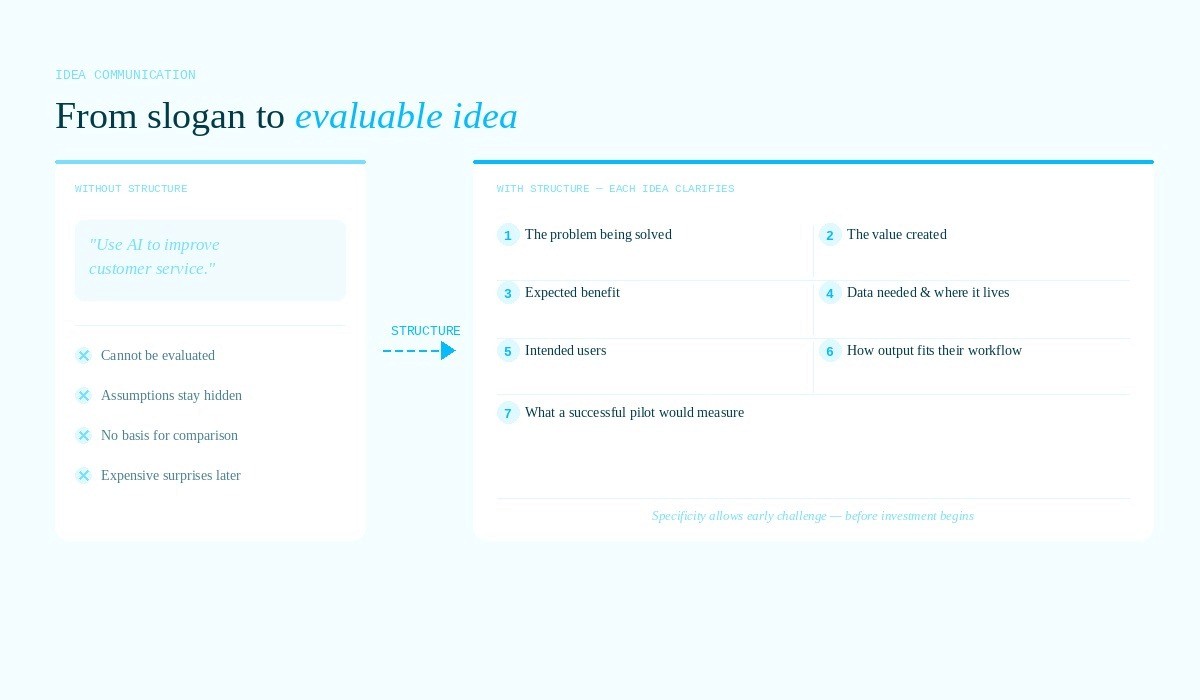
Die meisten Ideen scheitern schon ganz am Anfang, weil sie nicht konkret genug formuliert werden. Gestalte Deine Ideen so klar, dass man sie wirklich prüfen kann!
Präsentiere Ideen so strukturiert, dass man sie leicht bewerten kann
Nach dem ersten Brainstorming scheitern viele Firmen daran, dass Ideen nur als grobe Slogans wie „KI im Kundenservice nutzen“ formuliert werden. Solche Sätze kann man nicht bewerten! Eine klare Beschreibung ist kein unnötiges Detail, sondern der Schlüssel für die richtige Auswahl.
Jede Idee sollte ganz einfach und übersichtlich aufgeschrieben werden. Beantworte dabei diese Fragen:
Was ist das genaue Problem?
Welcher Wert wird dadurch geschaffen?
Was ist der erwartete Vorteil?
Welche Daten werden gebraucht und wo liegen sie?
Wer wird die KI nutzen?
Wie fügt sich das Tool in den täglichen Ablauf ein?
Wie messen wir den Erfolg der ersten Testphase?
Es geht hier nicht um einen riesigen Businessplan! Das Ziel ist einfach genügend Klarheit, damit alle im Team die Idee verstehen, sie verbessern und offene Fragen klären können, bevor Geld investiert wird.
Diese Struktur bringt wichtige Fragen schnell ans Licht: Welche Entscheidung wird durch die KI besser? Wer vertraut den Ergebnissen? Wie bauen wir das Tool in unsere Systeme ein und was tun wir, wenn die KI einmal falsch liegt? Wenn Du diese Fragen früh beantwortest, sparst Du Dir später teure Überraschungen!
Bewerte Deine Ideen ganz einfach nach vier praktischen Kriterien
Sobald die Ideen klar formuliert sind, kann es mit der Bewertung losgehen! Es geht hier nicht um komplizierte Mathematik, sondern um eine schlaue Priorisierung. Am besten bewertest Du jede Idee nach vier Faktoren: Datenverfügbarkeit, geschäftlicher Nutzen, technische Machbarkeit und Akzeptanz bei den Nutzern. Die Grafik unten zeigt: Die Umsetzbarkeit ist das perfekte Zusammenspiel aus vorhandenen Daten und der Bereitschaft des Teams, das neue Tool auch wirklich zu nutzen.
Die Daten sind oft das wichtigste Kriterium. Prüfe einfach, ob die benötigten Daten da sind, ob man leicht darauf zugreifen kann und ob sie sauber genug sind. Viele unterschätzen, wie viel Zeit die Datenvorbereitung kosten kann. Ideen, die auf unvollständigen Daten basieren, dauern meist länger. Super schnell gehen dagegen Projekte, bei denen Du direkt mit bereits fertigen KI-Diensten starten kannst!
Der geschäftliche Nutzen sollte in bekannten Kennzahlen ausgedrückt werden: Mehr Umsatz, gesparte Kosten, Zeitersparnis, glücklichere Kunden oder weniger Fehler. Wichtig ist, dass der Nutzen messbar gemacht wird, anstatt nur vage Versprechungen zu machen.
Die technische Machbarkeit schaut auf die Komplexität, die Fähigkeiten im Team und den Zeitplan. Manche Projekte sind kinderleicht, weil es schon fertige Tools gibt. Andere brauchen viel Entwicklung und Spezialwissen. Je individueller die Lösung sein soll, desto mehr Fachwissen wird benötigt und desto länger dauert es.
Die Akzeptanz im Team wird oft vergessen – und ist der Hauptgrund, warum Prototypen scheitern! Ein KI-Tool wird nur dann ein Erfolg, wenn das Team Lust darauf hat, es im Alltag wirklich hilft und es einen enthusiastischen Projektpaten im Unternehmen gibt, der alle mitreißt. Wenn die Nutzer dem Tool nicht vertrauen oder die Bedienung zu kompliziert ist, wird selbst die beste KI am Ende ungenutzt bleiben.
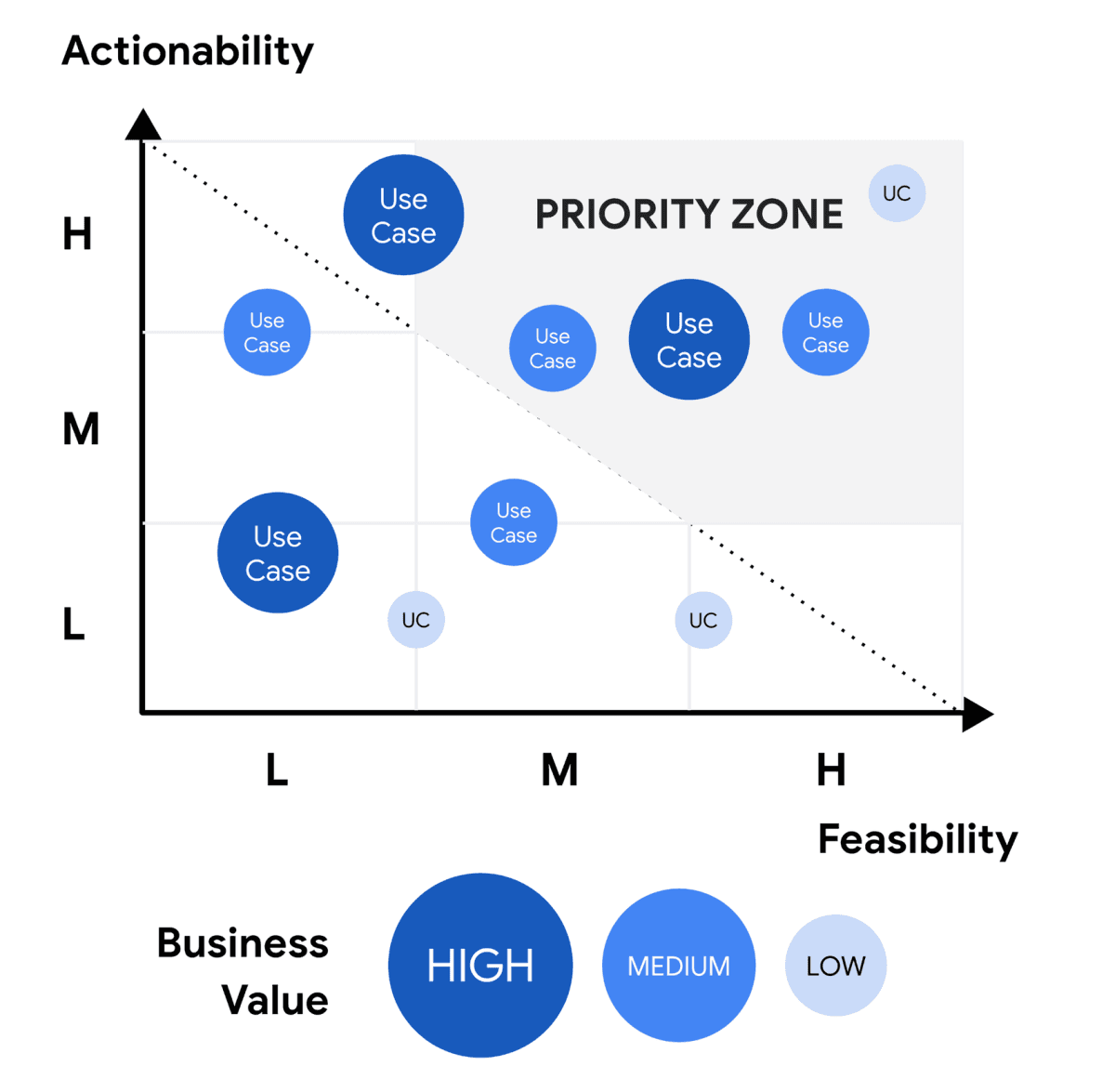
Nachdem die größten Stolpersteine wie veraltete Tools oder unklare Abläufe erkannt wurden, wandeln wir das Ganze in einen einfachen Aktionsplan um: Die einfachsten Dinge mit der größten Wirkung kommen zuerst! (Bildquelle: Google)
Wähle Projekte, die für schnelle Begeisterung sorgen
Die Projektauswahl ist am Ende eine strategische Entscheidung. Gerade am Anfang Deiner KI-Reise ist ein „Quick Win“ oft die beste Wahl: Also ein Projekt mit spürbarem Nutzen, das sich ganz leicht umsetzen lässt! Solche schnellen Erfolge schaffen großes Vertrauen, schweißen das Team zusammen und machen Mut für größere Schritte. Das bedeutet nicht, dass Du auf große, strategische Ziele verzichten sollst. Es bedeutet nur, dass Du sie in eine schlaue Reihenfolge bringst, damit Deine Organisation Schritt für Schritt lernen und wachsen kann.
Wenn Unternehmen ihre KI-Projekte mit System auswählen, fließt das Geld in die richtigen Kanäle, Prototypen werden zu dauerhaften Erfolgen und die Datenqualität verbessert sich fast von selbst. Mit der Zeit wird die Fähigkeit, die besten KI-Projekte auszuwählen, zu Deinem größten Wettbewerbsvorteil – denn sie entscheidet darüber, ob KI zu einem echten Motor für Deinen Erfolg wird oder nur ein nettes Experiment bleibt!
Über APEX Consulting
APEX Consulting hilft B2B-Unternehmen dabei, tolle KI-Automatisierungen, intelligente Abläufe und zukunftssichere Systeme einzuführen, die manuelle Arbeit verringern und für gesundes Wachstum sorgen. Wenn Du herausfinden möchtest, wie KI auch Dein Unternehmen beflügeln kann, buche jetzt Deinen kostenfreien Kennenlern-Termin mit unserem Team: https://calendly.com/apex-consulting-call/15min