
Ein fröhlicher Leitfaden zum Thema Künstliche Intelligenz für Agenturen und Unternehmer
Dieser Artikel ist ein einfacher und leicht verständlicher Leitfaden für Agenturen und Unternehmer, die ihre Abläufe super einfach mit KI automatisieren möchten.
Viele Agenturen und Dienstleister stehen heute vor denselben Herausforderungen: zu viele verschiedene Tools, jede Menge Handarbeit, doppelte Arbeitsschritte und viel zu wenig Zeit.
Gleichzeitig bieten KI und Automatisierung eine riesige Chance: endlich weniger Stress im Alltag, super klare Abläufe und viel mehr Zeit für die Dinge, die das Unternehmen wirklich voranbringen!
Aber bevor du dich voller Schwung ans „Automatisieren“ machst, gibt es eine wichtige Frage zu klären: Ist mein Unternehmen überhaupt schon bereit dafür?
Keine Sorge, das „Automation Readiness Framework“ hilft dir dabei! Es zeigt dir Schritt für Schritt, wie du deine aktuelle Situation ganz entspannt analysierst, Schwachstellen entdeckst, die wichtigsten Grundlagen aufbaust und Automatisierungen sicher und ohne Chaos einführst.
Schritt 1: Die Analyse
Im ersten Schritt schauen wir uns ganz ehrlich den aktuellen Stand der Agentur an – und zwar nicht aus technischer Sicht, sondern wie ihr als Team organisiert seid.
Viele Agenturen sind organisch gewachsen: Hier mal ein CRM-System (falls überhaupt vorhanden), da ein Google Drive-Ordner, jede Person speichert Dateien anders ab und neue Aufgaben flattern per WhatsApp rein oder bleiben im Kopf eines Mitarbeiters stecken. So entsteht schnell ein kleines Chaos, auf dem man nur schwer automatisieren kann.
Hier ist ein ganz einfaches Beispiel aus einer Marketing-Agentur: Ein neuer Interessent meldet sich über ein Formular auf der Website. Jetzt kopiert ein Teammitglied die Daten mühsam von Hand ins CRM, jemand anderes schreibt eine Begrüßungs-E-Mail und wieder eine andere Person legt eine Aufgabe im Projektmanagement-Tool an. Ganze drei Personen machen hier Arbeit, die ein einziger, sauberer Ablauf vollautomatisch erledigen könnte!
Bei der Analyse stellst du dir einfach typische Fragen wie:
Wo machen wir doppelte Arbeit?
Welche Aufgaben wiederholen sich jeden Tag?
Welche Tools nutzen wir und nutzt das Team sie auch richtig?
Wie wandern Informationen bei uns von A nach B?
Oft merkt man dabei schnell: Vieles lässt sich super automatisieren, aber das Fundament muss erst noch ein bisschen vorbereitet werden!
Schritt 2: Die entspannte Planung
Wenn du weißt, wo der Schuh am meisten drückt, machen wir daraus einen strukturierten Plan. Die größte Herausforderung ist hierbei nicht die Technik, sondern einfach die richtige Reihenfolge zu finden!
In Agenturen gibt es fast immer drei typische Baustellen:
Veraltete oder nicht verbundene Tools
Beispiel: Das CRM-System wird kaum gepflegt, weil wichtige Felder fehlen oder niemand genau weiß, wer dafür zuständig ist.Unklare oder nicht aufgeschriebene Abläufe
Beispiel: Jedes Mal, wenn ein neuer Kunde startet, läuft das Onboarding anders ab – je nachdem, wer es gerade macht.Wissenslücken im Team
Beispiel: Die Mitarbeiter wissen noch nicht genau, wie KI oder Automatisierungen funktionieren, und haben etwas Sorge, dass es zu kompliziert ist.
In dieser Phase entscheidest du ganz in Ruhe, was zuerst angepackt wird. Am besten startest du mit den Dingen, die dir den größten Nutzen bringen und gleichzeitig am einfachsten umzusetzen sind.
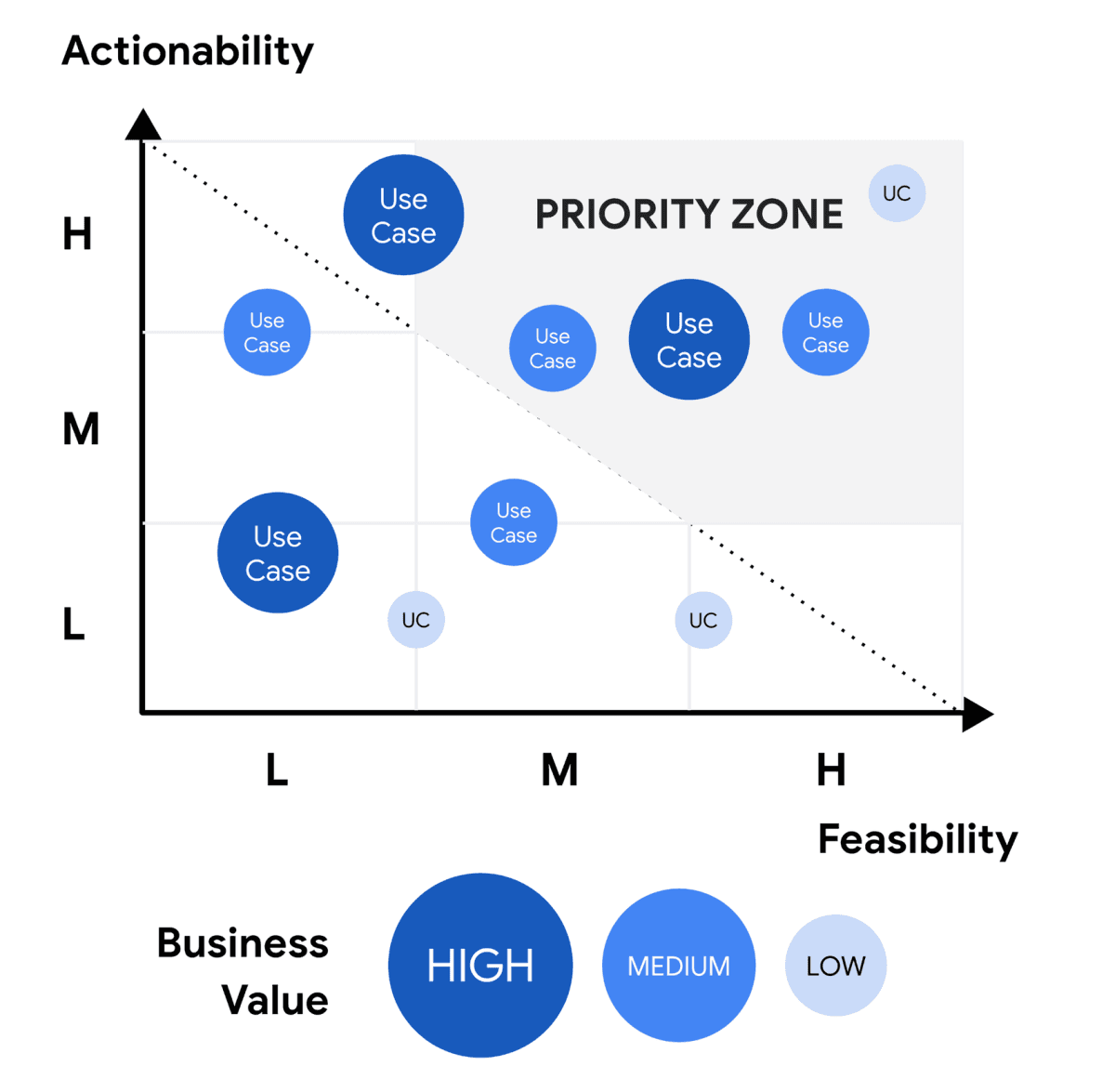
Eine einfache Matrix, um jede tolle Idee danach zu ordnen, wie viel Nutzen sie bringt und wie leicht sie sich umsetzen lässt. Quelle: Google
Ein realistischer und motivierender Plan für deine Agentur könnte so aussehen:
Das CRM-System einmal ordentlich aufräumen und vereinheitlichen
Einen festen Ablauf für das Kunden-Onboarding festlegen
Wiederkehrende Aufgaben im Alltag aufspüren
Das allererste kleine Automatisierungs-Projekt auswählen
Besonders wichtig ist, dass alle im Team verstehen, warum wir das machen. Wenn alle an Bord sind, macht das Ganze gleich viel mehr Spaß und wird ein voller Erfolg!
Schritt 3: Das Fundament bauen
Das ist der Schritt, den man von außen kaum sieht, der aber der absolute Schlüssel zum Erfolg ist!
Hier bereiten wir den Boden vor, auf dem deine Automatisierungen später wie geschmiert laufen.
Die wichtigsten Grundlagen sind:
Saubere und vollständige Daten
Wenn Kundendaten unvollständig sind oder überall verstreut herumliegen, kann auch die beste Automatisierung im Alltag nicht richtig arbeiten.Gleiche Arbeitsweisen für alle
Wenn zum Beispiel sechs Mitarbeiter sechs verschiedene Ordnerstrukturen nutzen, weiß am Ende weder ein Mensch noch eine KI, wo eine Datei hingehört.Zentrale Systeme statt Tool-Chaos
Lieber weniger Tools, die dafür aber richtig gut strukturiert sind!Einfache Dokumentation
Keine komplizierten Handbücher! Kurze Beschreibungen der wichtigsten Abläufe reichen völlig aus, damit jeder Bescheid weiß.
Ein schönes Beispiel: Eine Agentur möchte das Kunden-Onboarding automatisieren. Bevor es losgeht, braucht es aber erst eine einheitliche Angebotsvorlage, eine klare Ordnerstruktur und eine festgelegte Reihenfolge der Schritte.
Sobald das geschafft ist, macht das Automatisieren so richtig Spaß!
Schritt 4: Das erste Pilotprojekt
Jetzt wird es spannend! Das erste Automatisierungsprojekt sollte bewusst klein und leicht überschaubar sein.

Klein anfangen: Erste einfache KI-Anwendungen testen, kleine Abläufe automatisieren und schnelle, sichere Erfolge feiern!
Ein fantastisches erstes Projekt für eine Agentur ist zum Beispiel:
Die automatische Lead-Erfassung: Ein neuer Interessent trägt sich auf deiner Website ein, und sofort passiert Folgendes wie von Zauberhand:
Der Interessent wird automatisch im CRM angelegt
Wichtige Daten werden überprüft und ergänzt
Eine freundliche, persönliche E-Mail wird verschickt
Eine Aufgabe im Projektmanagement-Tool wird erstellt
Das zuständige Teammitglied bekommt eine schnelle Benachrichtigung
Statt fünf manuellen Schritten läuft alles vollkommen automatisch, fehlerfrei und blitzschnell ab – jedes einzelne Mal!
Ein tolles Pilotprojekt sollte:
eine spürbare Verbesserung im Alltag bringen
innerhalb weniger Wochen startklar sein
dem Team ein Lächeln ins Gesicht zaubern
sofort zeigen, wie viel wertvolle Zeit man durch Automatisierung spart
Sobald dieses erste Projekt läuft, wächst die Begeisterung im Team: „Wahnsinn, das funktioniert ja wirklich und erleichtert uns den Alltag total!“
Schritt 5: Erfolge vervielfachen (Skalieren)
Wenn die erste Automatisierung läuft, hat man natürlich Lust auf mehr! Hierbei ist es wichtig, Schritt für Schritt vorzugehen, damit kein neues Chaos entsteht. Skalieren bedeutet nicht, wild drauf los zu automatisieren, sondern schlaue Muster zu erkennen.
Typische Aufgaben in Agenturen, die sich super dafür eignen, sind zum Beispiel:
Social-Media-Beiträge verwalten
Neue Kunden-Projekte starten
Einfache Fragen im Kundenservice beantworten
Berichte und Reports erstellen
Social-Media-Redaktionspläne pflegen
Rechnungen schreiben und versenden
Zwischenstände an Kunden schicken
Kunden-Feedback einsammeln
Beim Skalieren machen wir aus eizellnen Lösungen einfach Vorlagen (Bausteine), die man immer wieder verwenden kann.
Ein einfaches Beispiel: Wenn das Onboarding für drei verschiedene Kunden automatisiert wurde, kannst du daraus ein universelles Vorlagen-Muster erstellen, das für jeden neuen Kunden mit wenigen Klicks angepasst wird.
Gleichzeitig nehmen wir das Team an die Hand und zeigen ihnen, wie sie ganz leicht selbst mit den neuen Tools arbeiten können.
So baust du eine Agentur auf, die absolut bereit ist, gesund und stressfrei zu wachsen!
Schritt 6: Laufende Optimierung
In dieser Phase ist Automatisierung kein neues Projekt mehr, sondern ein ganz natürlicher, fröhlicher Teil eures Alltags. Wir optimieren bestehende Abläufe, machen sie noch stabiler und einfacher zu pflegen.
Du erkennst ein perfekt optimiertes Agentursystem daran, dass:
Arbeitsschritte für jeden klar verständlich und wiederholbar sind
weniger Aufgaben ungesagt „in den Köpfen“ einzelner Personen festsitzen
das Team sich entspannt und entlastet fühlt statt gestresst
alle Daten ordentlich an ihrem Platz sind
Kunden ihre tollen Ergebnisse viel schneller erhalten
die Chefetage noch schneller und leichter Entscheidungen treffen kann
Optimierung bedeutet auch, ältere Automatisierungen einfach anzupassen, wenn sich dein Unternehmen weiterentwickelt. Eine clever automatisierte Agentur ist flexibel und lernt jeden Tag dazu!
Automatisierung ist keine reine Formsache für Technik-Spezialisten, sondern eine wunderbare Reise für das gesamte Unternehmen. Wer zuerst analysiert, dann ein stabiles Fundament baut und erst danach automatisiert, erschafft super verlässliche Abläufe und nutzt das volle Potenzial von KI mit einem großen Lächeln!
Möchtest du herausfinden, welche KI-Helferlein und automatischen Abläufe dein Unternehmen sofort entlasten können? Wir von APEX bieten dir eine komplett kostenfreie KI-Einschätzung an! Gemeinsam werfen wir einen Blick auf deine Prozesse und zeigen dir, wo KI dir sofort wertvolle Zeit, Kosten und Mühe sparen kann.
Über APEX Consulting
APEX Consulting ist eine fröhliche Beratung für KI-Automatisierung und Wachstum. Wir unterstützen B2B-Unternehmen mit intelligenten Abläufen, cleveren KI-Assistenten, CRM-Automatisierung und skalierbaren Systemen. Unser Fokus liegt auf einfachen, praktischen Lösungen, die sofort funktionieren, die tägliche Handarbeit verringern und dir beim entspannten Wachsen helfen!
Mehr Infos findest du hier: https://apex-consulting.ai/