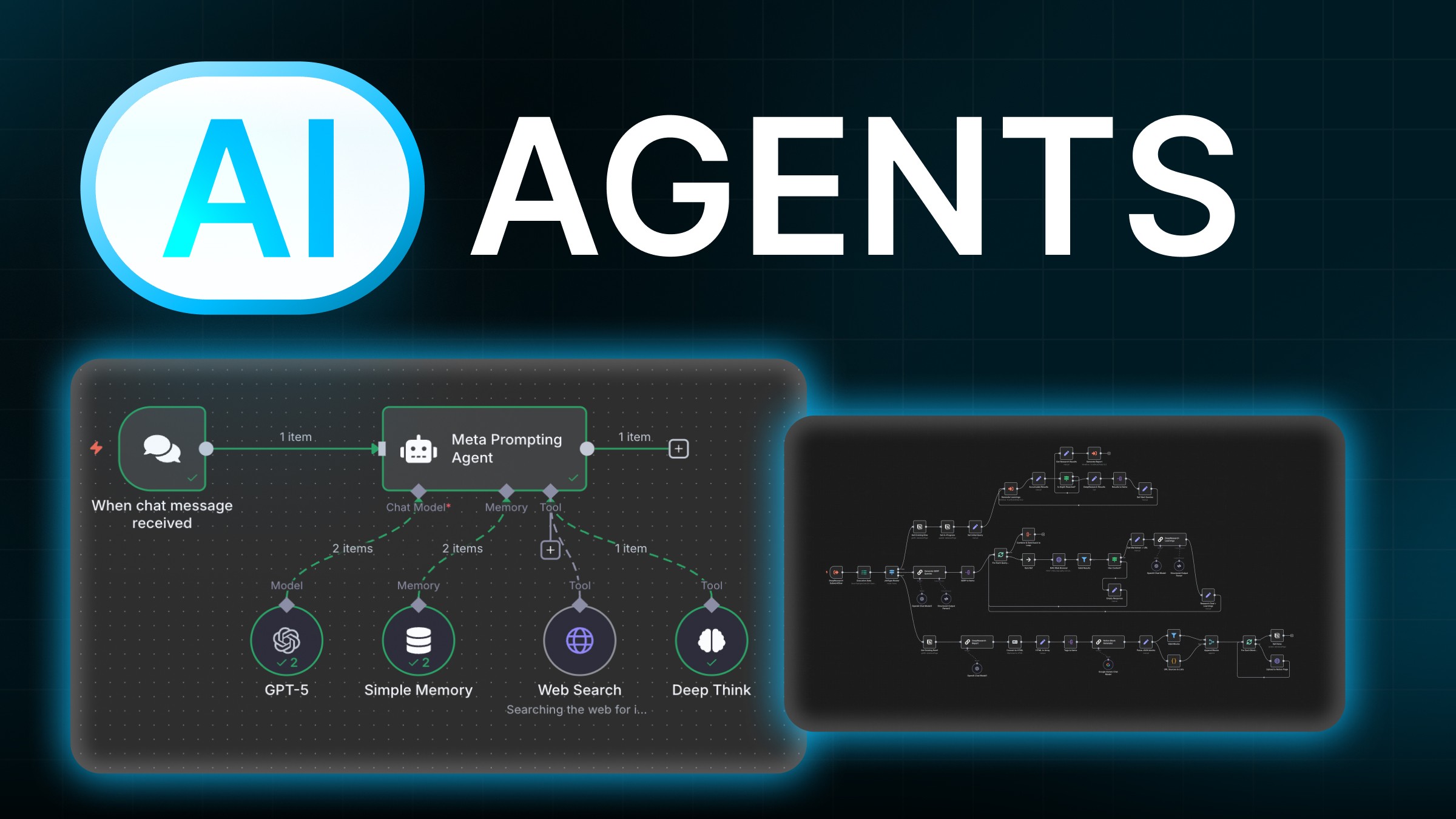

Verstehe den KI-Agenten in nur 5 Minuten!
KI-Agenten gelten als der nächste richtig große Schritt in der Entwicklung der künstlichen Intelligenz.
Aber was bedeutet das ganz genau für deine tägliche Arbeit und dein Unternehmen? Vor allem, wenn du schon super gerne und regelmäßig mit KI-Tools wie ChatGPT arbeitest?
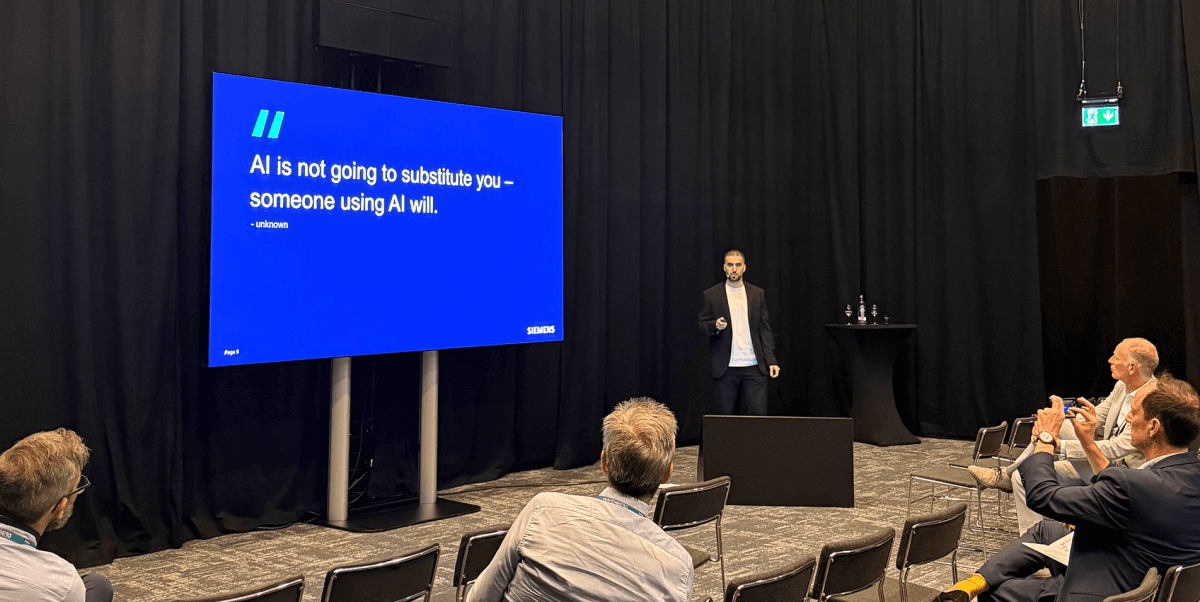
Mein Vortrag über KI-Agenten bei Siemens in Amsterdam.
Um zu verstehen, warum KI-Agenten so genial sind, hilft ein Blick auf drei spannende Entwicklungsstufen:
Große Sprachmodelle (LLMs)
KI-Workflows und schließlich…
KI-Agenten!
Jede Stufe baut auf der vorherigen auf und hilft dir, komplexe Aufgaben mit viel weniger Aufwand zu lösen.
Viele Profis nutzen bereits ChatGPT, Claude oder Perplexity im Job. Trotz dieser tollen Helfer bleibt die eigentliche Arbeit oft gleich: ständiges Prompten, manuelles Nachbessern, Kopieren und Einfügen zwischen Tools, mühsame Recherche und eintönige Routineaufgaben. Die KI hilft zwar, nimmt dir die Arbeit aber nicht komplett ab. Die Tools sind zwar superschnell, arbeiten aber nicht wirklich eigenständig.
Das führt zu einem immer größeren Problem:
Du gewinnst Minuten, aber keine Stunden.
Du bekommst Unterstützung, aber keine echte Entlastung.
Du baust immer mehr kleine Übergangslösungen, aber keinen echten, ganzheitlichen digitalen Mitarbeiter.
Und je mehr Aufgaben du an verschiedene KI-Tools verteilst, desto mehr Zeit verbringst du damit, Ergebnisse zu korrigieren, Abläufe neu zu überdenken und Workflows anzupassen. Das Tempo steigt, aber die Effizienz bleibt auf der Strecke.
Die Lösung für dieses Problem sind KI-Agenten! Sie sind die nächste Evolutionsstufe: Systeme, die dir nicht nur Antworten geben, sondern selbstständig planen, Tools steuern, Entscheidungen treffen und so lange an einer Aufgabe feilen, bis das Ergebnis perfekt ist.
KI-Agenten funktionieren nicht einfach wie eine bessere Version von ChatGPT, sondern wie ein digitaler Mitarbeiter, der Probleme versteht und sie ganz von alleine löst.
Stufe 1: Große Sprachmodelle (LLMs) – der Startpunkt
Große Sprachmodelle (LLMs) wie GPT, Claude oder Gemini bilden das Fundament. Sie schreiben Texte, beantworten Fragen und erstellen kreative Inhalte. Sie sind schnell, vielseitig und schon jetzt aus vielen Bereichen nicht mehr wegzudenken.
Aber sie haben auch klare Grenzen:
Sie können Tools nicht eigenständig bedienen.
Sie liefern nicht immer die gleiche Qualität.
Sie sind passiv und brauchen jedes Mal eine Eingabe von dir.
Ein Beispiel: Ein Sprachmodell kann zwar eine E-Mail schreiben, aber nicht selbstständig einen Termin in deinem Kalender eintragen. Es kann Daten analysieren, aber keine Datenbanken öffnen. Das bedeutet: LLMs sind zwar nützlich, können aber nicht selbst handeln.
Das nehmen wir mit: LLMs reagieren immer nur. Sie arbeiten erst, wenn du ihnen sagst, was sie tun sollen.
Stufe 2: KI-Workflows – effiziente Automatisierung mit festen Regeln
KI-Workflows erweitern Sprachmodelle, indem sie ihnen Zugriff auf Tools und vorgegebene Prozesse geben. Plattformen wie n8n, Zapier oder Make verbinden Kalender, E-Mails, Google Sheets, Notion und Schnittstellen (APIs) und automatisieren so ganze Abläufe.
Beispiel:
Neue E-Mails werden automatisch an ein Sprachmodell weitergeleitet.
Das Modell analysiert den Inhalt.
Der Workflow trägt Termine im Kalender ein oder erstellt Notizen.
Aber auch diese Systeme stoßen an ihre Grenzen:
Workflows folgen immer starr dem gleichen, festgelegten Pfad.
Wenn das Ergebnis mal nicht passt, musst du den Prompt selbst anpassen.
Wird ein neues Tool gebraucht, musst du es manuell hinzufügen.
Workflows sind zwar super praktisch, aber starr. Sie können nicht selbst entscheiden, wie ein Problem am besten gelöst wird.
Das nehmen wir mit: Workflows automatisieren Prozesse, aber sie denken nicht mit. Sie kopieren deinen Ablauf, optimieren ihn aber nicht von selbst.
Stufe 3: KI-Agenten – digitale Mitarbeiter statt einfacher Werkzeuge
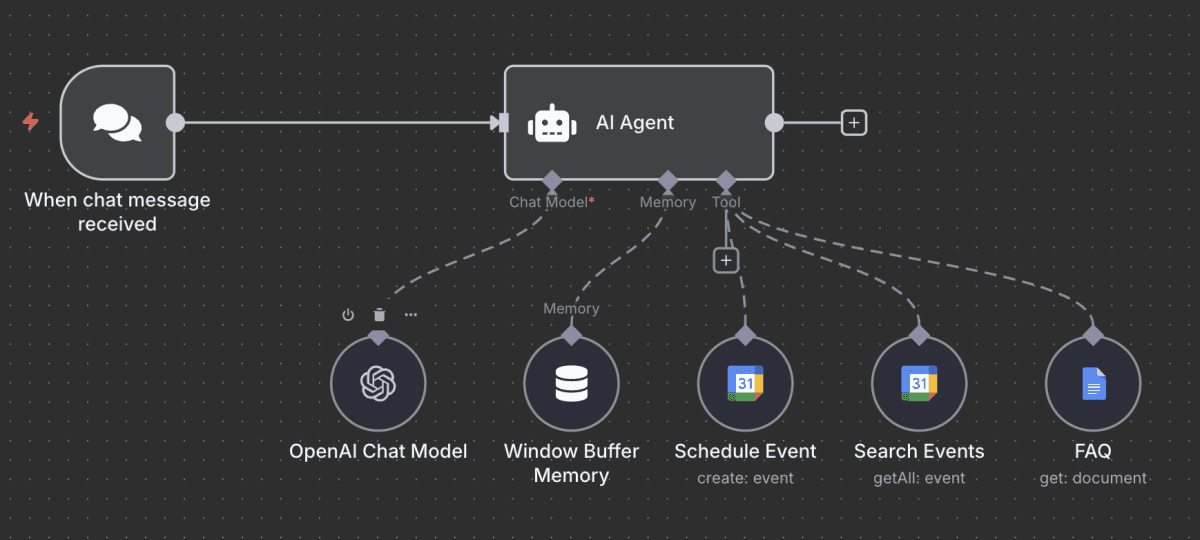
Beispiel für einen Chatbot-KI-Agenten, den du ganz leicht auf deiner Website einbauen kannst. Interessenten können direkt über den Chat Termine mit deinem Team buchen. Der Agent holt sich sein Wissen aus einem Dokument, das genau auf dein Unternehmen abgestimmt ist und alle wichtigen Fragen und Antworten enthält.
Der magische Sprung passiert, wenn ein Sprachmodell nicht mehr nur Text ausgibt, sondern zwei super Fähigkeiten dazubekommt:
Planung: Der Agent entscheidet ganz von alleine, welche Teilschritte nötig sind.
Beispiel: Er entscheidet selbst, ob er einen Link, ein PDF oder die reine Website benötigt.Tool-Auswahl und Nutzung: Der Agent wählt selbstständig das richtige Modell, die passende Schnittstelle oder das beste Werkzeug aus.
Das bedeutet: Der Agent ersetzt nicht nur den Ablauf an sich, sondern auch den Menschen, der diesen Ablauf erst mühsam aufbauen musste!
Was ein Agent eigentlich genau macht
Ein Agent kann:
selbst entscheiden, wie er eine Aufgabe anpackt
eigenständig Werkzeuge auswählen
Fehler erkennen und direkt ausbessern
so oft nachbessern, bis das Ergebnis stimmt
alternative Lösungswege ausprobieren
bei Bedarf weitere Modelle dazuholen
interne Workflows dynamisch anpassen
Kurz gesagt: Ein KI-Agent baut sich seinen eigenen Arbeitsablauf einfach in Echtzeit! Er ist flexibel, dynamisch, lernfähig und passt sich super an.
Ein tolles Beispiel: Claude Code
Claude kann eine App programmieren, indem er:
zuerst einen klugen Plan aufstellt,
dann passende Schnittstellen recherchiert,
den Code schreibt,
ihn auf Fehler testet,
und den Code Schritt für Schritt immer weiter verbessert.
Und das alles ohne starren Ablaufplan! Das logische Denken passiert direkt im Agenten.
Das nehmen wir mit: Ein KI-Agent löst Aufgaben völlig selbstständig. Er fragt nicht „Was soll ich tun?“, sondern „Wie löse ich dieses Problem am allerbesten?“
Warum Agenten echte Game-Changer für deine Produktivität sind
Sie brauchen viel weniger Kontrolle durch uns Menschen
Statt tonnenweise Prompts zu schreiben, beschreibst du dem Agenten einfach dein Ziel. Er übernimmt sowohl die Strategie als auch die Umsetzung für dich!
Sie sparen unheimlich viel Zeit im Vergleich zu LLMs und einfachen Workflows
Wo Sprachmodelle Minuten und Workflows Stunden sparen, schenken dir Agenten ganze Tage! Das lästige, manuelle Nachbessern fällt nämlich komplett weg.
Sie vervielfachen deine Arbeitskraft
Ein Agent kann gleichzeitig recherchieren, analysieren, erstellen und verbessern. Das ist nicht nur produktiv – das ist echte Hebelwirkung!
Sie übernehmen komplexe Fachaufgaben für dich
Agenten können ganz leicht:
Marktanalysen erstellen
Berichte automatisch optimieren
Code schreiben und Fehler beheben
Inhalte erstellen und Korrektur lesen
Kundenanfragen beantworten
Daten automatisch miteinander verknüpfen
Systeme im Blick behalten
Und das eben nicht nach starren Regeln, sondern als clevere und flexible Problemlöser.
Praktische Erkenntnisse für deinen Alltag
Wenn du regelmäßig Prompts schreibst, nutzt du LLMs.
Wenn du immer wiederkehrende Abläufe hast, nutzt du Workflows.
Wenn du komplexe Aufgaben komplett abgeben willst uns dich zurücklehnen möchtest, brauchst du Agenten!
Je mehr Entscheidungen getroffen werden müssen, desto genialer sind Agenten.
Agenten ersetzen keine Tools, sie verbinden sie intelligent miteinander.
Agenten verhalten sich wie digitale Mitarbeiter, nicht wie einfache KI-Zusatzfunktionen.
Die Entwicklung geht von der reinen Texterstellung über strukturierte Automatisierung hin zu selbstständigen Problemlösern. KI-Agenten sind der Punkt, an dem KI nicht mehr nur hilft, sondern echte Verantwortung übernimmt.
Wer schon heute KI-Tools nutzt, steht kurz vor dem nächsten spannenden Schritt: dem produktiven Arbeiten mit Agenten. Systemen, die planen, handeln, entscheiden und sich selbst verbessern!
Möchtest du herausfinden, welche Agenten, Workflows oder Automatisierungen dein Unternehmen sofort effizienter machen können? Dann hol dir unsere kostenlose KI-Bewertung bei APEX! Gemeinsam schauen wir uns deine aktuellen Abläufe an und finden heraus, wo KI-Agenten dir sofort Zeit, Geld und wertvolle Nerven sparen können.
Über APEX Consulting
APEX Consulting ist eine tolle Beratung für KI-Automatisierung und Wachstum. Wir unterstützen B2B-Unternehmen mit intelligenten Workflows, KI-Agenten, CRM-Automatisierung und skalierbaren Betriebssystemen. Dabei konzentrieren wir uns auf praktische Lösungen zur direkten Umsetzung, die manuelle Arbeit verringern und gesundes Wachstum ermöglichen.
Mehr Infos findest du hier: https://apex-consulting.ai/