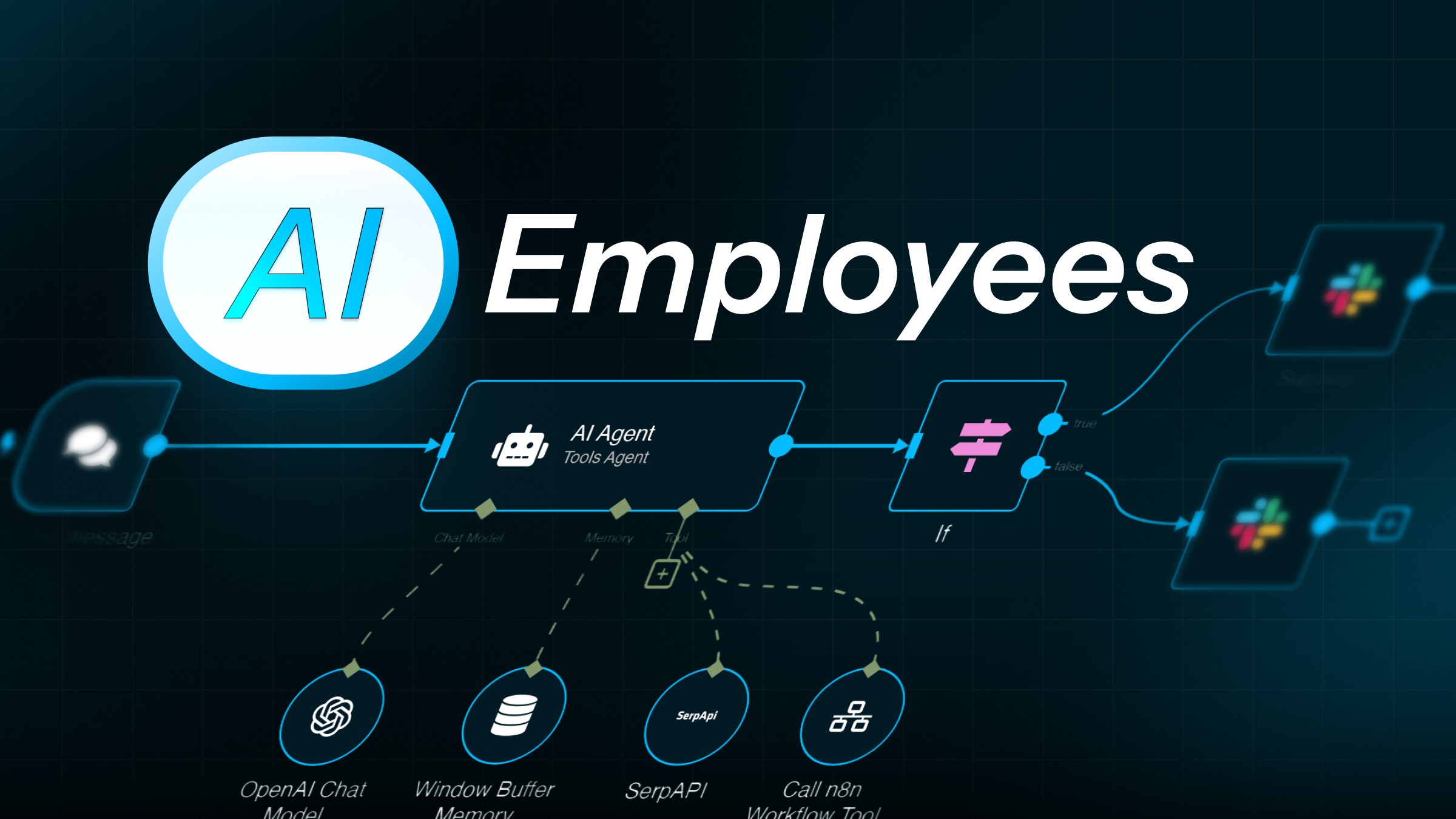

KI-Mitarbeiter für Agenturen sind ein absolutes Must-have!
In vielen Unternehmen ist der Personalmangel heutzutage eines der allergrößten Probleme.
Gute Mitarbeiter zu finden, kostet jede Menge Zeit, Geld und oft auch starke Nerven.
Gleichzeitig wachsen die Anforderungen an Effizienz, Qualität und Schnelligkeit. Aber während viele Betriebe krampfhaft versuchen, immer mehr Personal einzustellen, gehen die wirklich erfolgreichen Firmen einen anderen, cleveren Weg:
Sie senken ihren Personalbedarf einfach durch Digitalisierung und künstliche Intelligenz (KI)!
Im Kern geht es gar nicht darum, Menschen zu ersetzen. Vielmehr wollen wir Prozesse schlauer gestalten, lästige Routineaufgaben automatisieren und Ressourcen strategisch sinnvoll nutzen. So können sich eure Mitarbeiter endlich wieder auf die Aufgaben konzentrieren, die echten Wert bringen – während Systeme und KI-Agenten den Rest wie von Zauberhand erledigen!
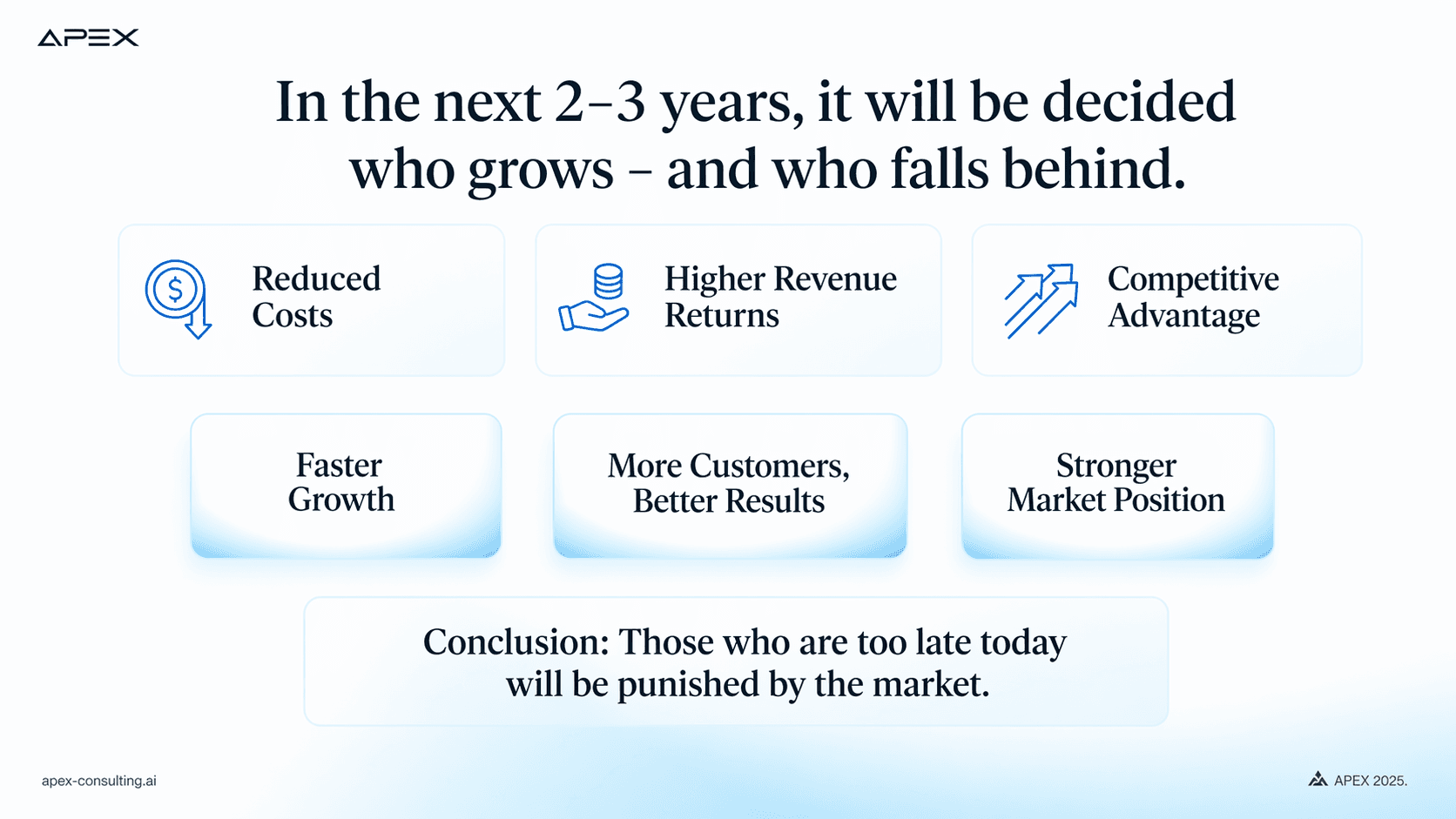
In den kommenden Jahren entscheidet sich, wer mithilfe von KI kinderleicht skaliert und wer auf der Stelle tritt. Unternehmen, die jetzt automatisieren, senken ihre Kosten, steigern ihre Margen und sichern sich einen riesigen Wettbewerbsvorteil. Wer zögert, verliert Marktanteile – denn Effizienz wird schon bald der neue Standard sein!
Lasst uns mal gemeinsam anschauen, wie das Ganze genau funktioniert.
Der Ausgangspunkt: Zu viel Mühe, zu wenig Wirkung
Statt weiter auf anstrengende manuelle Prozesse, ein riesiges Tool-Chaos oder zufällige Anfragen zu setzen, bauen moderne Unternehmen heute ein perfekt integriertes System auf. Dieses automatisiert und steuert die internen Abläufe ganz effizient und gibt euch die volle Kontrolle über euer Alltagsgeschäft zurück – damit ihr wieder entspannt AM Unternehmen arbeiten könnt und nicht mehr ständig IM Unternehmen gefangen seid.
Die Frage ist also nicht, OB ihr automatisiert, sondern wie lange ihr es euch noch leisten könnt, es nicht zu tun!
Sichert euch jetzt euer Erstgespräch und erfahrt, wie ihr KI-Mitarbeiter super effizient einsetzt!
Denn der größte Hebel liegt in der Effizienz: Jeder einzelne Euro, den ihr durch Digitalisierung, Automatisierung oder smarte Prozesse spart, wandert direkt als Reingewinn in eure Tasche!
Während ihr vielleicht 1 Million € Umsatz braucht, um am Ende 150.000 € Gewinn zu machen, könnt ihr denselben Gewinneffekt erzielen, indem ihr nur eine einzige Vollzeitstelle (mit rund 50.000 € Gehalt) durch Automatisierung ersetzt oder entlastet. Das hat genau dieselbe Wirkung, als würdet ihr euren Umsatz um satte 30 % steigern – und das ganz ohne einen einzigen neuen Kunden gewinnen zu müssen!
Und das Beste daran: Die Ersparnisse durch Automatisierung bleiben euch dauerhaft erhalten! Im Gegensatz zu teuren Marketingkampagnen, die jeden Monat aufs Neue Geld kosten, arbeitet ein einmal eingerichtetes System rund um die Uhr, fehlerfrei und wächst einfach mit euch mit.
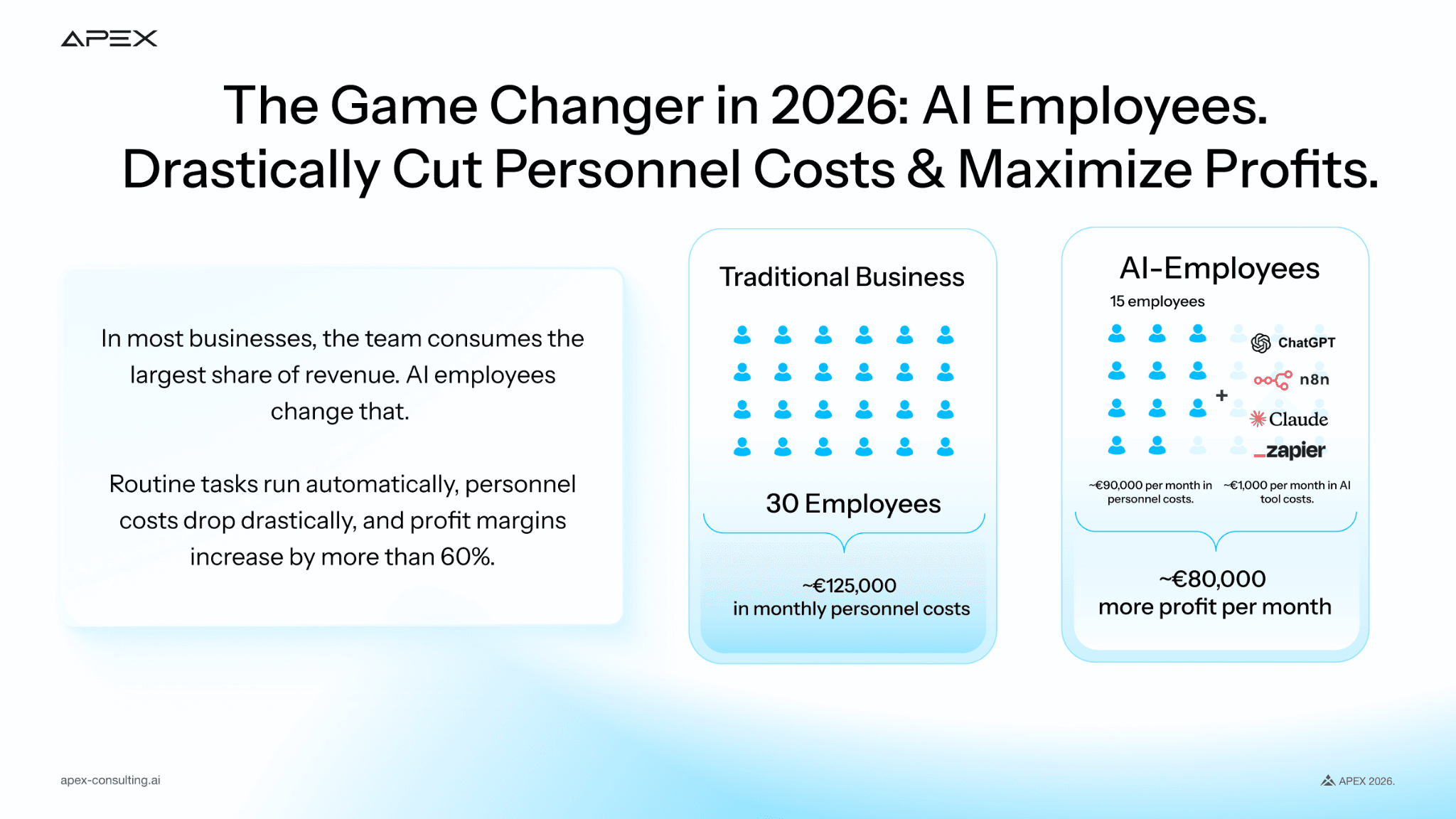
Während klassische Agenturen einen riesigen Teil ihres Umsatzes für Personal ausgeben, erledigen KI-Mitarbeiter Routineaufgaben jetzt vollautomatisch. Das Ergebnis: Niedrigere Fixkosten, höhere Margen und eine spielend leichte Skalierung!
Prozessautomatisierung: Wenn die Routinearbeit wie von selbst verschwindet
Den größten Hebel findet man fast immer bei den sich ständig wiederholenden Aufgaben. Das sind all die Dinge, die jeden Tag erledigt werden müssen, aber eigentlich überhaupt keine kreative Denkarbeit erfordern.
Typische Beispiele dafür:
Ein Kunde füllt ein Formular auf eurer Website aus – und ein Mitarbeiter tippt die Daten mühsam von Hand ins CRM-System ein.
Ein neuer Kollege startet im Team – und alle anderen verbringen dutzende Stunden damit, diese Person einzuarbeiten.
Eine Rechnung wird erstellt – und jemand muss sie extra manuell als PDF verschicken.
Ein Interessant meldet sich auf LinkedIn – und ein Mitarbeiter schickt ihm eine ganz normale Standard-Nachricht.
Ihr nehmt schnell ein Video mit dem Handy auf – und euer Mitarbeiter braucht Tage, bis das Video endlich online und auf allen Kanälen geteilt ist.
Solche Aufgaben rauben wertvolle Zeit, sind anfällig für Fehler und halten eure Mitarbeiter von den wirklich wichtigen Projekten ab.
Mit modernen Automatisierungs-Tools wie n8n, Make oder Zapier lassen sich diese Prozesse in wenigen Stunden ganz einfach digitalisieren:
Neue Anfrage auf der Website: Wird sofort automatisch im CRM (z. B. Pipedrive oder HubSpot) angelegt, eine Benachrichtigung geht an Slack und der Interessent bekommt direkt eine nette Bestätigung per E-Mail.
Neuer Mitarbeiter: Der neue Teamkollege wird sofort auf eine schlaue, KI-gestützte Lernplattform eingeladen, auf der alle Trainingsmaterialien schon bereitstehen.
Neue Bestellung: Die Rechnung wird automatisch in Lexoffice erstellt, die Buchhaltung bekommt Bescheid und die Kundendaten landen sicher in Google Drive.
Social-Media-Lead: Sobald jemand auf eine LinkedIn-Kampagne reagiert, werden die Daten automatisch überprüft, in die CRM-Pipeline eingetragen und von einer KI vorab qualifiziert.
Social-Media-Beiträge: Sobald ihr oder eure Mitarbeiter Fotos und Videos in einen Ordner hochladet, werden sie automatisch geplant, gepostet und auf allen Plattformen verteilt.
Was früher Stunden gedauert hat, läuft jetzt in Sekundenschnelle ab – absolut zuverlässig, transparent und unendlich skalierbar!
Der tolle Effekt: Ein Unternehmen mit nur 6 bis 8 Mitarbeitern kann dank gezielter Prozessautomatisierung genau die gleiche Leistung erbringen wie ein Team von 13 bis 15 Leuten!
Ganz ohne zusätzliche Gehälter, größere Büros oder komplizierte Verwaltung.
Kreative Prozesse: Die KI als toller Ideengeber, nicht als Ersatz
Ein häufiges Missverständnis ist: „KI ersetzt die kreative Arbeit.“ In Wahrheit beflügelt sie diese erst so richtig!
Mit generativer KI – also Systemen, die neue Inhalte erstellen können – wird Kreativität messbar produktiver. Mit genialen Tools wie ChatGPT, Midjourney, Runway oder ElevenLabs lassen sich Texte, Bilder, Videos, Musik und Stimmen im Handumdrehen erzeugen. Das ändert nichts am kreativen Anspruch, erhöht aber das Tempo der Ideenfindung enorm!
Stellt euch vor, ihr müsstet nie wieder selbst Podcasts einsprechen oder Schulungsvideos aufnehmen, weil euer eigener KI-Avatar das für euch übernimmt. Klingt nach Zukunftsmusik? Nicht bei uns!
Ein weiteres Beispiel aus dem Marketing: Ein Team möchte zehn verschiedene Werbeideen für eine neue Kampagne testen. Früher bedeutete das drei Tage lang Brainstorming, Entwürfe zeichnen und endlose Abstimmungen.
Heute wirft euch eine KI in nur 10 Minuten einen Pool aus 50 kreativen Vorschlägen aus – komplett mit passenden Bildern, Überschriften und packenden Hooks! Ihr müsst dann nur noch die besten Ideen auswählen, verfeinern und die finale Entscheidung treffen.
Beispiel aus dem Produktdesign: Ein Unternehmen kann KI nutzen, um automatisch Designdesign-Varianten zu erstellen – wie Websites, Logos oder komplette Farbkonzepte. Die KI liefert die Ideen, der Designer sucht sich die schönsten aus.
Beispiel aus der Texterstellung: Ein Blogartikel wird aus einfachen Notizen und Stichpunkten automatisch vorgeschrieben. Der Redakteur passt nur noch den Ton an, fügt Fakten hinzu und veröffentlicht das Ganze.
Das herrlich einfache Ergebnis: Ein einziger Mitarbeiter schafft die Arbeit von 4 bis 5 Personen! Ganz ohne Qualitätsverlust, dafür aber mit riesiger Freude und Leichtigkeit.
Der Mensch wird hierbei vom reinen Ausführer zum kreativen Regisseur!
Analysieren & Entscheiden: KI als cleverer Denk-Verstärker
Neben der Routinearbeit gibt es viele analytische Aufgaben im Alltag, die richtig viel Zeit fressen: Berichte für Kunden erstellen, Zahlen vergleichen und Ergebnisse interpretieren. Aber genau das kann eine KI viel schneller, fehlerfrei und rund um die Uhr erledigen!
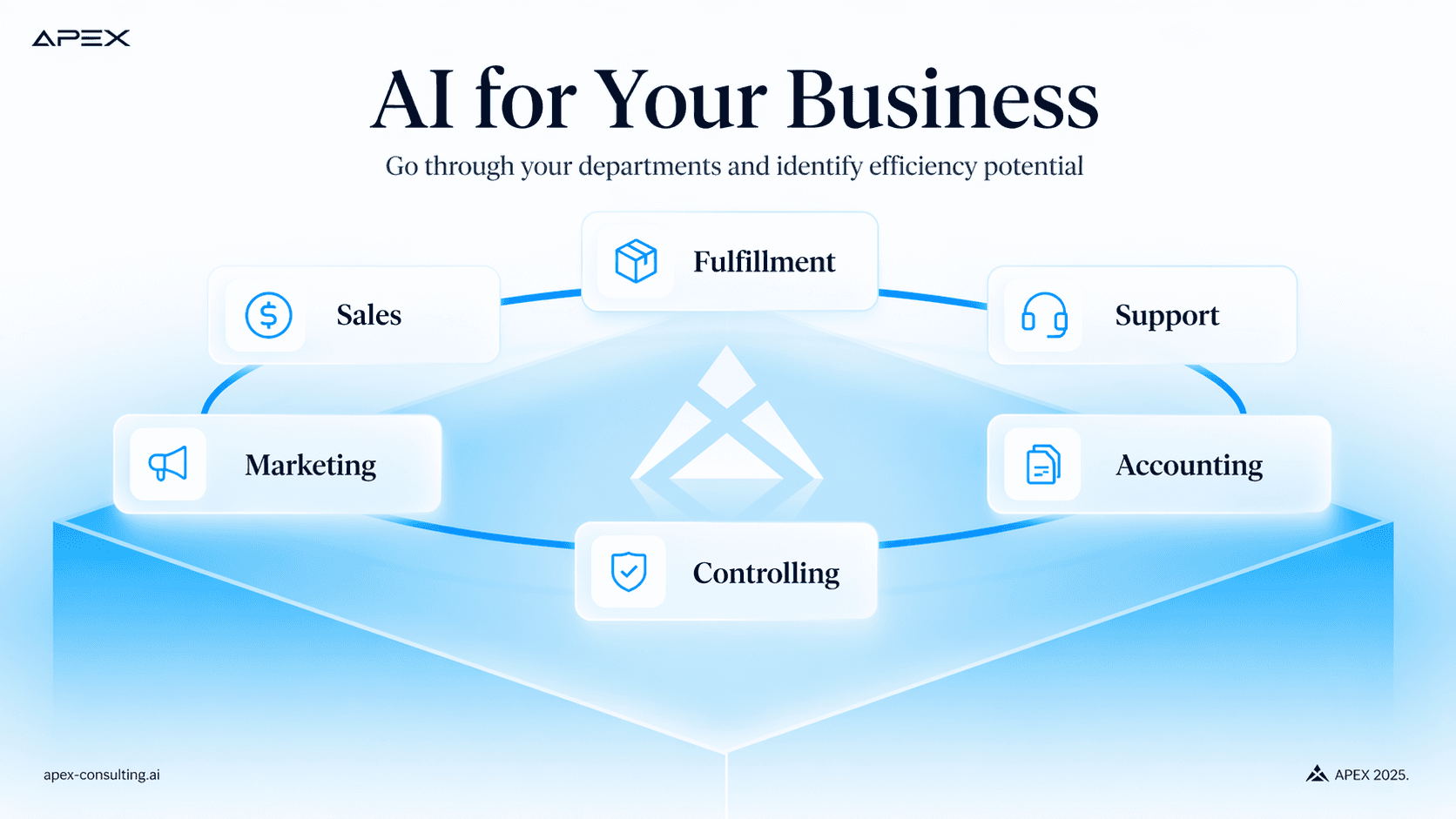
Vom Marketing und Vertrieb bis zur Projektabwicklung: KI-Mitarbeiter automatisieren eure Routineaufgaben, senken die Kosten und steigern die Produktivität im gesamten Unternehmen!
Hier sind ein paar konkrete Beispiele:
Vertriebs-Analyse: Eine KI liest alle CRM-Daten ein, erkennt Muster im Kaufverhalten und erstellt automatisch Berichte über eure profitabelsten Kundengruppen.
Marketing-Analyse: Statt fünf Plattformen mühsam von Hand zu prüfen, fasst ein KI-Agent die Daten von Meta Ads, Google Ads und LinkedIn zusammen und wertet die Kampagnen nach euren wichtigsten Kennzahlen aus.
Personalwesen (HR): Die KI filtert Bewerbungen vor, vergleicht Lebensläufe mit dem Jobprofil und liefert eine übersichtliche Shortlist – ganz ohne Vorurteile.
Servicequalität: KI analysiert das Feedback eurer Kunden, erkennt sofort wiederkehrende Wünsche oder Probleme und liefert euch direkte Verbesserungsvorschläge.
Moderne Systeme können Daten aber nicht nur analysieren, sondern euch auch direkt schlaue Empfehlungen geben:
„Basierend auf den letzten 30 Tagen solltest du Kampagne B pausieren, da sie 40 % höhere Kosten pro Lead verursacht als Kampagne A.“
So wird die KI zu eurem persönlichen Assistenz-Analysten, der die Fakten perfekt vorbereitet, während ihr entspannt die strategische Richtung vorgebt.
Agenten-Action: KI-Agenten als eure neuen digitalen Mitarbeiter
Das wohl spannendste Thema überhaupt sind sogenannte „KI-Agenten“ – also schlaue Systeme, die eigenständig handeln und Aufgaben für euch erledigen können!
Ein KI-Agent ist im Grunde wie ein digitaler Mitarbeiter, der Zugriff auf eure Tools, das Internet, den Kalender, euer CRM oder E-Mails hat. Er kann:
Termine vereinbaren
E-Mails verfassen
Informationen recherchieren
Dateien bearbeiten
Entscheidungen vorbereiten oder sogar direkt treffen
Und das alles ohne Kaffeepausen, ohne Urlaub, ohne Krankheitstage und mit einer lückenlosen Dokumentation!
Ein praktisches Beispiel: Ein Agent bearbeitet ganz allein 100 eingehende Kundenanfragen pro Tag:
Er erkennt sofort das Thema der Anfrage.
Er prüft, ob der Kunde schon im CRM angelegt ist.
Er schreibt eine super persönliche, nette Antwort.
Er schlägt direkt einen freien Termin im Kalender des Vertriebsteams vor.
Er erstellt eine kurze Zusammenfassung im CRM.
Bisher brauchte man dafür zwei Vollzeitkräfte – heute erledigt das ein einziger KI-Agent in Echtzeit!
Und es wird noch besser: Mehrere Agenten können wunderbar Hand in Hand arbeiten. Ein Agent prüft neue Leads, der zweite erstellt passende Angebote und der dritte verschickt die E-Mails.
Das ist keine Zukunftsmusik mehr – das ist schon heute Realität!
Der Mensch bleibt unverzichtbar (mit einer neuen, tollen Rolle!)
Bei all den coolen technologischen Möglichkeiten dürfen wir eines nicht vergessen: Der Mensch bleibt immer das kreative und strategische Herzstück!
KI nimmt uns jede Menge Arbeit ab, aber sie ersetzt niemals eure Intuition, eure jahrelange Erfahrung und das wichtige menschliche Gespür. Der Unterschied liegt einfach darin, wohin wir unsere Energie lenken.
Früher: 80 % nervige Routine, 20 % Strategie.
Heute: 10 % entspannte Kontrolle, 90 % kreative und strategische Arbeit!
Ein schönes Praxisbeispiel: Ein mittelständisches Beratungsunternehmen automatisiert die Erstellung von Angeboten und Rechnungen. Die Geschäftsführung spart dadurch 15 Stunden pro Woche und nutzt diese freie Zeit nun voller Energie für die Produktentwicklung und neue Kunden.
Das klingt fast schon zu einfach, um wahr zu sein – aber das Ergebnis sind mehr Umsatz, deutlich weniger Stress und ein rundum glücklicheres Team!
Der wirtschaftliche Effekt: Effizienz als euer Gewinn-Turbo
Automatisierung ist nicht nur ein trockenes IT-Thema – sie ist ein echter Gewinnbringer!
Nehmen wir ein echtes Rechenbeispiel: Ein Dienstleistungsunternehmen hat 20 Mitarbeiter, wovon 5 im administrativen Bereich arbeiten (Verwaltung, Backoffice, Kommunikation). Durch clevere Automatisierungen – wie automatische Rechnungen, KI-Lead-Qualifizierung und digitales Projektmanagement – wird die Arbeitslast so stark verringert, dass 2 dieser Stellen bei Fluktuation gar nicht neu besetzt werden müssen.
Ersparnis: ca. 120.000 € pro Jahr
Investition in KI & Automatisierung: ca. 35.000 €
Das bedeutet einen genialen Gewinn im allersten Jahr – und dauerhafte, wiederkehrende Ersparnisse in der Zukunft!
Anders gesagt: Durch Automatisierung macht ihr aus laufenden Kosten einmaligen, echten Fortschritt!
Der Startschuss: Wie ihr ganz einfach in eurem Unternehmen loslegt
Viele Gründer und Unternehmer wissen zwar, dass sie digitalisieren müssen – aber oft fehlt der richtige Anfang.
Hier ist ein super einfacher und bewährter Leitfaden für euch:
Bestandsaufnahme: Schreibt einfach mal alle Aufgaben auf, die sich wiederholen und mehr als 15 Minuten am Tag kosten.
Bewertung: Prüft, welche dieser Aufgaben festen Regeln folgen (z. B. „Wenn Anfrage reinkommt, dann schicke Antwort X“).
Pilot-Prozess wählen: Automatisiert als Allererstes genau EINE dieser Aufgaben, zum Beispiel die Angebotserstellung oder Lead-Benachrichtigungen.
Messen: Schaut euch an, wie viel Zeit ihr spart und wie reibungslos das Ganze läuft.
Ausbauen: Übertragt die erfolgreichen Automatisierungen einfach auf andere Bereiche wie Vertrieb, Support, Marketing oder Buchhaltung.
Und ich verspreche euch: Ihr werdet schnell merken, dass ihr für euer Wachstum gar nicht mehr Mitarbeiter braucht – sondern einfach nur bessere Systeme!
Die Zukunft gehört den digitalen Vorreitern
Digitalisierung und KI sind heute kein Luxus mehr, sondern die absolute Grundlage, um wettbewerbsfähig zu bleiben.
Wer seine Prozesse digitalisiert, verbessert nicht nur die Effizienz, sondern auch den Spaß an der Arbeit! Fehlerquoten sinken, alles läuft viel schneller, die Mitarbeiter sind entspannter und ihr gewinnt wertvolle Zeit für die schönen Dinge zurück: neue Strategien, tolle Innovationen und eure allerliebsten Kunden.
Unternehmen, die jetzt handeln, sichern sich einen Vorsprung, der in ein bis zwei Jahren kaum noch einzuholen sein wird.
Denn heute lassen sich selbst anspruchsvolle Aufgaben wunderbar über digitale Workflows oder KI-Agenten lösen. Es ist alles nur eine Frage der Umsetzung!
Und je früher ihr startet, desto schöner ist der Effekt: Mehr Klarheit, mehr Kontrolle, mehr Gewinn – und ein entspannter Personalbedarf bei gleichzeitig steigendem Erfolg!
Sichert euch jetzt euer Erstgespräch und lernt, wie ihr KI-Mitarbeiter im Handumdrehen erfolgreich einsetzt!
Über APEX Consulting
APEX Consulting ist euer Partner für KI-Automatisierung und Wachstum. Wir unterstützen B2B-Unternehmen mit intelligenten Workflows, cleveren KI-Agenten, CRM-Automatisierung und skalierbaren Betriebssystemen. Dabei setzen wir voll auf anwendungsorientierte, praktische Lösungen, die euch manuelle Arbeit abnehmen und nachhaltiges Wachstum ermöglichen.
Erfahrt mehr unter: https://apex-consulting.ai/