

Risiken bei KI-Projekten im Unternehmen minimieren? Das klappt am besten mit einem Proof of Concept!
KI-Initiativen scheitern meistens daran, dass Unsicherheiten unterschätzt werden. Selbst wenn ein Problem echt ist und der Nutzen auf der Hand liegt, ist der Weg von der Idee zum fertigen System voller Unbekannten: Bieten die Daten überhaupt genug Infos? Schafft das Modell die gewünschte Leistung? Werden die Kollegen den Ergebnissen vertrauen? Und was kostet das Ganze im laufenden Betrieb? Anders als bei normaler Software, wo man vorher alles genau planen kann, lernen KI-Projekte direkt aus Daten. Und dieses Lernen bringt Überraschungen mit sich, die man mit Planung allein nicht lösen kann.
Genau deshalb ist ein Proof of Concept (PoC) im KI-Bereich so unglaublich wichtig geworden! Ein clever gestalteter PoC ist kein bloßes Spielzeug und auch keine reine Marketing-Show. Es ist ein echtes, strukturiertes Experiment, das Ihnen schnell und einfach zeigt, ob sich eine KI-Idee wirklich lohnt. So sparen Sie sich teure Fehlschläge, weil die wichtigsten Fragen geklärt werden, bevor Sie viel Geld in die Hand nehmen.
Ein Proof of Concept ist zwar keine Garantie für Erfolg – aber er tut etwas viel Besseres: Er verwandelt Unsicherheit in echte Beweise!
Warum ein Proof of Concept bei KI so super wichtig ist
Bei KI-Projekten gibt es oft Unsicherheiten in drei Bereichen, die man vorher nur schwer einschätzen kann:
technische Unsicherheit.
wirtschaftliche Unsicherheit.
organisatorische Unsicherheit.
Ein Proof of Concept packt alle drei Punkte an! Er testet die Machbarkeit, sammelt tolles Feedback von echten Nutzern und hilft bei der realistischen Planung. Wenn er richtig gemacht wird, beantwortet er genau die Frage, die für Chefs am wichtigsten ist: Lohnt es sich, diese Idee groß aufzuziehen, und was brauchen wir dafür?
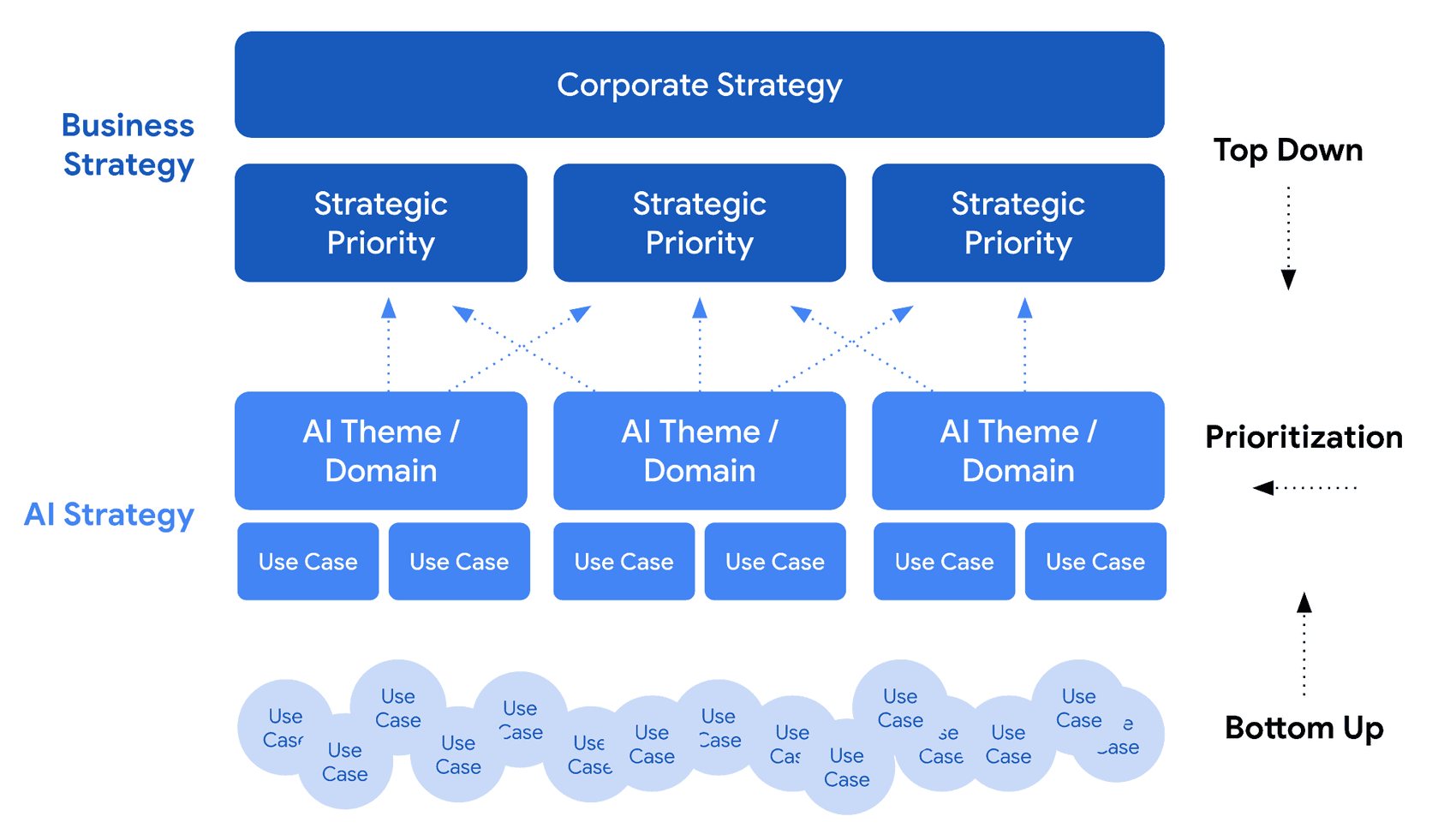
Sobald Sie Ihre Geschäftsziele für KI-Anwendungen parat haben, ist der Proof of Concept ganz einfach: Ein Problem, eine These, 30 bis 90 Tage Zeit (Bildquelle: Google).
Wie Sie Geschäftsziele ganz leicht auf KI-Anwendungen übertragen
Die drei tollen Ergebnisse eines Proof of Concept
Ein erfolgreicher PoC liefert Ihnen drei ganz konkrete Ergebnisse, die weit über das bloße Bauen eines Systems hinausgehen.
Erstens zeigt er, ob KI überhaupt der beste Weg ist. KI ist zwar super stark, aber nicht immer die beste Lösung. Manchmal reichen einfachere Regeln, optimierte Abläufe oder klassische Datenanalysen völlig aus und sind viel unkomplizierter. Ein PoC bewahrt Sie davor, KI dort einzusetzen, wo sie gar nicht gebraucht wird!
Zweitens bekommen Sie schon früh wertvolles Feedback von Ihren Kollegen. Wenn das Team, das später damit arbeiten soll, den PoC testet, merken Sie sofort, was nützlich ist, was Sinn macht und was unbedingt beachtet werden muss. Das sorgt für Begeisterung im Team und hilft, das Design frühzeitig anzupassen – und das ist zu diesem Zeitpunkt noch super günstig!
Drittens hilft er bei der Planung für den Ernstfall. Ein PoC zeigt Ihnen genau, was Sie für den echten Betrieb brauchen: Datenpipelines, Systemanbindungen, Infrastruktur, Überwachung, Wartung, Sicherheit und Richtlinien. So ersetzen Sie vage Vermutungen durch eine felsenfeste Planung für Zeit und Budget.

Sie brauchen kein perfektes Ergebnis, sondern ein echtes! Setzen Sie sich ein Ziel, definieren Sie Ihre Kennzahlen, nehmen Sie sich 30 bis 90 Tage Zeit – und lassen Sie das Ergebnis für sich sprechen. Erfolg bringt Vertrauen, und Fehler bringen neues Wissen. So oder so müssen Sie nicht mehr raten!
Ihr praktischer Fahrplan: 10 Bausteine für einen überzeugenden Proof of Concept
Unternehmen, die das Beste aus ihren PoCs herausholen, behandeln sie wie gut strukturierte Projekte und nicht wie lose Experimente. Hier ist ein einfacher Plan mit zehn wichtigen Elementen:
1) Das Problem. Beschreiben Sie genau, wo der Schuh drückt oder welchen Mehrwert Sie schaffen wollen. Werden Sie konkret! Ein allgemeiner Wunsch wie „die Qualität verbessern“ reicht nicht aus – wählen Sie einen ganz bestimmten Prozess.
2) Die These (Hypothese). Formulieren Sie klar, was die KI verbessern soll und warum. Das muss kein Fachchinesisch sein! Bei der automatischen Auswertung von Dokumenten könnte die These zum Beispiel lauten: Ein KI-Modell kann wichtige Infos aus Angeboten so schnell herausfiltern, dass Mitarbeiter weniger manuell prüfen müssen und mehr Zeit für die Betreuung von Kunden haben.
3) Der Umfang (Scope). Halten Sie den Rahmen des PoC bewusst klein. Es geht darum, die Kernfrage zu beantworten, und nicht darum, direkt das ganze System fertigzubauen.
4) Die Erfolgsfaktoren. Legen Sie fest, wann der PoC als „gut genug“ gilt. Dazu gehören geschäftliche Ziele (wie Zeitersparnis) und technische Werte (wie die Genauigkeit der KI). Bleiben Sie dabei realistisch und gehen Sie Schritt für Schritt vor!
5) Die Daten. Finden Sie heraus, welche Daten Sie brauchen, wie viele es sein müssen und wer sie vorsortiert. Bei vielen KI-Projekten ist das Vorsortieren (Labeling) der Knackpunkt. Bei einer Bilderkennung für Fehler an Bauteilen braucht man zum Beispiel viele Bilder, auf denen die Fehler bereits deutlich markiert sind.
6) Methode und Tools. Entscheiden Sie, wie Sie vorgehen wollen. Oft ist es am schnellsten und einfachsten, mit einem bereits fertigen Dienst oder einem vortrainierten Modell zu starten!
7) Die Infrastruktur. Planen Sie, wie viel Rechenleistung und Speicher Sie für den PoC und später für den echten Betrieb brauchen. Cloud-Dienste können Ihnen hier viel Arbeit abnehmen!
8) Die Ergebnisse. Ein PoC sollte mehr liefern als nur ein Modell. Typischerweise gehören dazu ein sauberer Code, eine einfache Dokumentation, ein klarer Bericht über Ergebnisse und Grenzen sowie Tipps für die nächsten Schritte. Eine einfache Benutzeroberfläche hilft den Beteiligten, die KI selbst auszuprobieren.
9) Das Team. Bringen Sie die richtigen Leute zusammen: Jemanden für die KI-Modelle, jemanden für die Datenpflege, einen Experten aus der Praxis für das jeweilige Thema und jemanden, der alles koordiniert und im Blick behält.
10) Der Zeitplan. Halten Sie den PoC kurz und knackig, um den Schwung nicht zu verlieren, aber lang genug für echte Ergebnisse. Viele erfolgreiche PoCs dauern nur wenige Wochen statt Monate – genau das macht sie so effektiv!
Dieser Plan sorgt für eine tolle Sache: Klarheit! Anstatt nur theoretisch über KI zu sprechen, testen Teams ganz praktisch eine konkrete Idee.
Ein PoC ist dann wertvoll, wenn er zu einer Entscheidung führt. Liegen die Ergebnisse vor, können Sie ganz einfach entscheiden, wie es weitergeht: weitermachen, anpassen oder aufhören.
Wenn der Nutzen nur minimal ist oder einfachere Wege dasselbe schaffen, ist es schlauer, die Energie in ein anderes Projekt zu stecken. Ein Projekt zu stoppen ist kein Misserfolg, sondern eine kluge Entscheidung!
Die Ergebnisse zeigen Ihnen ganz realistisch, wie gut die KI im Alltag funktionieren wird und ob Sie noch mehr Daten brauchen. Zudem sehen Sie schnell, ob fertige KI-Tools ausreichen oder ob Sie etwas Eigenes entwickeln sollten – so finden Sie die perfekte Balance aus Geschwindigkeit und Kontrolle.
Und zu guter Letzt zeigt Ihnen ein PoC die echten Kosten für den späteren Betrieb (wie Wartung und Überwachung). Mit diesem Wissen können Sie und Ihre Führungskräfte ganz entspannt und sicher entscheiden, wie es weitergeht!
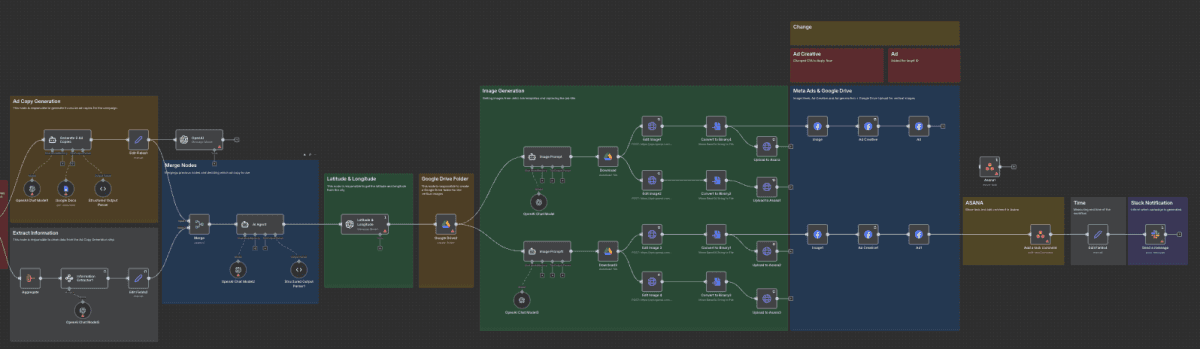
Diese Grafik zeigt ein fertiges, automatisiertes System in n8n. Bei einem PoC für so ein Projekt würde man zuerst nur ein einziges Teil testen – zum Beispiel, ob die KI aus einem Briefing zuverlässig Werbetexte erstellen kann –, bevor man das gesamte System darum herum aufbaut.
Der große Vorteil von gut gemachten Proof of Concepts
Unternehmen, die PoCs als strukturierte Experimente nutzen, lernen unglaublich viel dazu! Sie bauen wertvolles Wissen auf: Sie lernen, Probleme richtig anzupacken, Daten vorzubereiten, Kollegen früh einzubinden und den Echtbetrieb clever zu planen. Das nimmt Berührungsängste und ersetzt vage Versprechungen durch echte Fakten!
Die besten KI-Projekte zeichnen sich nicht durch die schiere Menge an Experimenten aus, sondern durch die Qualität der Entscheidungen danach. Ein mit Freude geplanter und ehrlich bewerteter PoC ist genau das Werkzeug, das Ihnen diese Entscheidungen spielend leicht macht!
Über APEX Consulting
APEX Consulting hilft B2B-Unternehmen dabei, KI-Automatisierungen, intelligente Abläufe und skalierbare Systeme einzuführen, die manuelle Arbeit verringern und für nachhaltiges Wachstum sorgen. Wenn Sie wissen möchten, wie KI in Ihrem Unternehmen aussehen könnte, buchen Sie doch einfach ein kostenloses Gespräch mit unserem freundlichen Team: https://calendly.com/apex-consulting-call/15min