
Der KI-Realitätscheck für 2026
"Sind KI-Automatisierungen oder digitale KI-Mitarbeiter in 2 bis 3 Jahren überhaupt noch wichtig?" Diese tolle Frage hören wir bei unserem Team momentan super oft!
Sie kommt von Agenturinhabern, Beratern, kreativen Gründern und kleinen bis mittleren Unternehmen (KMU), die sich bei dem rasanten Tempo neuer KI-Modelle manchmal etwas unsicher fühlen.
Und diese Unsicherheit ist auch total verständlich: Fast jeden Tag tauchen neue, spannende Tools auf, und in den sozialen Medien sieht es so aus, als könnte man mit nur einem einzigen Satz komplette Arbeitsabläufe erstellen. Da fühlt es sich erst einmal clever an, abzuwarten.
Aber genau dieses Abwarten ist das größte Abenteuer-Risiko!
Wer nämlich jetzt schon loslegt, baut nicht nur praktische Automatisierungen auf, sondern sammelt auch wertvolle Erfahrungen. Und diese Erfahrung kann keine KI der Welt einfach so ersetzen! Sie entsteht ganz spielerisch beim Arbeiten mit echten Systemen, beim Lösen von echten Aufgaben, beim Erkennen von Mustern und ja – auch beim Lernen aus Fehlern.
Die Falle des Rückwärtsplanens
Viele Menschen versuchen, von einer fernen Zukunft aus rückwärts zu planen. Sie stellen sich dann Fragen wie:
Was ist, wenn das nächste KI-Modell das Programmieren komplett übernimmt?
Was ist, wenn digitale Helferlein n8n-Workflows ganz von alleine bauen?
Was ist, wenn Designprozesse fast vollständig automatisch ablaufen?
Diese Gedanken klingen logisch, können uns aber ganz schön ausbremsen! Wenn wir zu weit in die Zukunft schauen, kommen wir immer zum selben Ergebnis: Irgendwann kann die KI sowieso alles.
Warum also heute schon Zeit und Energie investieren?
Aber diese Denkweise vergisst das echte Leben! Agenturen und Unternehmen brauchen genau jetzt tolle Lösungen und keine theoretischen Zukunftsgeschichten.
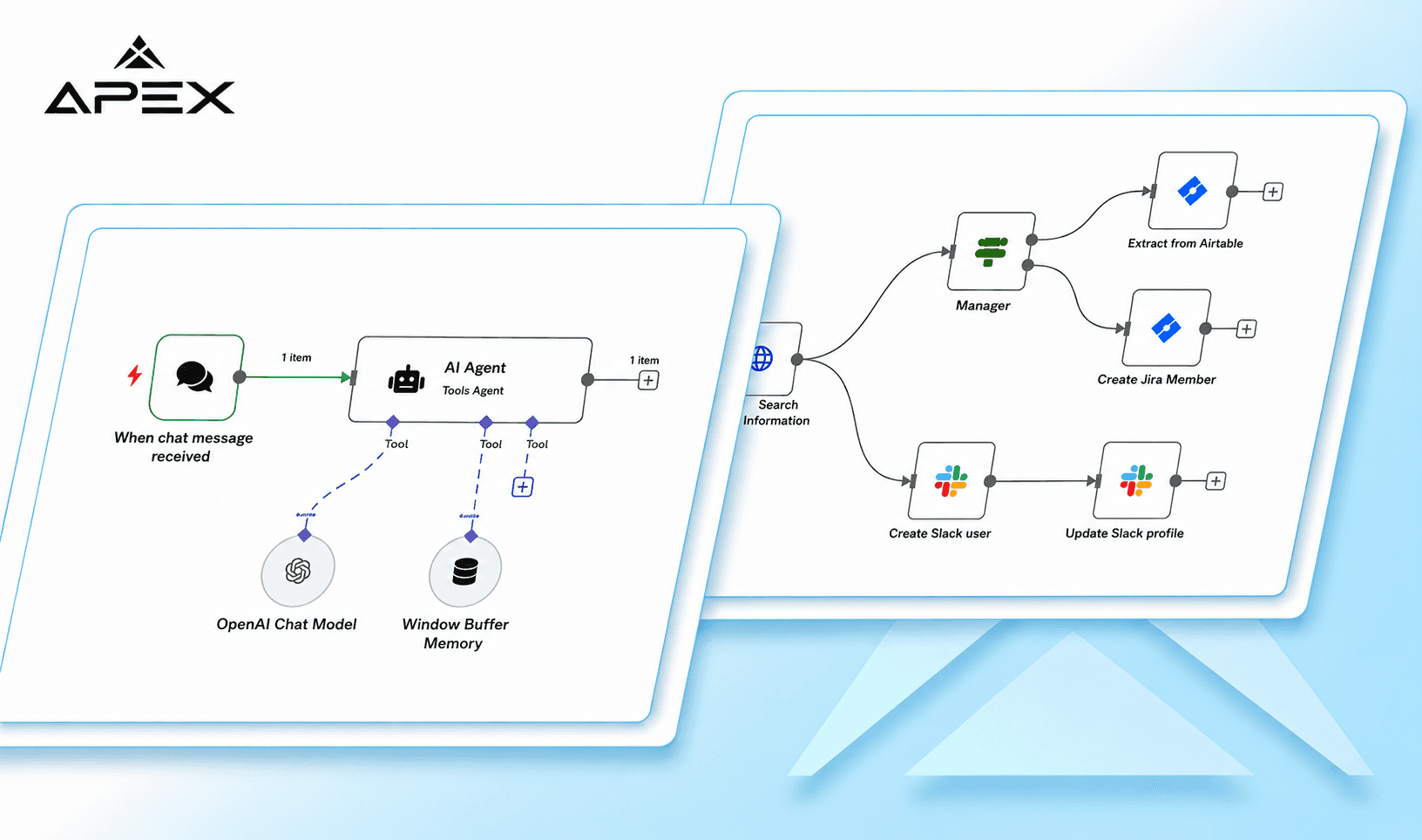
Mit dem superleichten Low-Code-Tool n8n sparen unsere Kunden schon heute Beträge im sechsstelligen Bereich! Gleichzeitig klettern ihre Gewinnmargen auf über 50 Prozent, weil clever automatisierte Abläufe alles beschleunigen und die Abhängigkeit von hohen Personalkosten spürbar senken.
Die Lücke zwischen Technik und Alltag
Während im Internet eifrig über die Superkräfte von GPT-7 gemunkelt wird, kämpfen die meisten Unternehmen noch mit den Grundlagen von vor zwei oder drei Jahren. Vielen fehlen automatisierte Angebote, ein zuverlässiges Nachfassen bei Neukunden, eine automatische Kundenpost oder eine ordentliche Datenpflege.
Oft wissen sie gar nicht, welche großartigen KI-Tools es gibt oder wie man sie sicher und einfach nutzt.
Die Kluft zwischen Theorie und Praxis ist riesig – und genau in dieser Lücke warten die allergrößten Chancen auf dich!
Die KI entwickelt sich gemütlicher als gedacht
Vor zwei Jahren dachten alle, dass GPT-5 oder GPT-6 uns den Großteil der täglichen Arbeit abnehmen würden. In der Praxis sehen wir aber vor allem tolle Verbesserungen an bestehenden Systemen. Die Modelle arbeiten genauer, stabiler und verstehen Zusammenhänge besser, aber sie brauchen immer noch Struktur, liebevolle Anleitung und clevere Prozesse, um richtig zuverlässig zu laufen.
Das Versprechen, mit nur einem einzigen Befehl komplette Abläufe zu zaubern, stimmt in der Realität nur halb. Selbst wenn der erste Entwurf steht, hapert es im Alltag meist an drei einfachen Dingen:
der Auswahl der wirklich passenden Prozesse
der richtigen Übersetzung des Vorhabens in klare KI-Befehle (Prompts)
dem Umgang mit den kleinen Ausnahmen, die im täglichen Leben nun mal passieren
Diese kleinen Ausnahmen sind der Grund, warum viele "Ein-Klick-Lösungen" in der Werbung super aussehen, im echten Geschäftsalltag aber ins Stolpern geraten.
Und genau hier zeigt sich der Unterschied zwischen einem einfachen Tool und echtem Praxis-Know-how!
Warum echtes Fachwissen den Unterschied macht
Das ist so ähnlich wie mit Facebook-Werbung oder Google-Optimierung: Theoretisch könnte das jedes Unternehmen selbst machen. Trotzdem holen sich die meisten lieber Profis ins Boot. Nicht weil sie es nicht könnten, sondern weil es Zeit spart, Fehler vermeidet und einfach professioneller aussieht.
Genau dieselbe spannende Entwicklung erleben wir jetzt bei der KI-Automatisierung! Ein gut funktionierendes System besteht nicht nur aus einem Befehl oder einem bunten Schaubild. Es ist das unsichtbare, starke Fundament darunter: Fehlerabsicherungen, gute Datenqualität, die Verknüpfung verschiedener Programme, Sicherheit und gründliches Testen.
Unternehmen kaufen nicht einfach nur ein Tool. Sie kaufen das gute Gefühl, dass ein Experte ihnen ein stabiles und verlässliches System baut.
Fortschritt entsteht durchs Machen!
Die spannende Frage ist also nicht, wo die Technik in zwei Jahren steht. Die Frage ist: Wie viel wertvollen Vorsprung verpassen Unternehmen und Agenturen, wenn sie nicht heute schon spielerisch starten?
Als erste Agentur im deutschsprachigen Raum haben wir für eine der bekanntesten Personalvermittlungen der Branche die komplette Anzeigenschaltung auf Meta automatisiert! Keine riskanten Experimente, sondern ein glasklar entwickeltes, stabiles System, das zeigt: Innovation entsteht nicht durch Zufall, sondern durch echtes Handwerk.
Wer jetzt startet, baut nicht nur praktische Abläufe, sondern sammelt auch unbezahlbare Erfahrungen. Und diese Erfahrung kann keine KI der Welt einfach so kopieren. Sie wächst, während man mit echten Systemen arbeitet, echte Aufgaben löst und aus kleinen Fehlern lernt.
Dieses Wissen kann man nicht abkürzen, selbst wenn in zwei Jahren ein neues Modell erscheint. Es ist das Fundament, das den echten Experten vom reinen Nutzer unterscheidet.
Warum sich frühes Handeln langfristig auszahlt
Selbst wenn sich die Tools grundlegend verändern, bleibt der Vorteil der Pioniere bestehen. Sie verstehen die logische Denkweise hinter Automatisierungen, kennen die typischen Stolpersteine und wissen, wie man Systeme richtig stabil macht. Dieser Vorsprung wächst mit jedem Projekt und lässt sich durch kein neues KI-Modell der Welt einfach so einholen!
Darum ist Warten auch so schade: Es bedeutet keinen Stillstand, sondern dass man den Anschluss verliert, während andere glücklich lernen, testen, umsetzen und ihre Prozesse verbessern.
KMU, die heute in ki-gestützte Abläufe investieren, senken ihre Kosten, machen die Arbeit leichter und sind in zwei Jahren genau da, wo die Konkurrenz erst anfängt zu verstehen, was überhaupt möglich ist. Agenturen, die jetzt KI-Wissen aufbauen, sichern sich tolle neue Angebote und wachsen viel entspannter!
Das Heute entscheidet, nicht das Morgen
Der größte Irrtum in der aktuellen KI-Diskussion ist der Glaube, dass nur die ferne Zukunft zählt. In Wirklichkeit zählt aber das Hier und Jetzt! Unternehmen zahlen für Lösungen, die ihre Probleme heute lösen, und nicht für Prognosen über Modelle, die vielleicht in fünf Jahren kommen.
Wer die Möglichkeiten von heute nutzt, versteht die Chancen von morgen viel besser, kann sie schneller anwenden und damit erfolgreich sein.
Wer wartet, muss später nicht nur die neuen Tools lernen, sondern auch die überlebenswichtigen Grundlagen, die andere längst im Schlaf beherrschen.
Abwarten bringt uns nicht weiter
Abwarten war noch nie ein Erfolgsrezept – mutiges Handeln dagegen fast immer! Es macht viel mehr Spaß und Sinn, mit den tollen Möglichkeiten von heute zu starten, anstatt sich von einer hypothetischen Zukunft verunsichern zu lassen.
Die Unternehmen und Agenturen, die jetzt loslegen, sichern sich einen riesigen Vorsprung, der sich über Jahre hinweg auszahlt. Sie lernen, wie man Prozesse strukturiert, Modelle richtig einbindet und Systeme baut, die im echten Leben glänzen.
Die Frage sollte also nicht lauten: "Ist KI-Automatisierung in zwei Jahren noch aktuell?", sondern vielmehr: "Wie viel Vorsprung verliere ich, wenn ich jetzt zwei Jahre lang däumchendrehend warte?"
Die Antwort darauf ist kinderleicht – und lädt dich herzlich dazu ein, heute noch durchzustarten!
👉 Buche hier dein kostenfreies KI-Gespräch
Über APEX Consulting
APEX Consulting ist eine fröhliche und tatkräftige Beratung für KI-Automatisierung und Unternehmenswachstum. Wir helfen B2B-Unternehmen mit intelligenten Arbeitsabläufen, praktischen KI-Helfern (Agenten), automatisierter Kundenpflege (CRM) und skalierbaren Systemen. Unser Fokus liegt auf echten, machbaren Lösungen, die manuelle Arbeit verringern und gesundes Wachstum möglich machen.
Mehr Infos gibt es hier: https://apex-consulting.ai/